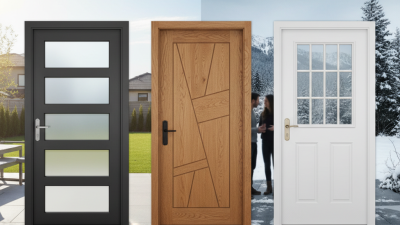
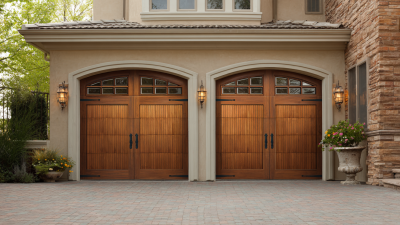
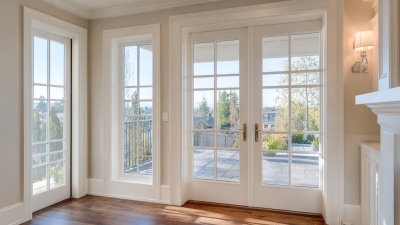
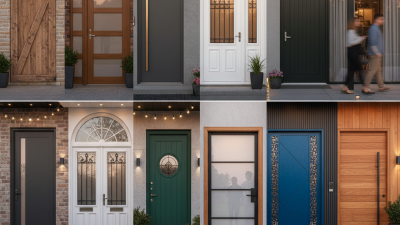
Top China Best Residential Doors for Global Buyers?
In a rapidly evolving housing market, selecting the right residential doors is crucial for homeowners and builders alike. China has emerged as a key player in manufacturing high-quality residential doors. These products combine aesthetics, durability, and security, making them appealing to a global audience.
The demand for residential doors is not just about functionality. Buyers seek doors that reflect their personal style and harmonize with their home design. Features such as energy efficiency, weather resistance, and innovative locking systems are becoming standard expectations. Chinese manufacturers are adapting to these needs, ensuring that their offerings meet international standards. However, navigating the vast options can be challenging.
While many buyers are drawn to the affordability of these doors, it's essential to consider quality. Not all products are created equal. Some may lack the promised durability or aesthetic appeal. Therefore, doing thorough research is vital. This journey into the world of residential doors can reveal surprising insights, showcasing both the strengths and weaknesses of what’s on offer in China’s diverse market.

Best Residential Door Materials Used in China
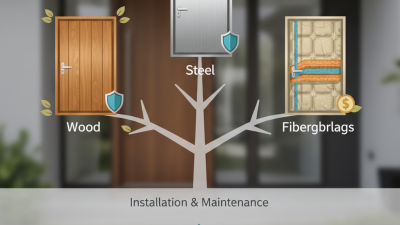
When exploring the best residential door materials in China, wood remains a classic choice. It offers natural beauty and excellent insulation. Reports indicate that solid wood doors account for about 40% of the market. However, they can warp over time and require maintenance. A careful selection is essential for durability.
Steel doors have gained popularity due to their strength and security features. They typically have a lower thermal performance compared to wood. Approximately 35% of buyers in recent studies prefer steel for its long-lasting nature. Still, steel doors can rust if not treated properly. This presents challenges for homeowners in humid areas.
Vinyl and fiberglass are also notable choices in the Chinese market. These materials provide diverse aesthetics and minimal upkeep. Data suggests that the market share for fiberglass doors has increased by 25%. They are lightweight and resistant to the elements, making them a smart investment. However, their appearance can sometimes lack the charm of natural materials. Each material presents its benefits and drawbacks. Choosing the right door requires careful consideration of these factors.
Top Brands for Residential Doors in the Chinese Market
When exploring the residential door market in China, buyers encounter a thriving landscape. The demand for high-quality doors keeps growing, driven by improving living standards. In recent years, the market has seen a surge in innovation, showcasing energy-efficient and aesthetically pleasing designs. According to a recent industry report, the residential door market in China is expected to reach a valuation of approximately USD 8 billion by 2025.
Notably, the most reputable brands emphasize durability and security. Data shows that about 70% of consumers prioritize safety features when selecting doors. This focus is crucial as residential burglary rates have led homeowners to reassess their security needs. Additionally, brands are increasingly incorporating eco-friendly materials, appealing to the environmentally conscious market segment. Despite these advancements, some brands still struggle with quality consistency, leading to customer dissatisfaction. Continuous monitoring of materials and manufacturing processes is essential for brands aiming to maintain trust and reliability in their products.
Considering these factors is vital for global buyers looking for the best options. The emphasis on aesthetic value must not overshadow functionality. Buyers should explore various options and remain critical of retailers. While many brands claim superior features, not all meet expectations. Engaging with customer reviews and industry insights can provide a clearer picture of the best choices available in the bustling Chinese market.
Design Trends in Chinese Residential Doors for Global Consumers
The design of residential doors in China reflects both tradition and modernity. Recent industry reports indicate a significant shift toward minimalistic designs, with 65% of consumers preferring simple aesthetics over ornate styles. This trend aligns with global preferences for clean lines and functional beauty. The use of natural materials, such as wood and bamboo, has surged, emphasizing sustainability. In fact, 40% of new doors showcase eco-friendly materials, appealing to environmentally conscious buyers.
Color choices also play a crucial role in modern designs. Research shows that neutral colors dominate, with white, gray, and beige being the top selections. These hues are versatile, fitting various architectural styles. However, there is a noticeable revival of bold colors in the market, especially in urban areas. Vibrant reds and deep blues cater to those seeking to make a statement. Still, the challenge remains in balancing visual appeal with durability, as not all colors withstand wear over time.
Innovation in technology has brought about smart door systems, attracting tech-savvy consumers. Reports suggest a 25% increase in demand for these features. They provide enhanced security and convenience, but some buyers express concerns about their reliability. Understanding the balance between style, function, and security is essential for consumers navigating this evolving market.
Top China Best Residential Doors for Global Buyers
Factors to Consider When Purchasing Residential Doors from China
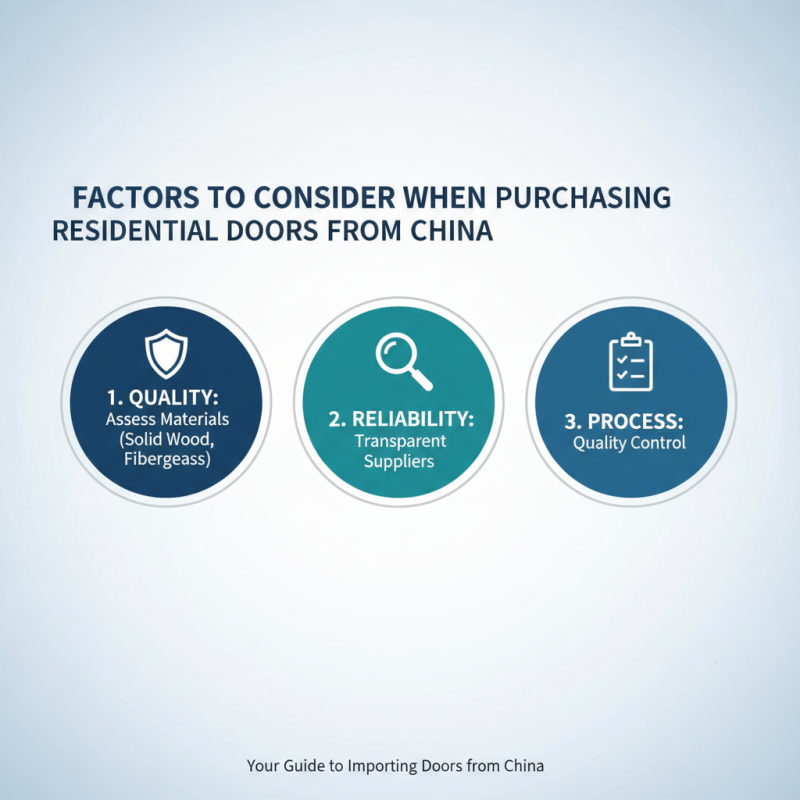
When purchasing residential doors from China, several factors are essential to ensure you make the right choice. Quality should be a primary concern. Assess the materials used. Solid wood offers durability, while fiberglass provides weather resistance. Look for reliable suppliers with transparent quality control processes.
Tips: Check reviews from previous buyers. This gives insights into the product's performance and quality. A door that looks good may not always meet functional needs.
Another important aspect is design and style. Consider your home’s architecture. Modern homes may benefit from sleek, minimalist designs. Traditional homes often suit classic styles. Proper alignment with your home's theme enhances appeal and value.
Tips: Think about the door’s color and finish. A door can significantly improve curb appeal. Keep in mind that trends change rapidly. What’s popular today may not be in a few years.
Lastly, shipping and customs processes are crucial. Understand import regulations before committing. Delays can occur, impacting project timelines. Research these logistics beforehand to avoid complications.
Tips: Factor in shipping costs. A seemingly low-priced door can become expensive once shipping is included. Always calculate total expenses thoroughly.
Shipping and Import Considerations for Residential Doors from China
When considering shipping and importing residential doors from China, buyers must navigate complex logistics. Understanding customs regulations is essential. Each country has its own requirements for importing building materials, including doors. It's important to research these regulations thoroughly to avoid unexpected delays and fees.
Here are some tips for smooth importing:
- Check import duties and tariffs early. It can significantly impact your budget.
- Utilize a reliable freight forwarder. They can guide you through logistics and paperwork.
- Ensure all documents, such as invoices and packing lists, are accurate.
Transporting doors can lead to damage if not done correctly. Always choose quality packaging materials. Think about the journey each door will make. Extreme temperatures and moisture can affect materials. Ensuring adequate support and cushioning is vital.
Be aware that lead times can fluctuate. Production schedules might change due to various factors. Always communicate with your supplier about timelines. This allows for planning on your end. Importing is a process that requires patience and flexibility.