How to Choose Quality Doors for Your Home or Business?
Choosing quality doors for your home or business may seem straightforward, yet it involves careful consideration. Industry expert Michael Johnson, a renowned architect, once stated, "Quality doors define the character and security of a space." This insight underscores the importance of selecting the right doors.
When considering quality doors, you must think about materials, style, and functionality. For instance, solid wood doors provide durability and elegance, while fiberglass doors offer insulation and resistance. Each option comes with its pros and cons. Reflect on what each choice says about your space.
Investing in quality doors can enhance your property’s value. However, finding the right ones isn't always easy. Not every beautiful door is well-made. Some may look appealing but lack longevity. Take the time to research and evaluate options. Quality doors often come with warranties to ensure reliability. Choose wisely, as the right door can transform your space for years to come.
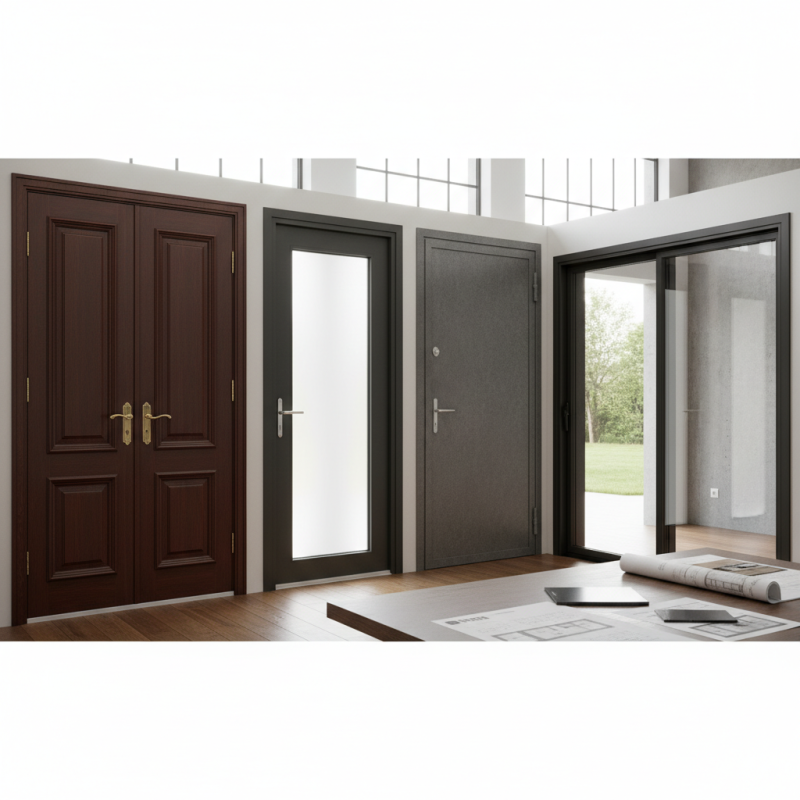
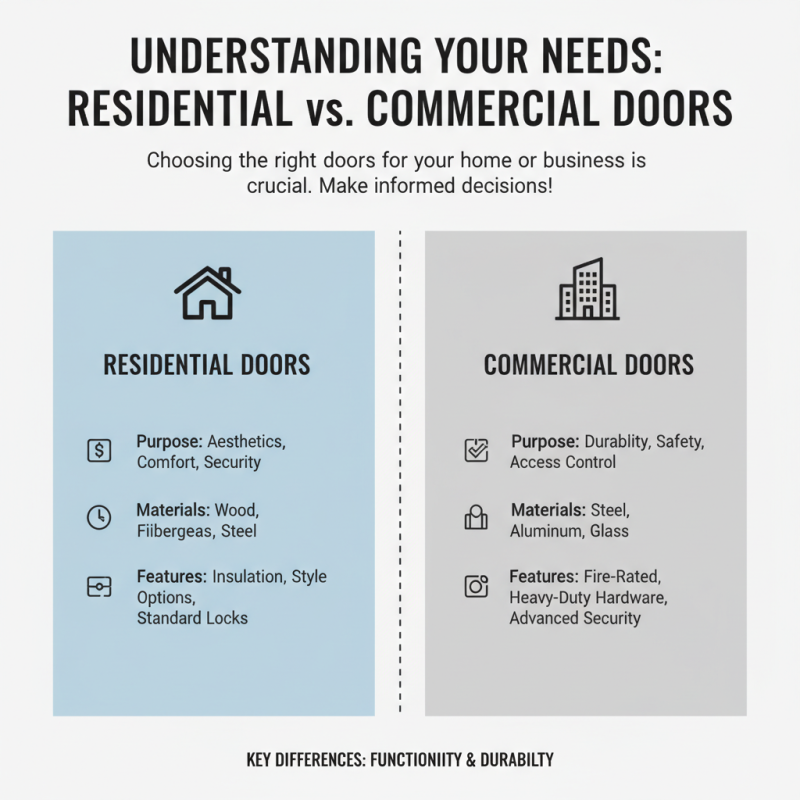
Understanding Your Needs: Residential vs. Commercial Doors
Choosing the right doors for your home or business is crucial. Residential and commercial doors serve different purposes. Understanding these differences helps you make informed decisions.
Residential doors prioritize aesthetics. They enhance your curb appeal. Homeowners often choose designs that reflect personal style. Consider materials like wood, fiberglass, or steel. Each option affects durability and maintenance. Aesthetic appeal can also influence home value. The wrong choice might make a home feel less welcoming.
Commercial doors focus on function and security. They need to withstand high traffic and potential impacts. Materials like aluminum or reinforced steel are common. Safety features are essential, including fire ratings. Choosing the wrong door could lead to increased costs and safety risks. Both types of doors require regular maintenance. Neglecting this could result in significant issues over time.
Key Materials for Quality Doors: Wood, Metal, and Fiberglass
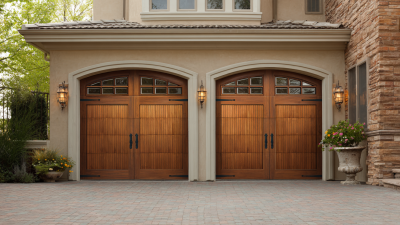
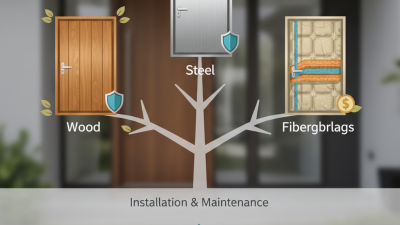
Choosing the right material for doors is crucial. Wood, metal, and fiberglass each have unique qualities. Wood offers a classic aesthetic. It can be customized easily with paint or stain. However, it requires regular maintenance to prevent warping and rot.
Metal doors are durable and secure. They often resist harsh weather conditions. Yet, they can be prone to dents and rust without proper care. Fiberglass doors are low-maintenance and energy-efficient. They mimic the look of wood but don’t suffer from its disadvantages. Still, they can be more expensive upfront.
In selecting the best material, think about your location and needs. Consider the door's function, whether it’s for security or aesthetics. The right choice can improve your property's appeal and durability. Reflecting on these choices can lead to better decisions.
How to Choose Quality Doors for Your Home or Business? - Key Materials for Quality Doors: Wood, Metal, and Fiberglass
| Material |
Durability |
Insulation |
Maintenance |
Cost Range |
| Wood |
Moderate to High |
Good |
Moderate |
$300 - $1,200 |
| Metal |
High |
Fair |
Low |
$200 - $800 |
| Fiberglass |
High |
Excellent |
Very Low |
$400 - $1,500 |
Evaluating Door Security Features and Ratings
When selecting doors, security features play a crucial role. A door’s quality is not only defined by its material but also by its locking mechanism. Look for doors with deadbolt locks, as they provide a higher level of security than standard latch locks. Some doors come equipped with reinforced frames, which can greatly enhance resistance against forced entry.
Consider specific ratings, such as ANSI and UL ratings. Doors with good ratings have undergone rigorous testing. They often indicate better performance in terms of security and durability. Many homeowners overlook these details, leading to vulnerable entry points. Installing a high-quality door is a good investment, but neglecting security ratings can be a costly mistake.
Pay attention to glass inserts in doors, too. While they can add aesthetic value, they may compromise security. Choose reinforced glass or security screens if this feature is essential. Realizing that beauty can come with trade-offs is vital. Striking a balance between a stylish door and effective security features is a thoughtful process.
Choosing the Right Style and Design for Your Space
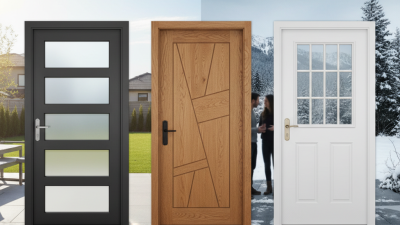
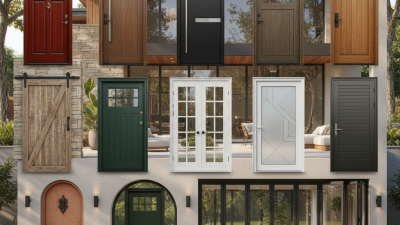
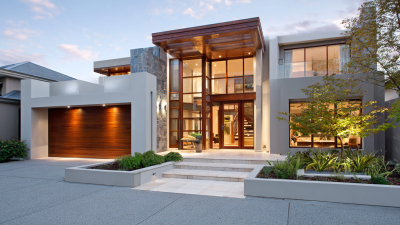
Choosing the right style and design for your doors can enhance the aesthetics of your home or business. A well-chosen door reflects your taste and complements your space. Consider the architectural style of your building. A modern space may call for sleek, minimalist doors, while a traditional home could benefit from classic wooden designs.
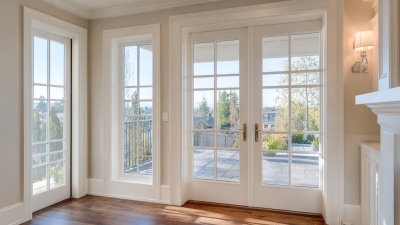
When selecting colors, think about your existing palette. Neutral shades can blend seamlessly, while bold hues can serve as statement pieces. Textures also matter; they can bring depth to your entrance. For instance, a rustic wood door adds warmth, while glass can create an airy feel.
Tips: Measure your doorframe carefully before buying. This ensures a perfect fit. Explore various materials like fiberglass, metal, and wood to find one that fits your needs. It's also important to consider durability, especially for high-traffic areas. Don’t rush the decision—take time to explore different styles. Reflect on what resonates with your vision. Adjustments can always be made later, but initial choices should align closely with your overall design goals.
Quality Doors Selection Analysis
Comparing Prices and Warranties for Long-Term Value
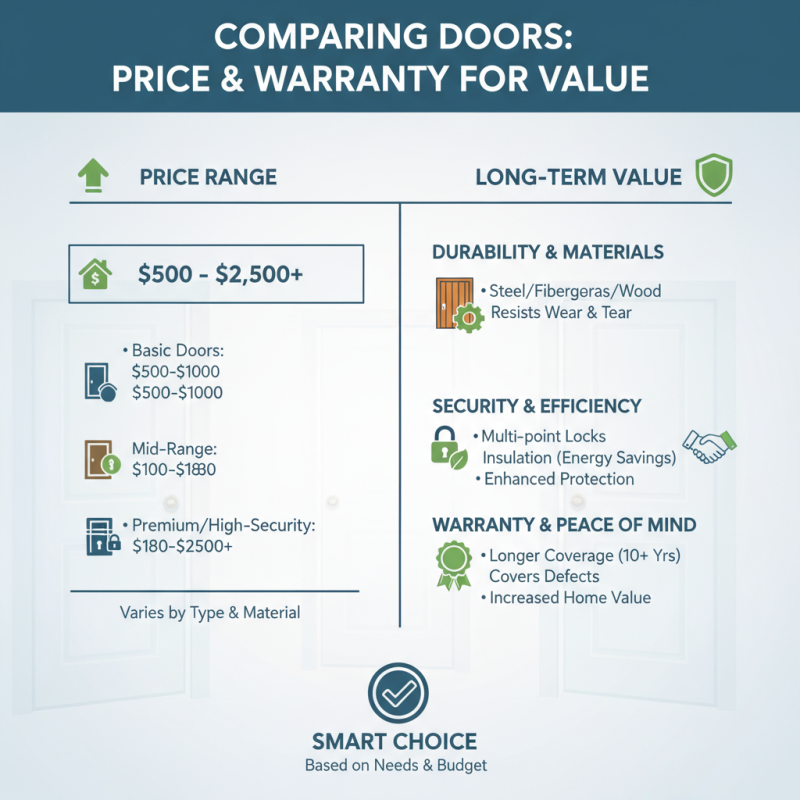
When selecting quality doors for your home or business, price and warranty matter significantly. A study by the Door and Access Systems Manufacturers Association indicates that durable doors can range from $500 to $2,500. This variance highlights the importance of evaluating your specific needs. Higher-priced doors often come with better materials, enhanced security features, and increased energy efficiency.
Warranties also play a crucial role in long-term value. Many manufacturers offer warranties ranging from 1 to 10 years. A report from the National Association of Home Builders shows that 30% of homeowners replace doors due to performance issues. This figure emphasizes the need for reliable warranties, as quality doors should withstand years of wear.
Choosing a door is about balancing upfront costs with long-term benefits. Consider potential savings from energy efficiency and maintenance costs over the years. While it’s tempting to opt for the cheapest option, remember that a low price can lead to higher replacements down the line. Think of how much you invest in your home; doors deserve similar scrutiny.