In today's competitive market, choosing the right industrial garage doors is crucial for any business. According to industry reports, over 70% of businesses prefer durable and energy-efficient options. The right doors can reduce energy costs by up to 40%.
Manufacturers offer a wide range of designs and materials. Steel doors are popular for their strength and security. However, businesses often overlook maintenance needs. Neglect can lead to costly repairs.
Additionally, businesses must consider the door's impact on workflow. High-traffic areas benefit from rapid-opening doors to enhance efficiency. While aesthetics matter, functionality should remain a priority. Choosing wisely can lead to long-term savings and improved productivity.
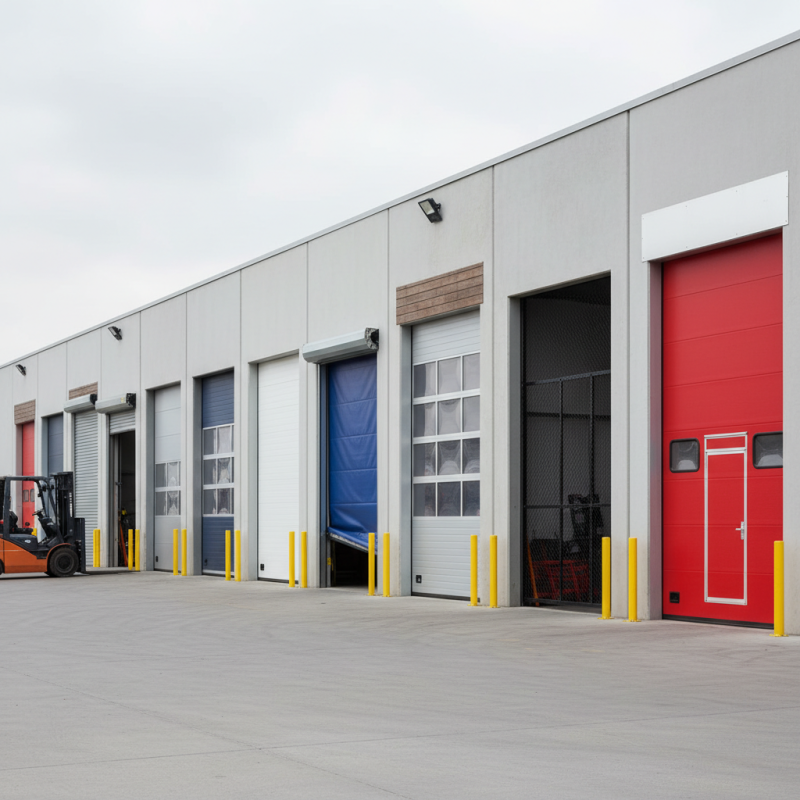
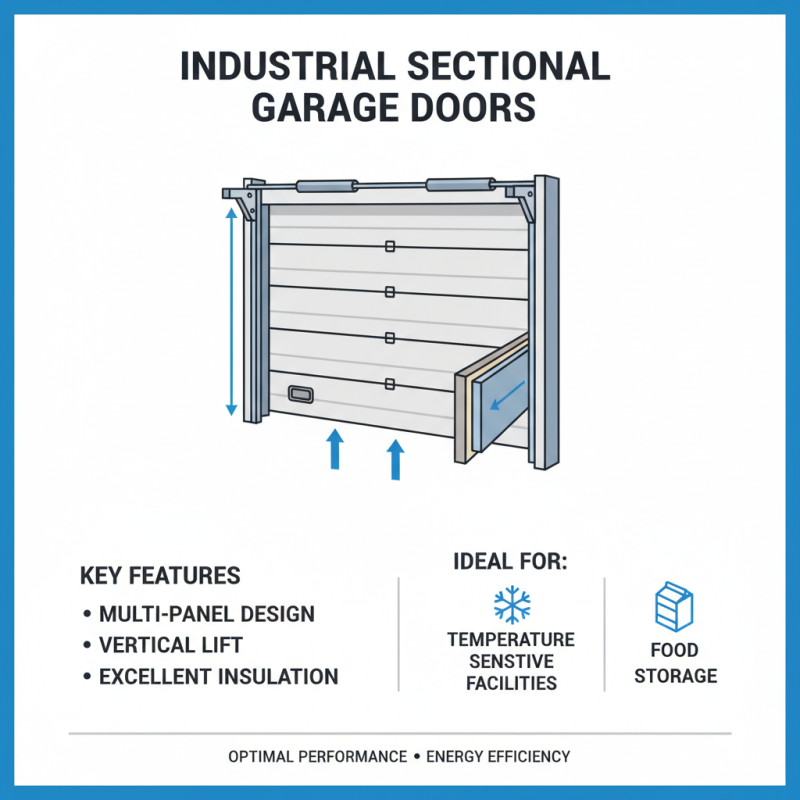
Industrial garage doors come in various types, each tailored for specific business needs. Sectional doors are among the most prevalent options. They consist of several panels and lift vertically during operation. According to industry reports, these doors provide excellent insulation. This feature makes them suitable for temperature-sensitive environments, such as food storage facilities.
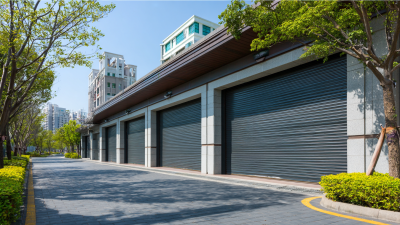
Another popular choice is roll-up doors. These doors are designed for high traffic areas. They can be opened and closed quickly, thus enhancing efficiency. Research shows that roll-up doors can improve workflow by reducing loading times. However, they may lack the insulation properties of sectional doors. This could lead to increased energy costs in certain industries.
Some businesses opt for high-speed doors. These doors are engineered for rapid operation. They can open and close in seconds, which minimizes exposure to the elements. A study indicates that these doors can operate up to 100 times faster than traditional options. Yet, their installation and maintenance can be more costly than standard doors. This aspect should be carefully considered by business owners. Balancing speed and cost is crucial. Each door type possesses unique advantages and limitations, and selecting the right one is pivotal for business efficiency.

Choosing the right industrial garage door can significantly impact your business operations. Consider durability first. A report by the International Door Association shows that robust doors can last up to 30 years with proper maintenance. This longevity can reduce overall costs. However, not all materials offer the same lifespan. Steel doors are favored for their strength. Yet, they may rust over time if not treated.
Security is another crucial factor. Businesses in high-crime areas might prioritize advanced locking systems. According to the Bureau of Justice Statistics, theft is a significant concern, costing U.S. businesses billions annually. A reliable door can deter break-ins. Look for features like alarms or reinforced frames. While these additions increase initial costs, they can save money long-term.
Insulation matters too. An insulated door can keep energy costs lower. Studies indicate properly insulated doors can reduce heating costs by 20-30%. However, cheaper options might compromise insulation effectiveness. Reflection on these factors is vital. A hasty decision could lead to costly mistakes later.
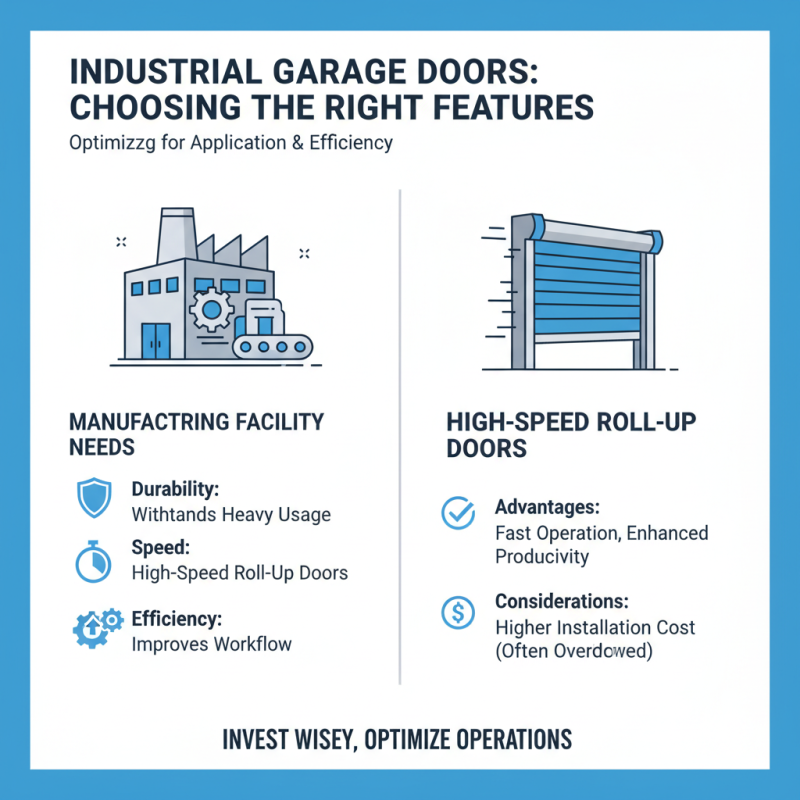
When evaluating industrial garage doors, different applications require specific features. A manufacturing facility, for instance, needs durable doors that withstand heavy usage. High-speed roll-up doors may suit this environment well. They open quickly, improving workflow efficiency. However, they can be costly to install. Sometimes, businesses overlook these expenses.
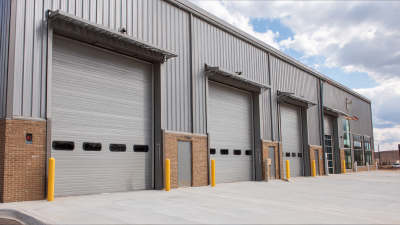
Warehouses often benefit from insulated steel doors. These doors provide security and energy efficiency. They help keep temperature-controlled items safe. Yet, choosing insulation thickness can be tricky. Many may not consider the right balance between cost and performance, leading to regrettable decisions later.
Loading docks require versatility. Here, safety is crucial due to constant movement. Bi-fold and accordion doors can offer the needed flexibility. However, they might not be weather-resistant. Businesses must weigh pros and cons carefully. A little research might reveal alternatives that better fit their situation. Seeking advice can prevent common mistakes and ensure the best choice for your operational needs.
When selecting industrial garage doors, durability and cost are primary factors. Many businesses face challenges in finding the right balance between strength and budget. While some might think a higher price means better quality, this assumption doesn’t always hold true.
Comparing materials like steel, aluminum, and fiberglass helps in understanding their longevity and maintenance needs.
Steel doors tend to be strong and long-lasting, yet they might come with higher initial costs. Conversely, fiberglass doors offer lightweight options but may not endure as well in harsh conditions. Cost analysis often reveals that lower-priced models may require frequent repairs. These hidden costs can add stress to your financial planning. It’s essential to consider life-cycle costs, not just purchase price.
Maintenance is another critical area. Some designs may look sleek but can complicate repairs over time. Reviewing user feedback about specific models can provide valuable insight into real-world performance. It's worth reflecting on how well a door fits your operational needs. A door that meets safety and security standards is crucial, but checking durability against cost can be just as important as choosing the right model.
Industrial garage doors are critical for business operations. Proper maintenance significantly extends their lifespan. According to industry reports, about 30% of premature door failures are due to neglect. Regular care is essential.
Tips: Inspect your doors monthly. Look for signs of wear like rust or misalignment. Small issues can escalate quickly if ignored. For instance, a minor hinge problem can lead to complete door failure.
Lubrication is vital. Use appropriate oils for hinges and rollers. This keeps your doors moving smoothly. Manufacturers suggest a quarterly lubrication schedule. Clean the tracks regularly to prevent debris buildup. Dust can cause operational issues over time.
Regular inspections and maintenance can save costs. Many companies overlook this. A proactive approach can reduce unexpected repairs by up to 50%. Keeping a maintenance log can help track services and monitor potential issues. By staying diligent, you can ensure that industrial garage doors serve your business well for years to come.