Top Garage Parts Every Car Owner Should Know About?
As a car owner, understanding essential garage parts is vital. These components can keep your vehicle running smoothly and safely. Every home garage should have a selection of crucial parts. This knowledge might prevent costly repairs down the road.
Garage parts come in various shapes and sizes. Tools like wrenches, sockets, and jacks are fundamental. Knowing which parts you need can simplify maintenance tasks. Some may skimp on essentials, only to face problems later. Investing in quality parts pays off in the long run.
It's easy to overlook what you need. However, without the right garage parts, breakdowns can occur unexpectedly. Reflecting on what’s available in your garage can save time and stress. Keeping your car in optimal condition should always be a priority. Proper parts make a significant difference in your car's performance.
Top Garage Parts Every Car Owner Should Know About
When it comes to garage parts, every car owner should be familiar with a few essentials. These components help in troubleshooting and vehicle maintenance.
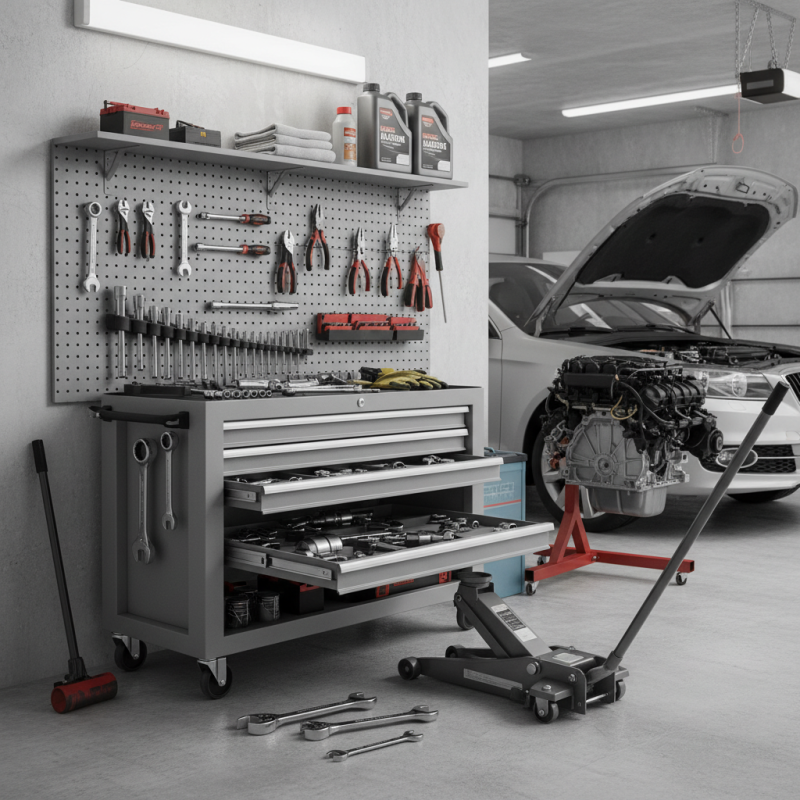
One crucial component is the jack. It allows you to lift your vehicle for tire changes or inspections. Choose a durable jack that can support your car’s weight. It’s surprising how often people overlook this tool. Always place it on stable ground for safety.
Another must-have part is the toolset. A basic set should include wrenches, screwdrivers, and pliers. Many homeowners have mismatched tools or missing pieces. Regularly check your gear to ensure you have everything you need.
**Tips:** Store your tools in a labeled box. This prevents loss and saves time. Clean your tools after use to prolong their life. Lastly, consider a garage organizer. It keeps parts accessible and your workspace tidy.
Top Garage Parts Every Car Owner Should Know About
| Part Name |
Description |
Purpose |
Maintenance Tips |
| Oil Filter |
Filters contaminants from engine oil |
Ensure clean oil circulation |
Replace with every oil change |
| Brake Pads |
Friction material for stopping the vehicle |
Critical for safe braking |
Check thickness regularly |
| Spark Plugs |
Ignites air/fuel mixture in engine |
Essential for engine performance |
Inspect and replace as necessary |
| Battery |
Stores electrical energy for the vehicle |
Starts the vehicle and powers accessories |
Keep terminals clean and secure |
| Air Filter |
Filters air entering the engine |
Improves fuel efficiency and performance |
Change every 12,000 miles or as needed |
Understanding Essential Garage Tools and Their Uses
Every car owner should be familiar with essential garage tools. A basic toolkit is fundamental. It typically includes wrenches, screwdrivers, and pliers. Each tool serves a distinct purpose.
Wrenches grip and turn nuts and bolts, while screwdrivers drive screws into tight spots.
Having these basics on hand makes repairs smoother.
Another critical addition is a jack. This tool lifts the car for tire changes or inspections. Ensuring the jack is sturdy is vital for safety. Many overlook this.
A creeper is also helpful. It allows easy movement under the vehicle. However, some garage owners skip this tool, leading to awkward positions and unnecessary discomfort.
Don’t forget the importance of a workbench. A sturdy surface helps organize tools. Some may find clutter overwhelming. It often results in wasted time and frustration. Proper organization minimizes this chaos.
Lighting is equally crucial. Dim spaces make tasks difficult and increase the chance of errors. Well-lit areas boost efficiency.
Common Garage Parts: Lifespan and Replacement Frequency
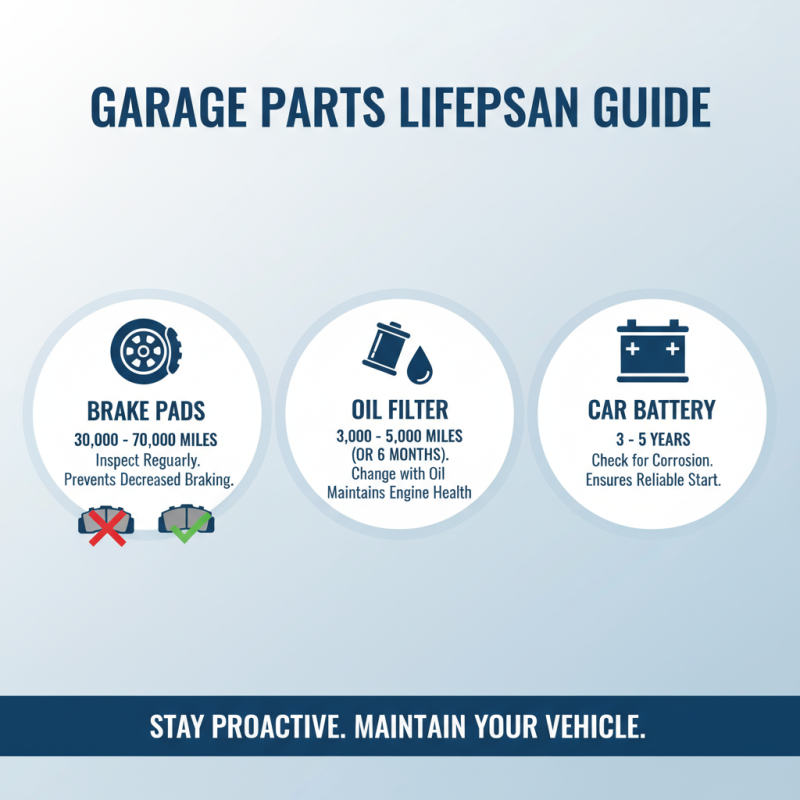
Garage parts play a vital role in vehicle maintenance. Understanding their lifespan helps car owners stay proactive. Brake pads typically last between 30,000 to 70,000 miles. They require regular inspection to avoid safety issues. Worn-out pads can lead to decreased braking efficiency.
Oil filters should be replaced every 5,000 to 10,000 miles. Ignoring this can lead to engine damage. Old filters may cause contaminants to circulate in the engine oil. It’s easy to overlook them, but this small part has a big impact.
Tips for maintenance: Regularly check your tire pressure. Properly inflated tires enhance safety and improve fuel efficiency. Don’t forget to assess the condition of your battery. A dead battery can leave you stranded, so replace it every 3-5 years. Investing time in minor checks can save you from major headaches later.
Safety Equipment in the Garage: Importance and Recommendations
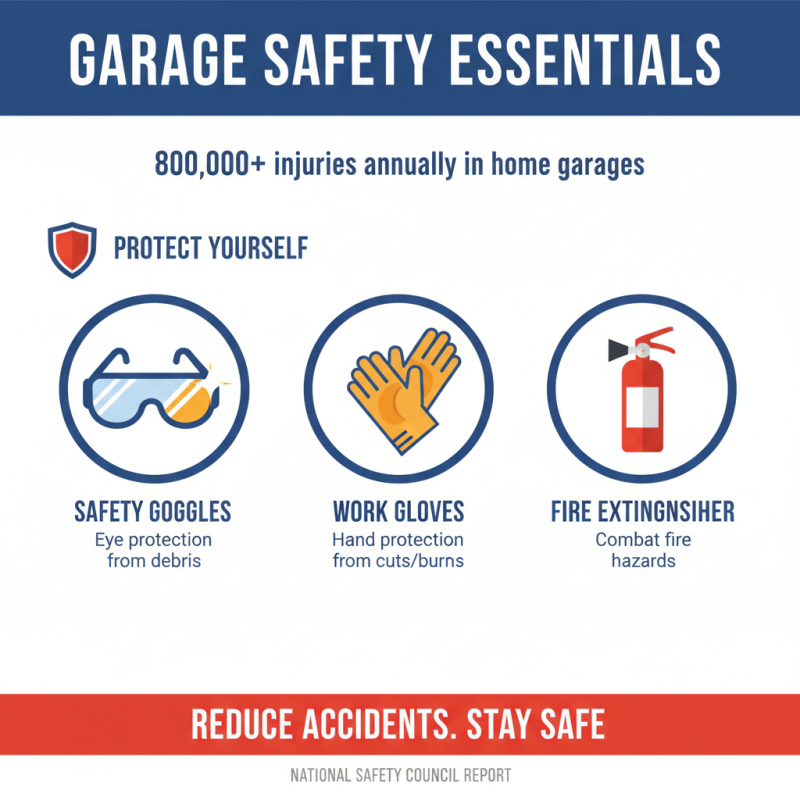
Safety equipment in your garage is crucial. According to a report by the National Safety Council, over 800,000 injuries occur each year in home garages. Proper safety gear can significantly reduce accidents. Consider items such as safety goggles, gloves, and fire extinguishers. Each of these can protect you from common garage hazards.
A cluttered workspace increases the risk of injuries. Think about installing adequate lighting. Poor visibility leads to accidents. Inadequate lighting is a common oversight. A bright, well-organized area allows you to move safely. Additionally, ensure you have a first aid kit accessible. An equipped kit can be lifesaving in emergencies.
Tip: Regularly inspect your safety equipment. Check for wear and tear. Replace items that are no longer effective. Keep a checklist for safety gear. This practice ensures you are always prepared. Ignoring these steps could result in oversights that lead to accidents. Safety should always be a top priority.
Upgrading Garage Storage Solutions for Efficiency and Organization
An organized garage can make a significant difference for car owners. Efficient storage solutions not only save time but also enhance functionality. Shelving units, wall-mounted racks, and pegboards can transform clutter into order. These options utilize vertical space. Consider installing shelves above your workbench. This keeps tools within reach but off the main surface.
Tips: Group similar items together. Use clear bins for easy visibility. Label each bin for quick identification. Small adjustments can have a big impact.
A messy garage can lead to frustration. Finding tools becomes a treasure hunt. Regularly reassess your storage solutions. Is everything easy to find? Do you need to toss outdated items? A clean space lets creativity flow and helps you focus. Make it a habit to maintain the order. Regular check-ins keep chaos at bay and elevate your garage experience.