How to Choose the Perfect Single Garden Gate for Your Home?
Choosing the right single garden gate for your home can be a daunting task. Renowned landscape designer, John McLain, states, "A single garden gate reflects both the style of your home and the personality of its owner." This highlights the importance of making a thoughtful decision. A well-chosen gate can enhance your garden's aesthetic, while a poorly selected one can detract from it.
When exploring options, consider the materials. Wood, metal, or vinyl all provide different looks and durability. Also, take into account the height and width of the gate. It should complement your home and garden. A gate that is too small might look lost, while one that is overly large can dominate the space.
Reflecting on functionality is crucial. Think about how often you'll be using the gate. A heavy gate may become cumbersome over time. Researching different styles and designs adds to the decision-making process. A single garden gate should not only look good but also fit your lifestyle.
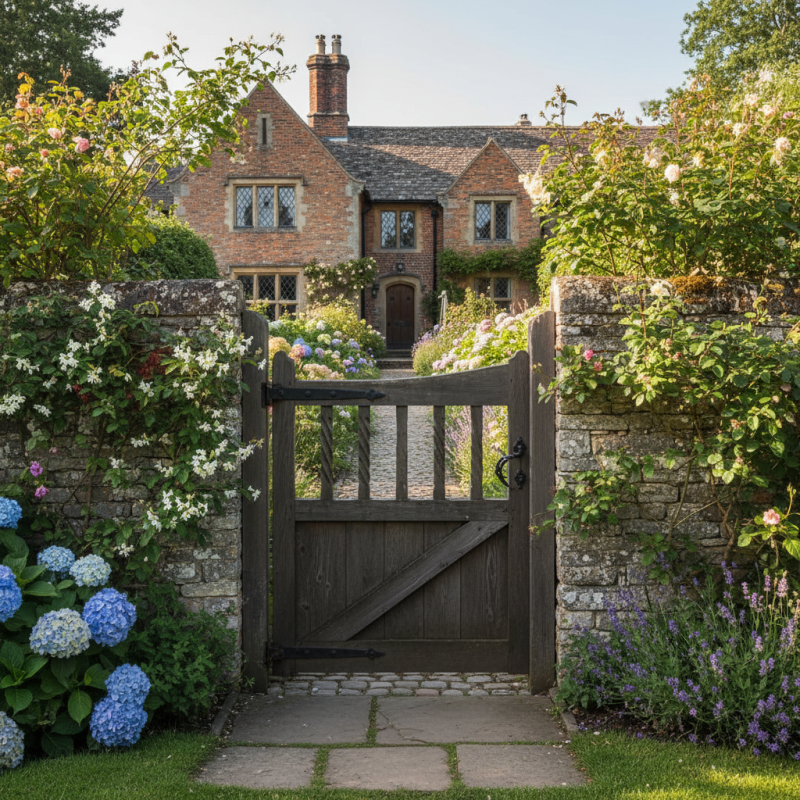
Understanding the Functionality of a Single Garden Gate
Choosing the right single garden gate involves understanding its functionality. A gate serves various purposes, including security, accessibility, and aesthetic appeal. According to a report by the American Fence Association, approximately 70% of homeowners consider security crucial when selecting a gate. A sturdy, well-designed gate enhances safety while improving the overall look of the garden.
When assessing functionality, think about the material and design. Wooden gates offer a classic look but can warp over time. Metal gates provide durability and require less maintenance, yet they can rust. Consider your climate and how it impacts your choice. For instance, a humid area might affect wood more than metal. Aim to match the gate's style to your home for a cohesive appearance.
Tip: Choose a gate that fits the width of your pathway. A gate that is too small can appear insignificant. For larger properties, a wider gate creates a grand entrance. Additionally, think about the locking mechanism. A secure latch enhances safety while ensuring ease of use.
Even affordable gates can look appealing. Sometimes, imperfections create character. Reflect on how the gate harmonizes with surrounding elements. A gate should not only be functional but also complement your garden’s vibe. It’s important to evaluate your choices, recognizing that not every option will be perfect.
Understanding the Popularity of Garden Gate Materials
This chart illustrates the popularity of various garden gate materials based on current trends. The most favored material is wood, followed closely by metal and vinyl. Understanding these preferences can assist in selecting the perfect garden gate for your home, considering aesthetic and functional needs.
Identifying Material Options for Durability and Aesthetics
When choosing a garden gate, the material plays a crucial role in both durability and aesthetics. Wood, metal, and vinyl are popular choices. According to industry reports, untreated wood gates can last around five years, while treated varieties can exceed a decade. Metal options, such as wrought iron, offer impressive durability with minimal maintenance.
However, aesthetics cannot be overlooked. Wooden gates often provide a natural look that blends well with gardens. Conversely, metal gates can add a classic touch to modern homes. Yet, some consumers find the rusting of certain metals to be a concern, highlighting the need for regular maintenance.
Vinyl has emerged as a durable choice, boasting a lifespan of about 25 years. It resists fading and requires less upkeep compared to wood and metal. These options allow for a wide variety of styles and colors. Still, some homeowners express hesitation due to the perception that vinyl may lack the charm of traditional materials. Evaluating the balance between durability and visual appeal is essential when making your selection.
Assessing Size and Dimensions for Optimal Fit
When choosing a single garden gate, size and dimensions are crucial. An ill-fitting gate can disrupt the flow of your garden and reduce its overall functionality. According to a report from the American Society of Landscape Architects, about 70% of homeowners underestimate the importance of precise measurements when selecting garden gates. A gate that is too narrow may restrict access, while a gate that is too wide can overwhelm your garden design.
Start by measuring the opening where the gate will be installed. It’s important to account for not just the width but also the height. A standard gate height is often between 4 to 6 feet, while the width typically ranges from 3 to 4 feet. However, these measurements can vary significantly based on your landscape's specific features. Additionally, consider the slope of your garden. According to design guidelines from the Garden Gate Magazine, a slope can make installation challenging. This often requires adjustments in size to ensure proper function.
Some homeowners overlook the width of their equipment, like lawn mowers or wheelbarrows. If your gate is too narrow, it might create a barrier during maintenance tasks. Surprisingly, around 45% of landscaping projects reveal that size misjudgments lead to costly rework. Planning for future needs is equally essential; think about any future garden expansions or changes. Sizes that seem perfect today might not serve you well tomorrow.
Exploring Design Styles to Complement Your Home Exterior
Choosing the right garden gate is more than just functionality; it’s about enhancing your home’s exterior. A single garden gate should blend with your home’s style. Consider the architectural features of your house. Is it modern, traditional, or rustic? Each design offers unique aesthetics.
For a modern home, sleek materials like metal or glass can create a stunning impact. In contrast, wooden gates fit best with a rustic or farmhouse style. Think of the finish, too. Whether you choose a natural wood grain or a bold paint color, each choice speaks to your personality.
Tips: Pay attention to the gate’s size. A gate too large can overwhelm a small space; too small may look insignificant. Remember to consider the hardware. Simple, clean lines can enhance a contemporary feel, while ornate hinges add charm to vintage designs.
Reflect on your home’s surroundings. A beautifully designed gate should harmonize with your garden and landscape. Plants, pathways, and fences all contribute to the overall vibe. It’s a complex thought process, but the right gate can transform your entryway into a welcoming statement.
Reviewing Installation Considerations and Maintenance Requirements
When selecting a single garden gate, consider the installation process. Some gates require professional help, while others can be DIY-friendly. Ensuring proper alignment is crucial for gate function. A misaligned gate may not close properly. Take measurements carefully before installation. You might need tools like a level, drill, and screws. Ignoring these details can lead to frustrating results.
Maintenance is equally important. Weather elements can wear down a gate over time. Regular checks for rust or damage are essential. Apply a protective sealant every few years to extend its life. Hinges and locks also deserve attention. Lubricate them to maintain smooth operation. A neglected gate can become a safety concern. This aspect is often overlooked by homeowners, leading to potential issues down the line. Overall, understanding these installation and maintenance aspects ensures your gate adds charm and function to your garden.