How to Choose the Best Clad Wood Windows for Your Home?
Choosing the best Clad Wood Windows for your home can be a challenging task. With numerous options available, making an informed decision requires both knowledge and experience. According to John Smith, a renowned expert in the window industry, “Investing in quality clad wood windows can enhance both beauty and energy efficiency in your home.” His words highlight the importance of choosing wisely.
Clad Wood Windows combine the natural beauty of wood with the durability of exterior cladding. This unique combination ensures that your windows can withstand harsh weather while providing a warm, inviting appearance. When selecting these windows, consider factors like climate, architectural style, and energy efficiency. Not all options will suit every home, and overlooking these details may lead to regrets later.
While many companies offer clad wood windows, finding the best requires assessing their reputation and reviewing customer feedback. Experienced homeowners often wish they had invested more time into their choice. Proper research can help avoid costly mistakes and enhance long-term satisfaction with your windows. The right Clad Wood Windows can truly transform your living space, so take the time to choose carefully.
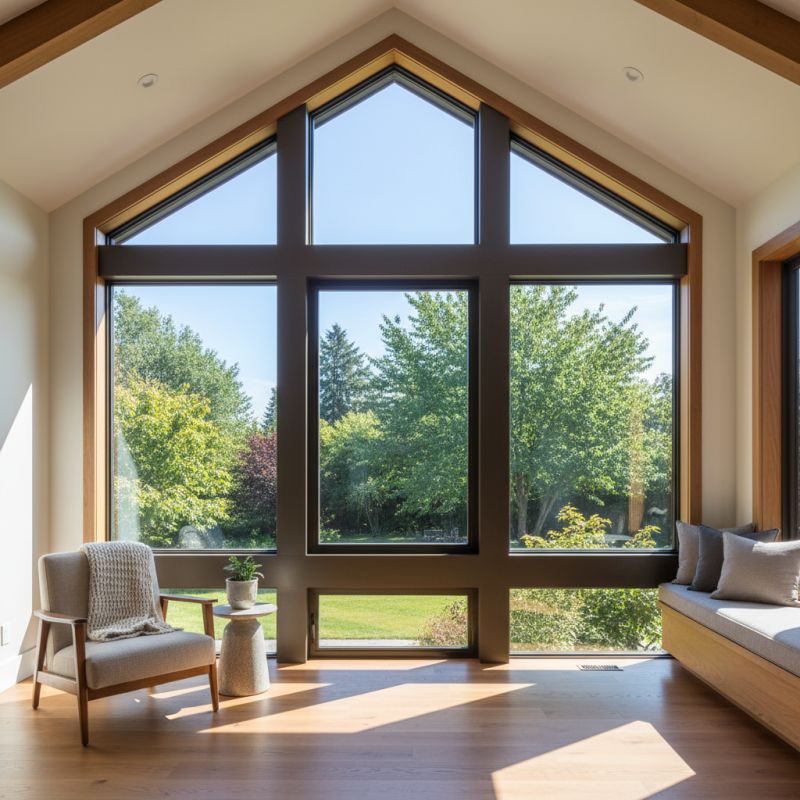
Factors to Consider When Choosing Clad Wood Windows
When selecting clad wood windows, several important factors come into play. One key aspect is energy efficiency. According to the U.S. Department of Energy, windows account for 25-30% of home energy use. Choosing windows with proper insulation can significantly reduce energy bills. Look for windows with a high Energy Star rating, as they meet strict efficiency guidelines.
Another vital consideration is durability. Clad wood windows are designed to withstand various weather conditions. However, not all materials provide the same level of protection. Research indicates that vinyl cladding offers low maintenance and high resistance to fading or chipping. Wood is also aesthetically pleasing but requires regular upkeep. Balancing these factors can be challenging.
Aesthetics also matter. Windows are a prominent feature of any home. Customization options can enhance the visual appeal. However, consider how long designs will remain trendy. Reports show that classic styles often retain value better than modern trends. Investing in timeless designs might save money in the long run. Always assess your priorities and think critically about these aspects.
Understanding the Benefits of Clad Wood Windows
Clad wood windows offer a unique blend of beauty and durability for your home. They combine the warmth of wood on the inside with a protective exterior layer, often made of vinyl or aluminum. This design reduces maintenance by protecting the wood from harsh weather. Homeowners appreciate this balance, as it allows for a classic look without the constant worry of rot or warping.
Beyond aesthetics, clad wood windows improve energy efficiency. The insulating properties of wood help keep your home warm in winter and cool in summer. This can lead to lower energy bills, making them a practical choice. However, it's essential to note that not all clad wood windows perform equally. Some may lack the necessary seals, leading to drafts. Investing time to research options is crucial for selecting the right product for your home.
While the benefits of clad wood windows are clear, potential buyers must reflect on their specific needs. Consider local climate conditions and personal style preferences. What works well in one environment might not suit another. Assessing your priorities and understanding the pros and cons will guide you in making an informed decision.
Comparing Different Cladding Materials for Durability
Choosing the right cladding material for wood windows is essential for durability and aesthetics. Several options, such as vinyl, aluminum, and fiberglass, offer varying levels of protection. Each material has its pros and cons in terms of cost, maintenance, and lifespan.
Vinyl cladding is low-maintenance and resistant to moisture. It won’t chip or peel, making it suitable for humid climates. However, it can fade over time and may not offer the best insulation. Aluminum cladding provides strength and a modern look. It's excellent against weather elements but can dent easily and may require occasional repainting.
Tips: Consider the climate in your area. Harsh weather may demand more robust materials. Evaluate your long-term maintenance preferences. Some materials may seem cheaper upfront but can incur costs over time. Check local regulations as they might affect your choice of materials. Invest time in understanding warranties and guarantees. Reliable manufacturers offer solid protection for years.
How to Choose the Best Clad Wood Windows for Your Home? - Comparing Different Cladding Materials for Durability
| Cladding Material | Durability Rating | Maintenance Level | Energy Efficiency | Cost (per square foot) |
| Vinyl | High | Low | Good | $5 - $10 |
| Aluminum | Very High | Medium | Fair | $10 - $15 |
| Fiber Cement | High | Medium | Good | $7 - $12 |
| Wood | Medium | High | Excellent | $8 - $20 |
| Composite | High | Low | Good | $6 - $14 |
Evaluating Energy Efficiency Ratings of Clad Wood Windows
When selecting clad wood windows, energy efficiency should be a priority. These windows often feature a combination of materials, optimizing both durability and insulation. According to the U.S. Department of Energy, energy-efficient windows can reduce heating and cooling costs by 7-15%. This can translate into substantial savings over time. Look for Energy Star ratings, which signify superior energy performance.
To help you assess energy efficiency, focus on U-factor and Solar Heat Gain Coefficient (SHGC). The U-factor measures heat transfer, while SHGC indicates how much solar heat enters your home. A lower U-factor is better for colder climates. Aim for a U-factor of 0.30 or lower. For warmer areas, an SHGC of 0.25 or lower is preferable.
When considering clad wood windows, it’s vital to remember the real-world implications. Installation quality can significantly impact performance. Even high-rated windows can underperform if not sealed correctly. Checking for air leaks is essential. Do not overlook the importance of professional installation to maintain efficiency. This also ensures long-term reliability, adding value to your investment. Choose wisely, as these windows will be a part of your home for many years.
Choosing the Right Style and Finish for Your Home's Aesthetic
Choosing the right style and finish for clad wood windows can enhance your home's aesthetic. These windows offer a warm, classic look on the inside and durable finishes on the outside. Selecting a style that complements your home is key. Consider architectural details and the overall theme of your residence. A modern home may look best with sleek lines, while a traditional space benefits from intricate designs.
Tips: Take a moment to visualize various styles. Gather samples or pictures to see how they fit together. Pay attention to how the finishes interact with your exterior colors. Darker finishes can add sophistication, while lighter tones create a feeling of openness.
Consider the texture as well. A smooth finish offers a contemporary vibe, while a textured surface can add character. Remember, while you might be drawn to one style, think about how it affects the home's balance. Reflect on your living space; will those windows stand the test of time or could they seem outdated? Each choice should harmonize with your home's essence.
Choosing the Best Clad Wood Windows for Your Home
This chart illustrates the popularity of different window styles and finishes for clad wood windows based on recent homeowner preferences.