How to Choose Sliding Glass Windows for Your Home?
Sliding Glass Windows have become a popular choice for homeowners due to their aesthetic appeal and functionality. According to a recent report by the National Association of Home Builders, nearly 70% of homeowners prefer windows that allow ample natural light. Sliding glass windows fit this demand perfectly, providing unobstructed views and enhancing indoor brightness.
However, choosing the right sliding glass windows requires careful consideration. Factors like insulation, frame material, and safety features are essential. Research shows that energy-efficient windows can reduce heating and cooling costs by up to 25%. This statistic underscores the importance of selecting the right options for your home.
It is crucial to reflect on your specific needs when selecting sliding glass windows. Not all sliding windows are created equal, and some may not meet your safety requirements or aesthetic preferences. Take time to explore various brands and materials. Make informed decisions to ensure your investment pays off in both value and comfort.
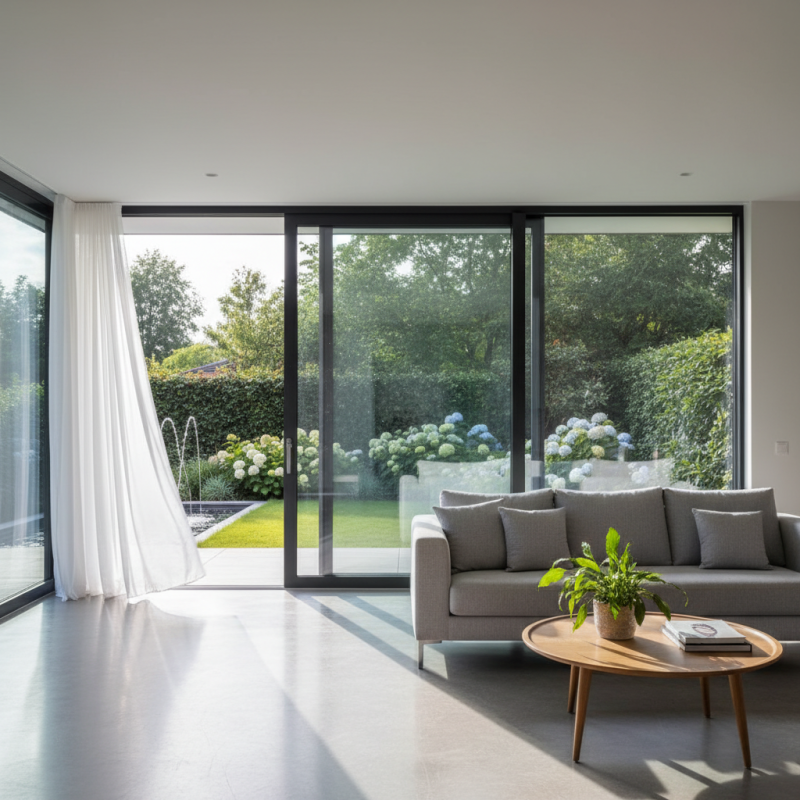
Factors to Consider When Selecting Sliding Glass Windows
Choosing the right sliding glass windows involves various factors. The first consideration is size. Measure the space accurately; even minor miscalculations can lead to gaps. The frame material also plays a crucial role. Options include vinyl, wood, and aluminum, each offering different aesthetics and insulation properties.
Next, consider the glazing options. Double or triple-pane glass improves energy efficiency. Look for low-emissivity (Low-E) glass to reduce heat transfer. This choice can significantly impact your energy bills. Security features are also essential. Check for reinforced locks and shatterproof glass for added safety.
Installation quality matters too. A professional installation ensures a proper fit and seals. Improper installation can cause leaks or drafts, leading to future problems. Be aware of maintenance needs as well. Some materials require more upkeep than others. Balancing these factors requires careful thought and planning.
Types of Sliding Glass Windows and Their Features
When selecting sliding glass windows, understanding the various types is crucial. Each type offers distinct features that cater to different aesthetic preferences and practical needs. For instance, traditional sliding windows glide open horizontally on a track. They are easy to operate and provide excellent ventilation. Their simplicity makes them a popular choice for modern homes.
Another option is the stacking sliding window, a favorite in open-concept spaces. These windows slide seamlessly to one side, creating a wide opening. This design enhances indoor-outdoor living, ideal for entertaining. However, installation requires ample wall space, so planning is essential.
Consider also the sliding patio door. This style combines the functionality of a door with expansive glass panels. It allows for natural light and easy access to outdoor areas. On the downside, cleaning large panels can be cumbersome. Each type of sliding glass window has its pros and cons. Reflecting on your specific needs and space limitations will guide you to the right choice.
Energy Efficiency Ratings for Sliding Glass Windows
When selecting sliding glass windows for your home, consider energy efficiency ratings carefully. The National Fenestration Rating Council (NFRC) provides essential information about thermal performance. These ratings measure factors like U-factor, Solar Heat Gain Coefficient (SHGC), and Visible Transmittance (VT). A lower U-factor indicates better insulation, which is crucial in maintaining indoor temperature.
Windows with an NFRC rating can reduce energy bills by 12% to 20%, according to the U.S. Department of Energy. For example, sliding glass windows with a U-factor of 0.30 can save homeowners significant amounts on heating and cooling costs. However, many consumers overlook the importance of SHGC, which measures how well windows block heat from sunlight. A SHGC of 0.25 to 0.40 is generally preferred for homes in hotter climates, while colder regions benefit from higher SHGC values.
It's also worth noting that not all glass types are equal. Double-pane windows often outperform single-pane options, mainly due to trapped air providing insulation. Yet, even double-pane windows can come with varying performance levels. Buyers should ensure they look for reliable ratings, as misrepresented information can lead to mistaken purchases that cost more in the long run. Awareness of these factors can prevent financial and comfort-related regrets later on.
Aesthetic and Design Considerations for Your Home
When selecting sliding glass windows, aesthetics play a crucial role in enhancing your home. The right window design can create a seamless connection between indoor and outdoor spaces. According to the American Architectural Manufacturers Association, about 70% of homeowners value natural light and views. Sliding glass windows can maximize this potential, allowing abundant light while providing stunning outside vistas.
Color and frame material are essential design elements. Options like aluminum and vinyl offer varied visual appeal, each with its own maintenance needs. A recent survey indicated that 78% of homeowners prefer energy-efficient options highlighting eco-friendly designs. It's worth pondering the overall harmony of your property. Consider how the window style aligns with your home’s architectural character, which might take time to iron out.
Visual considerations extend beyond your choice. Proper placement can influence not just aesthetics but also functionality. Misalignment can disrupt design flow. Reflect on these details. Each aspect shapes the ambiance of your space. Rigorous planning and analysis can lead to a cohesive look that feels both inviting and practical.
Sliding Glass Windows: Aesthetic and Design Considerations
Installation and Maintenance Tips for Sliding Glass Windows
When choosing sliding glass windows, proper installation and maintenance are crucial for longevity and performance. According to the American Architectural Manufacturers Association, over 70% of window problems stem from improper installation. Ensuring a precise fit in the opening is vital. Use shims to create a level surface. This simple step reduces air leakage and improves insulation.
Regular maintenance is equally important. Inspect the tracks every six months for debris. Dust and dirt can hinder smooth operation. Lubricate the rollers with silicone spray as needed. Research suggests that homeowners who maintain their windows regularly enjoy a lifespan increase of up to 20%. Check seals and weatherstripping for wear, replacing them promptly to avoid drafts and water leaks.
Here are some tips for caring for your sliding glass windows. Clean the glass with a non-abrasive cleaner to avoid scratches. Consider applying a UV-protective film to reduce fading indoors. This can also enhance energy efficiency. Remember, neglecting small issues can lead to costly repairs. Stay proactive in your maintenance routine for the best results.