2025 How to Choose Replacement Doors for Your Home Improvement Project
Choosing the right replacement doors for your home improvement project can significantly enhance both the aesthetic appeal and functionality of your living space. With an array of styles, materials, and features available on the market, homeowners often find themselves overwhelmed by the multitude of options. Replacement doors not only serve as a crucial entry point to your home but also influence energy efficiency, security, and overall ambiance.
As you embark on this important decision-making process, it is essential to consider factors such as the architectural style of your home, the climate in your region, and your personal preferences. Whether you are looking for sleek modern designs, classic wooden styles, or energy-efficient materials, understanding your needs will help guide your selection. By carefully evaluating these aspects, you can ensure that your investment in replacement doors will not only uplift your home’s appearance but also provide enduring value for years to come.
Understanding Door Materials: Pros and Cons for Your Home Improvement
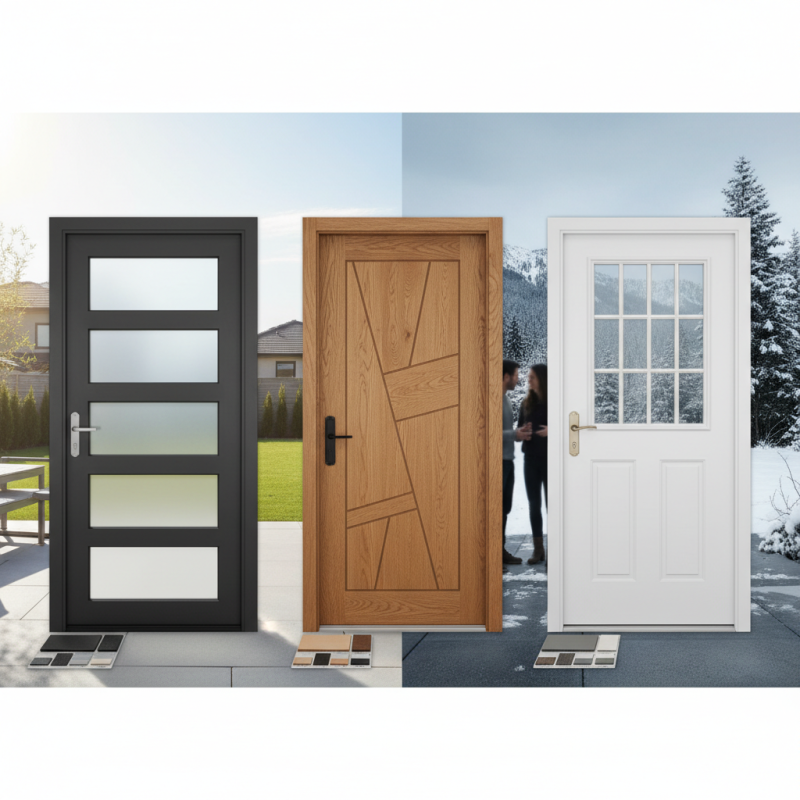
When selecting replacement doors for your home improvement project, it's essential to understand the various materials available and their respective pros and cons. According to the National Association of Home Builders, approximately 33% of homeowners prioritize door material when renovating. The most common materials include wood, fiberglass, and steel, each offering distinct advantages.
Wood doors are often lauded for their aesthetic appeal and versatility. They can be easily customized to fit any architectural style, providing warmth and natural beauty. However, they require regular maintenance to prevent warping and damage from moisture. According to industry reports, wood doors can cost homeowners an average of $1,000 to $2,500, depending on the quality and design. In contrast, fiberglass doors offer better energy efficiency and resistance to weather elements. They do not warp or crack as wood can, leading to lower maintenance costs over time. Reports indicate that fiberglass doors can provide up to a 7% increase in energy efficiency, making them a popular choice among environmentally-conscious homeowners.
Steel doors are another viable option, known for their durability and security. They can withstand harsh weather conditions and are often more economical than wood or fiberglass options, typically ranging from $500 to $1,500. However, they may not offer the same aesthetic flexibility as wood or fiberglass. Homeowners should consider their climate, maintenance preferences, and durability needs when choosing the best door material for their home improvement project. As noted in a 2022 homeowner survey, nearly 60% of respondents felt that the right door material significantly enhanced their home's overall value and appeal.
2025 How to Choose Replacement Doors for Your Home Improvement Project - Understanding Door Materials: Pros and Cons for Your Home Improvement
| Door Material |
Pros |
Cons |
Maintenance |
Cost Range |
| Wood |
Aesthetically pleasing, good insulation |
Prone to warping, requires regular maintenance |
Requires staining/painting regularly |
$200 - $1,500 |
| Steel |
Durable, secure, low maintenance |
Can dent, may rust without protective coating |
Simple cleaning with mild detergent |
$100 - $800 |
| Fiberglass |
Energy-efficient, resistant to warping |
Can be expensive, limited styles |
Clean with soap and water occasionally |
$300 - $2,000 |
| Vinyl |
Low maintenance, good insulation |
Can fade in the sun, less durable than others |
Minimal, just regular cleaning |
$200 - $1,500 |
Evaluating Energy Efficiency Ratings for Replacement Doors
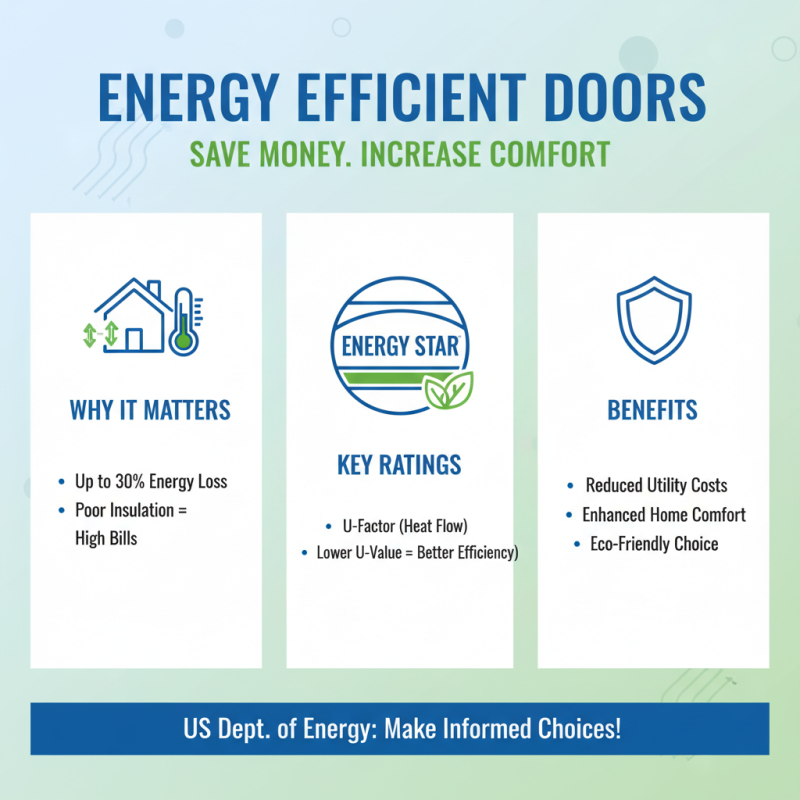
When considering replacement doors for your home improvement project, one of the most critical factors to evaluate is energy efficiency. According to the U.S. Department of Energy, doors can significantly affect a home's energy usage, with poorly insulated doors leading to up to 30% of energy loss. Therefore, understanding energy efficiency ratings, such as the Energy Star label or U-Factor ratings, can help homeowners make informed decisions that not only enhance comfort but also reduce utility bills.
Energy Star-rated doors meet stringent efficiency standards, indicating they can help reduce energy consumption. This is particularly important in climate-controlled environments, where maintaining internal temperatures can rely heavily on the effectiveness of doors. A study by the Alliance to Save Energy suggests that replacing traditional doors with energy-efficient models can save homeowners an average of $200 each year on heating and cooling costs. Additionally, the National Fenestration Rating Council (NFRC) provides essential performance metrics, including U-Factor, Solar Heat Gain Coefficient (SHGC), and Visible Transmittance (VT), which collectively give insight into how well a door insulates against heat loss, solar gain, and light.
When selecting replacement doors, it is advisable to look for models with low U-Factor ratings, ideally below 0.30, to maximize energy efficiency. Furthermore, features such as double or triple glazing with inert gas fills can significantly enhance thermal performance. Inspecting these ratings not only contributes to a sustainable home but can also elevate property value, as energy-efficient improvements are increasingly sought after in today's real estate market. By prioritizing energy efficiency in your selection process, you ensure a long-term return on investment as well as a more comfortable living environment.
Essential Measurements for Choosing the Right Door Size and Fit
When selecting replacement doors for your home improvement project, precise measurements are crucial to ensure a proper fit.
First, measure the height and width of your existing door frame. Use a tape measure to determine the width from the inside edge of the frame to the opposite side, and repeat for the height.
It’s important to measure at multiple points, as door frames can settle unevenly over time. The smallest measurement will be your guide for the new door width and height, helping you avoid any costly adjustments later.
Next, consider the thickness of the door. Standard interior doors usually range from 1 3/8 to 1 3/4 inches thick, while exterior doors are commonly thicker for improved durability and insulation.
Measure the existing door’s thickness to ensure that the replacement will fit snugly in the frame.
Additionally, examine the condition of your door hinges and locks, as existing hardware may dictate whether you need to choose a specific door style or configuration.
Carefully taking these essential measurements will lead to the perfect door that enhances both functionality and aesthetics in your home.
Design and Style Considerations for Replacement Doors in 2025
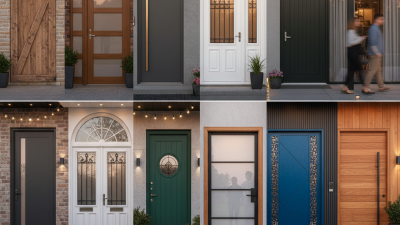
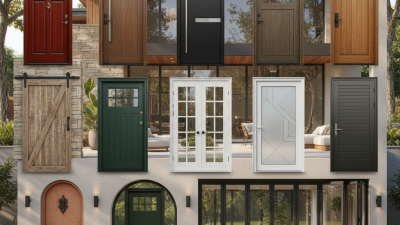
When selecting replacement doors for your home in 2025, design and style considerations play a crucial role in enhancing both aesthetics and functionality. As contemporary design trends evolve, homeowners are increasingly favoring doors that seamlessly integrate with the overall architecture of their homes. Bold colors and distinctive finishes offer a unique way to make a statement, while minimalist frames can create a sleek, modern look. Choosing materials that complement existing elements, such as brick, stone, or siding, will ensure a harmonious vibe throughout the property.
Moreover, the functionality of replacement doors is equally important. Homeowners should consider energy-efficient designs that not only contribute to a sustainable lifestyle but also reduce utility costs. Features such as double or triple glazing, proper insulation, and secure locking mechanisms can significantly enhance comfort and security. Additionally, embracing smart technology can provide convenience and improved safety, making it a wise choice for those looking to integrate modern solutions into their homes. By carefully weighing these design and style factors, homeowners can choose replacement doors that are not just aesthetically pleasing but also serve practical purposes for years to come.
2025 Replacement Door Style Preferences
Cost-Benefit Analysis: Investment in Replacement Doors vs. Home Value Increase
When considering replacement doors for your home improvement project, a thorough cost-benefit analysis is essential. Investing in high-quality replacement doors can enhance your home’s aesthetic appeal, improve energy efficiency, and boost security, all of which contribute to its overall value.
While the upfront costs can be significant, it’s important to weigh these against potential increases in home value.
Studies have shown that well-chosen replacement doors can yield a return on investment ranging from 70% to 90%, particularly in competitive real estate markets.
Additionally, the long-term savings associated with energy-efficient doors should not be overlooked.
New doors often come with advanced insulation technologies, which can reduce heating and cooling costs significantly over time.
This not only adds to the immediate financial perspective of replacing doors but also enhances the home’s marketability.
Potential buyers are increasingly looking for energy-efficient features, making your home more attractive in a saturated market.
Hence, the choice of replacement doors can serve as a strategic investment, ensuring that you get the best value for your renovation efforts while also contributing to the home’s livability and safety.