How to Choose the Right Commercial Doors for Your Business Needs
Choosing the right commercial doors for your business is a crucial decision that can impact not only the aesthetic appeal of your premises but also the security, energy efficiency, and functionality of your operations. According to industry expert John Smith, president of SecureEntry Solutions, “The right commercial doors do more than just close off a space; they enhance the overall experience for both employees and customers.” This highlights the importance of selecting doors that align with your specific business needs while also creating a welcoming environment.
When analyzing the options available, it’s essential to consider several factors, including durability, design, and compliance with safety regulations. Commercial doors come in various materials and styles, each offering unique benefits that can cater to different business types, from retail shops to industrial warehouses. Understanding your requirements and the factors that influence your decision-making process can significantly streamline your selection.
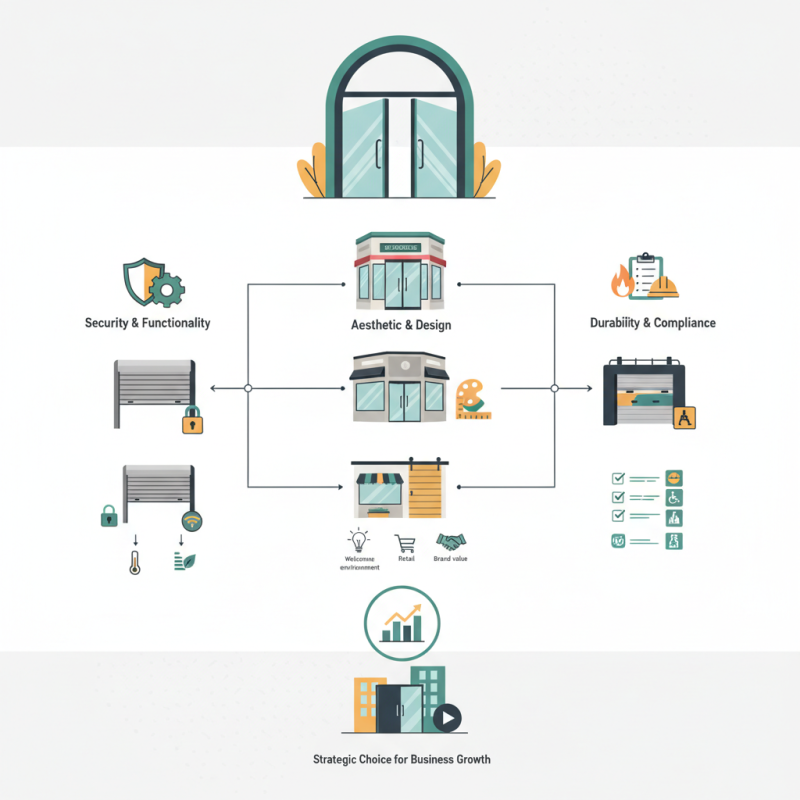
Investing time in choosing the right commercial doors is not merely about aesthetics; it is about making a strategic choice that supports your business's growth and operational efficiency. In the fast-paced commercial world, the right entryways can serve as a pivotal element that reflects your brand’s values and enhances the functionality of your space.
Understanding Different Types of Commercial Doors Available
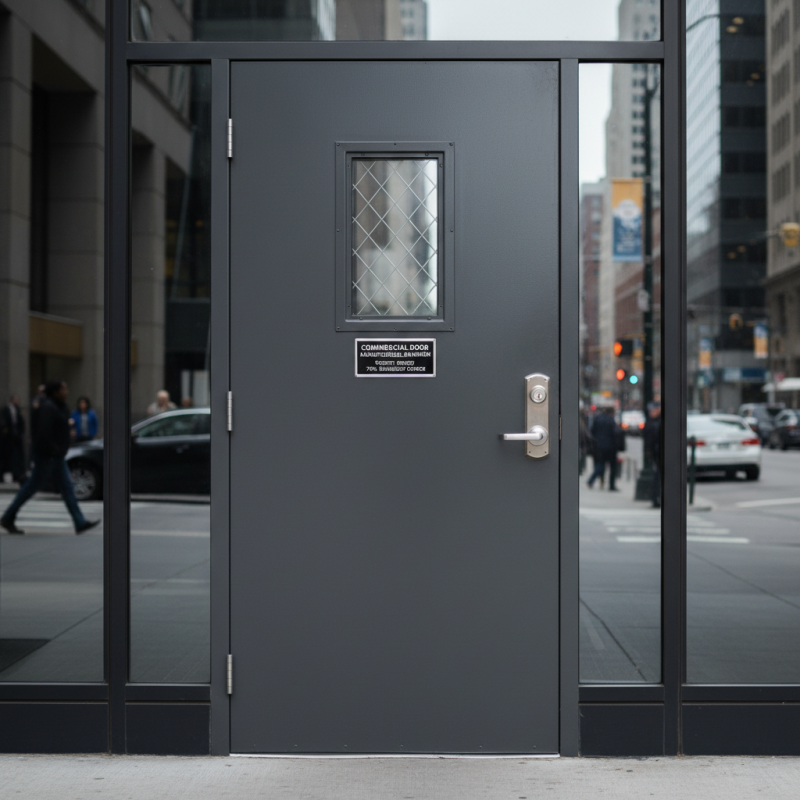
When selecting commercial doors, it's essential to understand the variety of types available to meet your business needs. Commercial doors come in various materials, such as steel, wood, fiberglass, and aluminum, each offering distinct advantages. For instance, steel doors are renowned for their strength and durability, making them ideal for high-traffic areas. According to the Commercial Door Manufacturing Association, approximately 70% of businesses prioritize security features when selecting commercial doors.
Tip: Always assess your building’s traffic flow and security needs to determine the door material that best suits your operation.
Additionally, consider different styles of commercial doors, including sliding, swinging, and bi-fold options. Sliding doors, commonly used in retail, can enhance accessibility and pedestrian flow, while bi-fold doors provide a modern appearance and efficient space usage. A report by the American Institute of Architect's Home Design Database indicates that energy-efficient doors can reduce heating and cooling costs by as much as 20%, further emphasizing the importance of selecting the right door type.
Tip: Evaluate your energy efficiency goals and choose door types with appropriate insulation ratings to save on operational costs.
Evaluating the Security Features of Commercial Doors
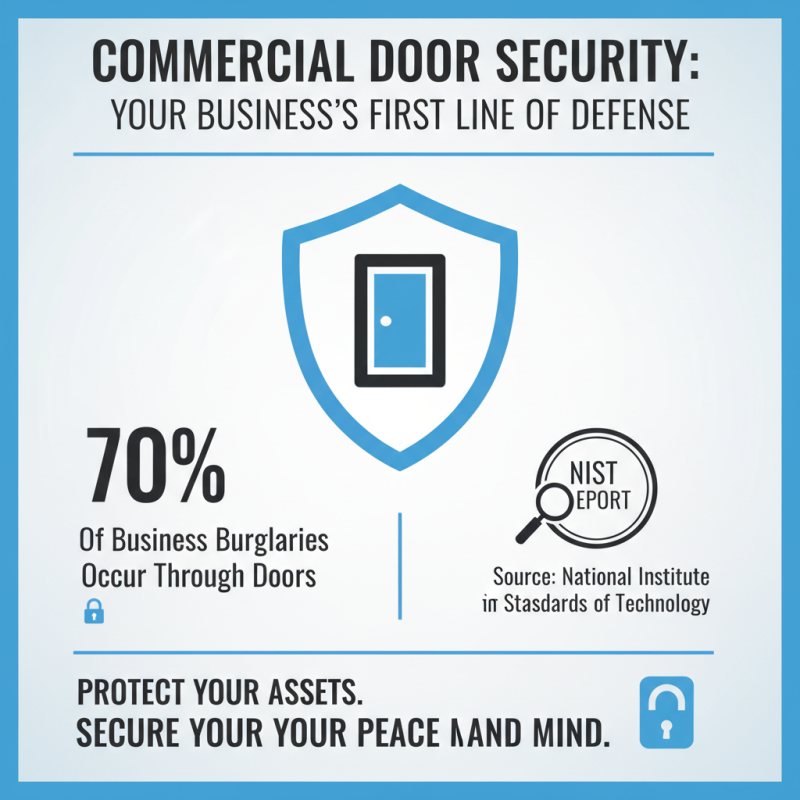
When selecting commercial doors, security features should be a top priority for business owners. A recent report by the National Institute of Standards and Technology (NIST) emphasizes that nearly 70% of all business burglaries occur through entry points like doors. This statistic highlights the critical role that robust door security plays in safeguarding assets and maintaining a safe business environment.
Notably, the material of the doors is crucial in determining their security effectiveness. Steel doors, for example, provide a formidable barrier against unauthorized entry, with the NIST report indicating that they are 30% more effective at preventing forced entries compared to wooden doors. Additionally, advanced locking mechanisms—such as electronic locks and smart access systems—are becoming standard in commercial settings, allowing for better control over who enters the premises. Investing in high-security commercial doors not only enhances physical protection but also contributes to the overall safety and reputation of the business.
Assessing Durability and Maintenance Requirements for Doors
When selecting commercial doors for your business, durability and maintenance requirements are crucial factors to consider. Durable doors are essential for protecting your premises from harsh weather conditions, unauthorized access, and daily wear and tear. Materials such as steel, fiberglass, and reinforced wood are often recommended for their strength and longevity. It's important to assess the environmental conditions your doors will face; for example, exterior doors may need enhanced weather resistance while high-traffic areas may benefit from impact-resistant designs.
Maintenance requirements also play a vital role in the long-term functionality of your commercial doors. Regular inspections and simple maintenance tasks, such as lubricating hinges and checking seals, can prevent costly repairs and extend the life of your doors. Opting for doors with low maintenance needs, such as those with finishes that resist corrosion or dirt, can save time and resources in the long run. Understanding the specific maintenance needs of different materials will help ensure that your selection not only withstands the test of time but also aligns with your operational efficiency and budget.
How to Choose the Right Commercial Doors for Your Business Needs
| Door Type |
Durability Rating |
Maintenance Frequency |
Ideal Use Case |
| Steel Door |
High |
Annually |
Warehouses, Industrial |
| Fiberglass Door |
Medium |
Every 6 months |
Shopping Malls, Offices |
| Wood Door |
Medium |
Every 6-12 months |
Retail, High-End Offices |
| Aluminum Door |
High |
Annually |
Commercial Entrances, Facades |
| Glass Door |
Low |
Every 3-6 months |
Showrooms, Restaurants |
Considering Aesthetic and Branding Aspects in Door Selection
When choosing commercial doors for your business, it's essential to consider not only functionality and security but also the aesthetic and branding aspects. A well-designed door can enhance your business's first impression and reflect your brand's identity. According to a recent industry report by the American Institute of Architects, 70% of customers believe a business's exterior greatly influences their perception of a brand. This indicates that investing in visually appealing doors can translate into a stronger customer connection and increased foot traffic.
**Tips:** When selecting a door, think about your brand colors and architectural style. For instance, if your brand evokes a sense of tradition, wooden doors with intricate designs may be the best fit. On the other hand, sleek, modern materials such as glass or metal can convey a more contemporary image. A survey conducted by the National Association of Home Builders revealed that 85% of homeowners said aesthetics played a significant role in their decision-making process, which is invaluable insight that can apply to commercial settings as well.
Ultimately, your choice of door should align with your brand narrative. Incorporating logos or unique design elements can further reinforce your brand’s identity. An aesthetically pleasing door not only attracts customers but also communicates your commitment to quality and professionalism, translating aesthetic value into business success.
Commercial Door Types and Their Impact on Business Aesthetics
Budgeting for Purchase and Installation of Commercial Doors
When it comes to budgeting for the purchase and installation of commercial doors, businesses must consider several factors that can significantly impact overall costs. According to a report by the Door & Access Systems Manufacturers Association (DASMA), the average commercial door can range from $1,000 to $5,000, depending on materials, designs, and functionality. This price range often changes based on the specific needs of the business, such as enhanced security features or energy-efficient designs, which can lead to higher upfront costs but valuable long-term savings.
Installation costs can also vary widely, with industry estimates suggesting that labor charges can add an additional 15-25% on top of the door's purchase price. Businesses should also factor in the potential cost of modifications to the existing entryway structure, which may necessitate additional labor and materials. For instance, retrofitting a space for a new doorway can easily increase costs. To get the best return on investment, it is crucial to assess the total lifecycle expenses of the doors, considering both installation and maintenance, which typically averages about 5-10% of the initial door price annually. Adhering to a well-planned budget while choosing the right commercial doors can ensure that the investment supports the specific operational needs of the business.