2026 Best Commercial Doors for Global Buyers Questions Answered
The commercial doors market is evolving rapidly. According to a recent industry report, the global commercial doors market is expected to reach USD 18 billion by 2026. This growth is driven by advancements in technology and increasing construction activities worldwide.
Commercial doors play a crucial role in building security and energy efficiency. They need to meet specific standards to ensure durability and functionality. Heat insulation and noise reduction are also important features. However, choosing the right commercial door can be challenging. With many options available, buyers must consider factors like material, design, and budget.
Industry experts highlight the need for thorough research. It’s vital to select doors that align with both aesthetic and practical requirements. Many businesses overlook maintenance costs, which can add up over time. Understanding these aspects will help buyers make informed decisions in the dynamic commercial doors market.
Overview of Commercial Door Types for Global Buyers
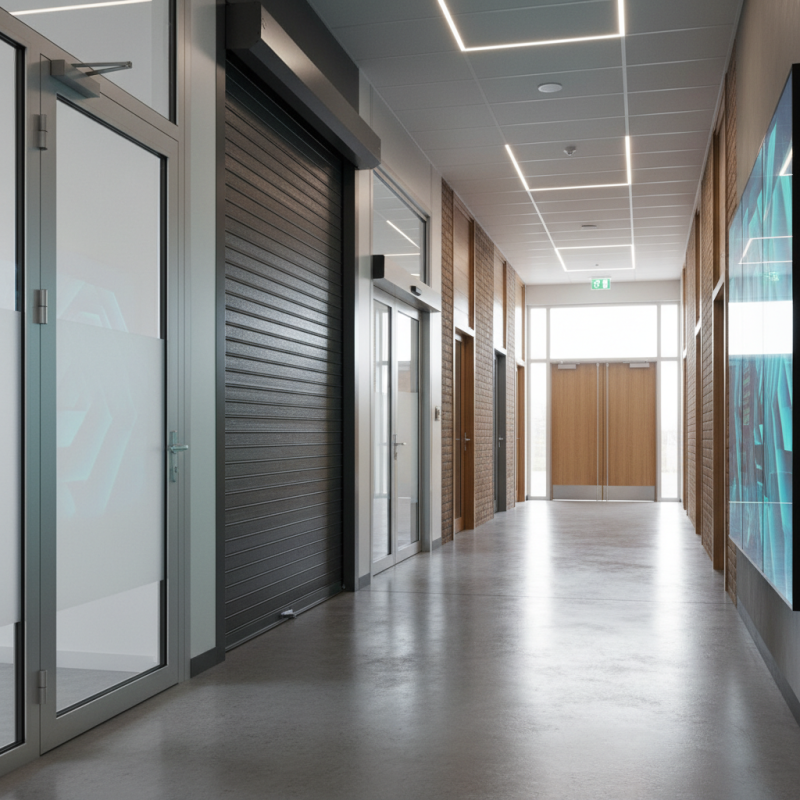
When considering commercial doors, it's essential to know the various types available. Global buyers often face confusion about the features and benefits of these doors. According to a report from the International Door Association, the commercial door market is projected to reach $10 billion by 2026. This growth emphasizes the need for clarity in choices.
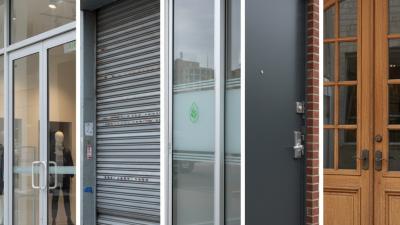
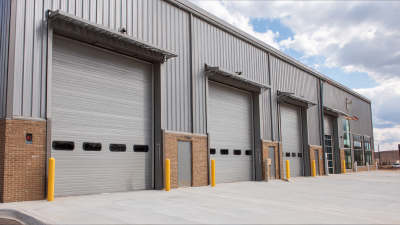
There are several types of commercial doors, including roll-up doors, sliding doors, and swing doors. Roll-up doors are prized for their space efficiency. However, they may require more maintenance compared to other types. Sliding doors are known for energy efficiency but can be costly to install. Swing doors, while easy to use, may not fit every commercial layout. Buyers need to assess their specific needs and the operational environment.
Understanding door materials is crucial too. Steel, aluminum, and fiberglass each serve different functional requirements. A report from Frost & Sullivan noted that steel remains the most popular choice due to its durability. Yet, it can be heavy and may lead to higher installation costs. Fiberglass is lighter and resistant to corrosion, making it a solid option for coastal regions. Each material comes with trade-offs that necessitate detailed consideration by buyers.
Key Features to Consider When Choosing Commercial Doors
When choosing commercial doors, several key features come into play. Durability is paramount. Look for materials that can withstand heavy usage and harsh conditions. Steel and fiberglass doors tend to excel in this area. They resist wear and tear better than wooden doors.
Security is another consideration. High-security locks, reinforced frames, and impact-resistant glass can enhance your protection. Consider the environment too. For instance, exterior doors need weather resistance. They should be able to handle rain, snow, and wind effectively.
**Tip:** Always assess your specific needs. Not every door suits every business. A restaurant may need fire-rated doors, while an office may prioritize aesthetics.
The design of the door can affect your building’s appearance. Choose a style that complements your brand. Functionality should not compromise visual appeal.
**Tip:** Don’t overlook installation. Proper fitting impacts performance. Poorly installed doors can lead to energy loss and safety hazards. Always consult an expert for installation advice.
Popular Materials Used in Commercial Door Manufacturing
When considering commercial doors, the choice of materials significantly impacts durability and performance.
Steel is a popular option for its strength and resilience. It withstands heavy use and harsh weather conditions, making it ideal for warehouses and industrial buildings. However, steel doors can rust if not properly treated. Regular maintenance is essential to prolong their lifespan.
Another common material is fiberglass. This lightweight option resists dents and corrosion well. It can mimic the appearance of wood, providing an attractive finish. While fiberglass doors offer excellent insulation, their cost can be higher compared to steel. Buyers should weigh the initial investment against long-term benefits.
Wood doors provide a classic look that many businesses desire. They can be customized in various styles and finishes. However, wood may require more upkeep and is vulnerable to environmental damage. Without proper sealing, wood can warp or develop mold.
Potential buyers should consider climate conditions when choosing wood. Understanding each material's merits and challenges is crucial in making an informed decision.
Emerging Trends in Commercial Door Design for 2026
As businesses prepare for 2026, commercial door designs are evolving to meet new standards. Key trends indicate a move toward sustainability and energy efficiency. Reports suggest that up to 40% of commercial energy consumption can be linked to doors and windows. Advanced materials, such as recycled composites and energy-efficient glass, are gaining popularity in designs.
Another emerging trend is the integration of smart technology. Doors equipped with IoT sensors enhance security and monitoring. They help businesses manage access while collecting valuable data for efficiency analysis. According to recent studies, smart doors can reduce maintenance costs by up to 30%.
Tip: When selecting commercial doors, consider durability and maintenance flexibility. Regular inspection and upgrades can prevent costly repairs. Adopting sustainable materials also reflects a commitment to environmental responsibility. Exploring options that incorporate smart features may provide long-term benefits for businesses.
Top Brands and Manufacturers of Commercial Doors Worldwide
When it comes to commercial doors, selecting the right brand is crucial. The global market offers various options, each with unique features. Many manufacturers focus on durability and security, while others prioritize aesthetics and functionality. This diversity can be overwhelming. Buyers need to assess their specific needs before making a purchase.
Some brands excel in energy efficiency, making them ideal for eco-conscious businesses. Others provide advanced locking systems, appealing to those who prioritize safety. However, not all brands have consistent quality. A well-researched selection process can ensure reliable products. Reading customer reviews can offer valuable insights into performance.
Understanding local regulations also plays a role. What works in one region may not meet standards elsewhere. This adds another layer of complexity for international buyers. Choosing a reputable manufacturer is essential. Their experience in the industry often translates to better customer support and product longevity. The right door not only secures a space but also enhances the overall image of a business.