2025 Top Trends in Commercial Garage Doors: Innovate Your Business Space
In the ever-evolving landscape of commercial real estate, the significance of innovative infrastructure cannot be overstated. As businesses seek to enhance operational efficiency and customer experience, the choice of commercial garage doors playing a pivotal role has come into sharper focus. Industry expert Mark Johnson, a leading authority in commercial door design and manufacturing, notes, "The right commercial garage doors not only provide security but also optimize workflow and enhance the overall aesthetic of the business environment."
As we approach 2025, the trends shaping commercial garage doors are driven by technological advancements, sustainability considerations, and evolving design preferences. Businesses are increasingly recognizing that their choice of garage doors can impact everything from energy efficiency to branding. This article explores the top ten trends that are expected to define the commercial garage door industry in the coming years, offering insights into how businesses can leverage these trends to innovate their spaces and improve functionality.
Understanding these trends is crucial for business owners and operators looking to stay ahead in a competitive market. The innovations encapsulated within the commercial garage door sector not only promise enhanced operational capabilities but also support a more sustainable and engaging business environment.
Innovative Materials: The Future of Durability and Sustainability in Garage Doors
The landscape of commercial garage doors is evolving rapidly, driven by a demand for durability and sustainability. Innovative materials are at the forefront of this transformation, ensuring that businesses not only meet functional requirements but also adhere to environmental standards. Advanced composites and recycled materials are becoming increasingly popular, offering superior strength and resistance to wear while minimizing the ecological footprint of production.
These new materials are designed to withstand the rigors of daily use, reducing the need for frequent replacements and maintenance. Additionally, manufacturers are exploring options like insulated doors made from environmentally friendly materials, which enhance energy efficiency and contribute to overall cost savings for businesses. As companies prioritize sustainability, the integration of these innovative materials helps them achieve their green goals while also creating a more resilient and long-lasting garage door solution that supports their operational needs.
Smart Technology Integration: Enhancing Security and Convenience in Commercial Spaces
The integration of smart technology into commercial garage doors is revolutionizing how businesses manage their security and convenience. As companies shift towards more automated solutions, features such as remote access control, mobile app integration, and advanced monitoring systems have become increasingly prevalent. These innovations not only streamline operations but also provide business owners with real-time updates and alerts, ensuring that their premises are secure at all times.
Moreover, smart commercial garage doors can enhance user experience by incorporating features like motion sensors and automated opening mechanisms. This accessibility allows employees and clients to navigate the space effortlessly, reducing wait times and improving overall efficiency. Furthermore, the ability to program specific access codes or time schedules enhances security protocols while minimizing the risk of unauthorized entry. In this evolving landscape, businesses that embrace these smart technology integrations will not only improve their operational efficiency but also create a safer and more convenient environment for their stakeholders.
Energy Efficiency Trends: Reducing Operational Costs with Advanced Garage Door Solutions
The evolution of commercial garage doors is increasingly focusing on energy efficiency, crucial for modern businesses aiming to reduce operational costs. Advanced materials and insulation technologies are now designed to minimize heat loss, leading to substantial energy savings. For instance, insulated garage doors not only enhance thermal performance but also contribute to a more comfortable work environment, allowing businesses to maintain optimal temperatures with less reliance on heating and cooling systems.
Additionally, smart technology integration is revolutionizing how businesses manage their garage doors. Automated systems equipped with sensors and connectivity allow for real-time monitoring of energy usage, enabling companies to identify inefficiencies and optimize their operations. By analyzing usage patterns and adjusting settings accordingly, businesses can significantly lower their energy consumption while also improving security and accessibility. These innovations not only help reduce operational costs but also align with broader sustainability goals, making energy-efficient garage doors a wise investment for the forward-thinking enterprise.
Design Aesthetics: Elevating Business Image Through Modern Garage Door Styles
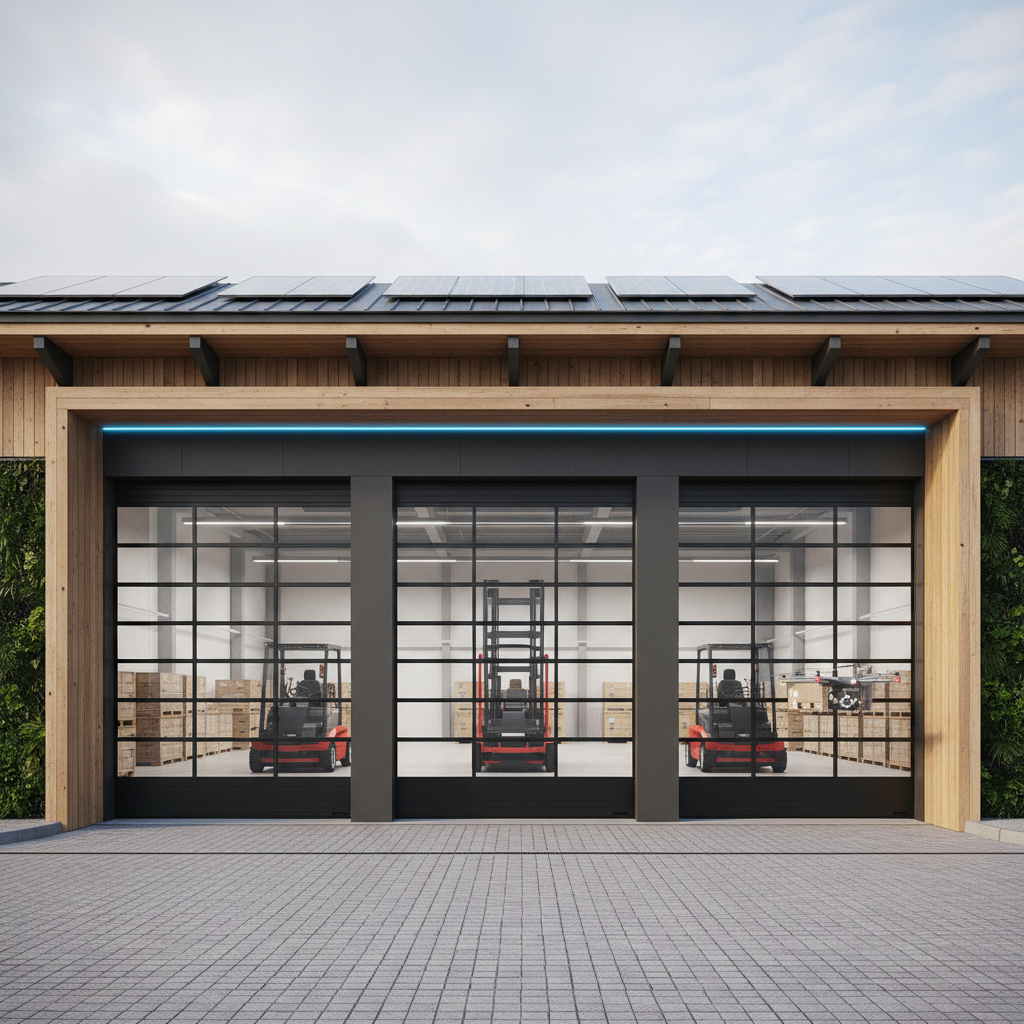
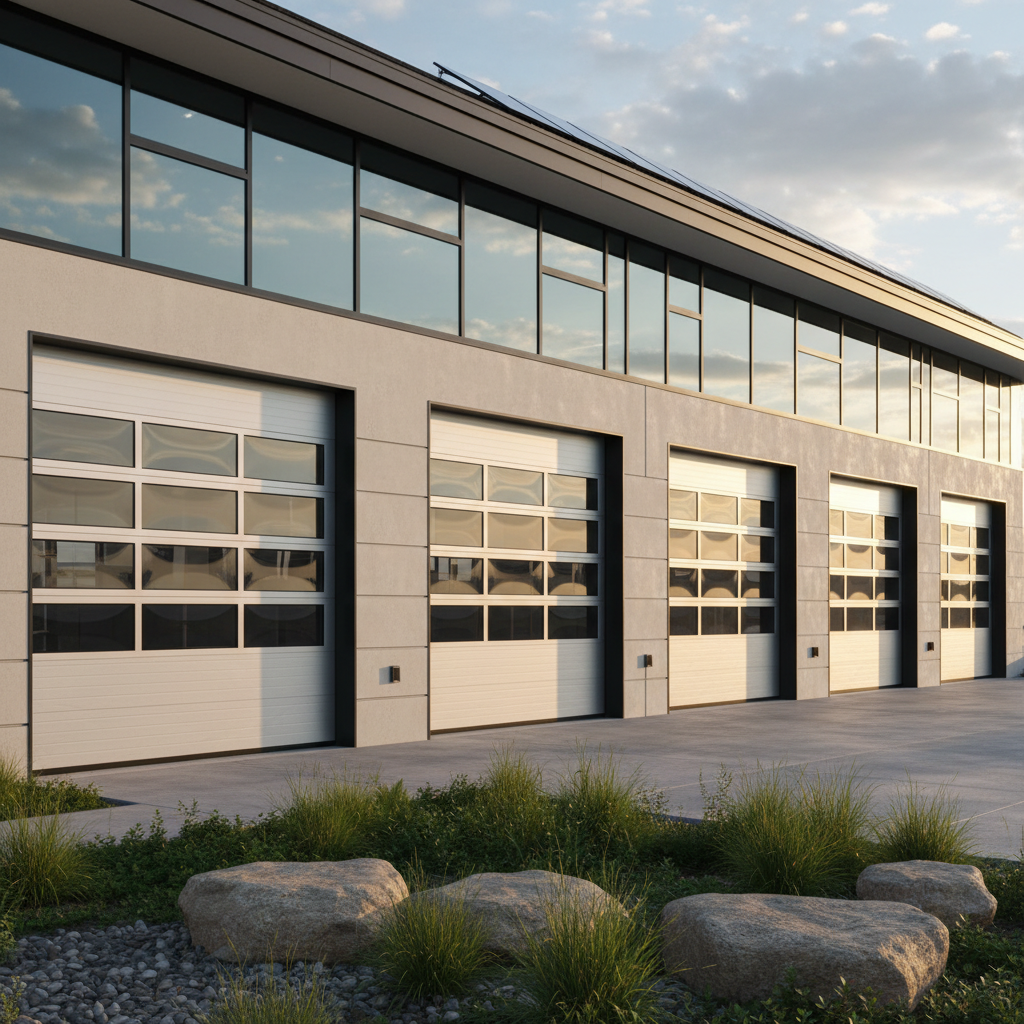
Design aesthetics play a crucial role in shaping a business's image, and modern garage door styles have emerged as a significant element in this regard. According to a report from Grand View Research, the global commercial garage door market is expected to reach $39.8 billion by 2025, driven largely by innovations in design and functionality. Businesses are increasingly recognizing that their choice of garage doors can reflect their brand values and enhance customer perceptions. Sleek, contemporary designs made from materials such as glass and high-quality steel are not only durable but also contribute to a professional appearance that appeals to clients and partners alike.
Moreover, energy efficiency and automated systems are becoming standard in the latest garage door designs, further enhancing their appeal. The International Door Association highlights that businesses upgrading to modern garage doors can achieve up to a 20% reduction in energy costs, aligning with growing sustainability trends. These advancements allow companies to not only elevate their visual appeal but also promote operational efficiency. As businesses evolve, investing in innovative garage door solutions demonstrates a commitment to sophistication, functionality, and forward-thinking, which are essential in today’s competitive landscape.
Customizable Features: Tailoring Garage Doors to Meet Specific Business Needs
Customizable features in commercial garage doors
have become essential for businesses seeking to enhance their operational efficiency and aesthetic appeal. With advancements in technology and design, business owners can now tailor garage doors to meet their specific requirements. This flexibility allows for the integration of unique functionalities, such as temperature control, enhanced security measures, and specialized openings that cater to various vehicles and equipment.
Furthermore, businesses can choose materials, colors, and finishes that align with their branding and architectural style. For instance, a modern warehouse might benefit from sleek, insulated doors that minimize energy loss, while a retail space could opt for glass panels that create a welcoming atmosphere. By investing in customizable garage doors, companies not only improve their functional spaces but also reflect their brand identity, ultimately attracting more customers and creating a more efficient workflow.