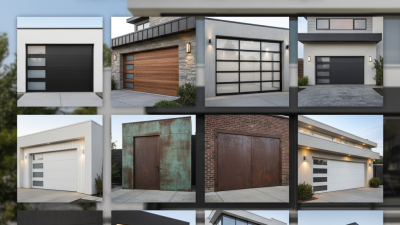
Why Choose Residential Garage Doors for Your Home?
Choosing residential garage doors is about more than covering a vehicle. It affects security, comfort, energy use, and the visual character of your home. In many houses, the garage door is the largest moving feature facing the street. Its color, panels, windows, and hardware can change the entire exterior impression.
Modern residential garage doors offer practical choices for different climates and budgets. Insulated steel doors can help reduce temperature changes inside an attached garage. This may improve comfort in nearby rooms, especially during hot summers or cold winters. Durable tracks, reinforced panels, and reliable openers can also support safer daily operation. Quietly. Every day. However, performance depends on correct sizing, balanced springs, and professional installation. A strong door can still create problems when its moving parts are poorly adjusted.
Security deserves careful attention. Look for tested locking systems, automatic reversal features, and openers with rolling-code technology. Ask installers about local building requirements and manufacturer instructions. These details are easy to overlook, yet they influence long-term reliability. Regular checks can reveal loose bolts, worn rollers, damaged seals, or unusual sounds before a small issue becomes expensive.
No residential garage doors are perfect for every property. A decorative wood finish may require more maintenance than steel. Large glass sections can brighten a garage but may reduce privacy. The best choice balances appearance, insulation, safety, weather resistance, and realistic upkeep. With professional guidance and honest evaluation, homeowners can choose a door that works well—not merely one that looks impressive on installation day.
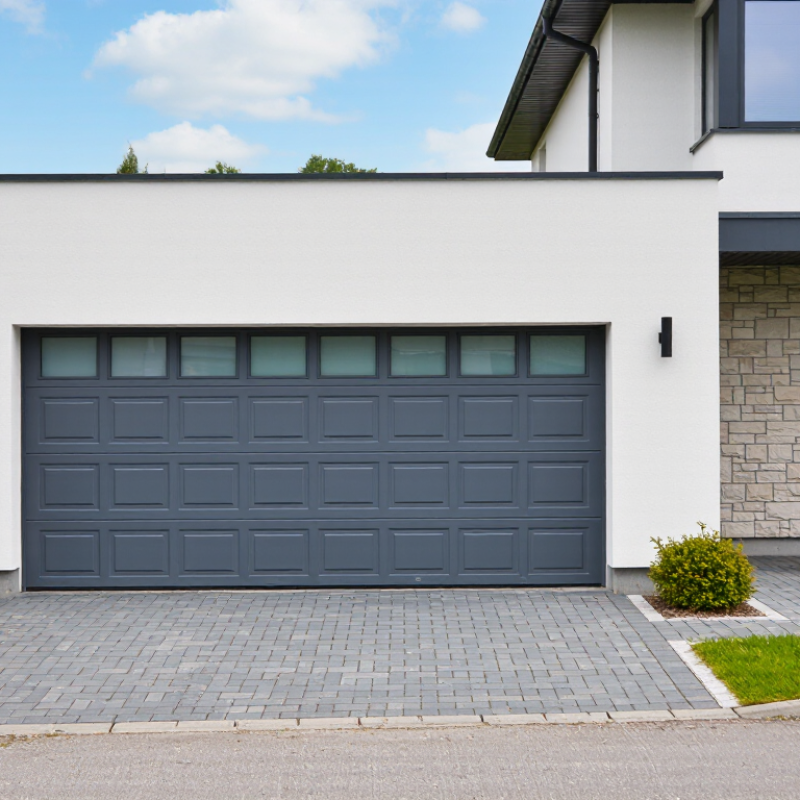
What Are Residential Garage Doors and How Do They Work?
A residential garage door is a movable barrier that protects a home’s garage opening. It usually covers vehicles, tools, bicycles, and storage areas. Common materials include steel, aluminum, wood, and composite panels. The door travels along metal tracks with rollers, moving upward and settling horizontally beneath the ceiling. Some designs swing outward, but sectional doors are widely used because they save driveway space.
Its weight is balanced by springs, cables, drums, hinges, and rollers. A torsion spring above the door stores energy as the door closes. That energy helps lift the panels when the opener starts. The electric opener pulls the door with a rail, belt, chain, or screw mechanism. Wall controls and remote transmitters send the operating signal. Safety sensors near the floor detect people, pets, or objects. If their invisible beam breaks, the door should reverse.
Insulated panels can reduce heat transfer and outdoor noise. Weather seals around the bottom and frame help block rain, dust, and cold air. The explanation is not perfectly simple. A door may look secure while worn rollers create dangerous resistance. In regular use, listen for grinding, shaking, or delayed movement. Keep tracks clean, but do not bend or lubricate them casually. Never adjust a spring yourself. A trained technician should inspect cables, spring tension, automatic reversal, and mounting hardware. Small faults often become expensive when ignored.
What Benefits Do Residential Garage Doors Provide for Homeowners?
Residential garage doors do more than close a vehicle bay. They protect tools, bicycles, seasonal storage, and daily routines from weather and unwanted access. A well-fitted door can reduce drafts around the garage, helping nearby rooms feel more comfortable. Insulated panels may also support steadier indoor temperatures, especially when the garage shares a wall with living space. Small difference, noticeable over time.
Safety is another practical benefit. Modern systems often include sensors that stop or reverse movement when an object crosses the opening. Strong springs, secure tracks, and regular inspections matter just as much. In my experience, homeowners often notice problems through unusual noise first. A grinding sound, uneven lifting, or a door that drops quickly deserves professional attention. Convenience matters too. Automatic opening saves time during rain, while a properly balanced door reduces strain on the opener. Still, automation is not a substitute for maintenance.
Tips: Measure the opening carefully before choosing a replacement. Check the door’s insulation value, wind resistance, safety features, and noise level. Ask a qualified installer to inspect the frame and spring system. Keep the remote secure, and test the safety reversal function monthly. Wipe dirt from tracks, but do not adjust springs yourself. That task can be dangerous. One overlooked issue is lighting; a brighter garage improves visibility when carrying groceries or searching for tools. Avoid choosing only by appearance. A beautiful door can disappoint if its construction, fit, or service access is poor.
Which Residential Garage Door Materials and Styles Are Available?
Why Choose Residential Garage Doors for Your Home?
Material and style should match your home’s climate, structure, and daily use. Steel remains a practical choice because it resists warping and offers strong security. Insulated steel doors also reduce heat transfer through the garage ceiling and walls. However, thin steel panels can dent, especially on busy driveways.
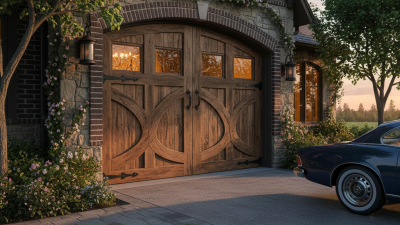
Wood creates natural texture and suits craftsman, farmhouse, and traditional homes. It needs regular sealing, though. Without maintenance, moisture can cause swelling or peeling. Aluminum is lightweight and corrosion-resistant, making it useful near coastal areas. Its panels can dent more easily. Fiberglass and vinyl provide lower-maintenance alternatives, but color fading and replacement costs deserve attention.
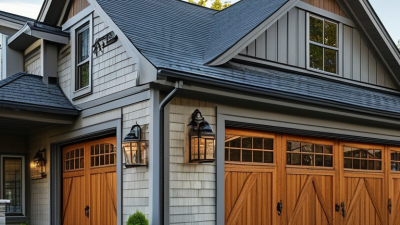
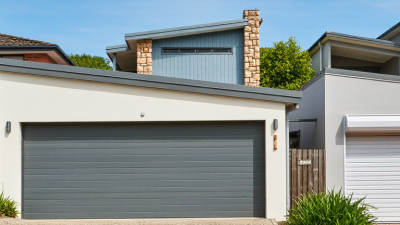
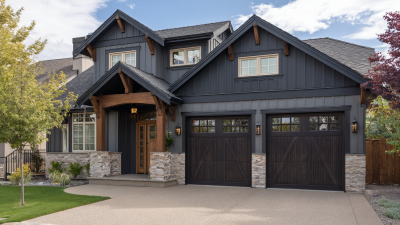
Available styles include raised-panel, carriage-house, flush-panel, and full-view designs. Raised panels feel familiar, while carriage-house doors add decorative hinges and window details. Flush panels support clean, contemporary façades. Full-view doors use large glass sections and slimmer frames, bringing daylight into the garage. Choose privacy glass when the garage faces a sidewalk.
The Door and Access Systems Manufacturers Association recommends checking wind-load requirements, hardware quality, and installation conditions. These details matter more than appearance alone. Zonda’s 2024 Cost vs. Value Report recorded a 193.9% cost recoup for garage door replacement, based on its surveyed market data. That figure is encouraging, but regional labor and material prices vary sharply. A beautiful door can still perform poorly if the tracks are misaligned. Small details matter.
Why Choose Residential Garage Doors for Your Home?
Which Residential Garage Door Materials and Styles Are Available?
Residential garage doors are available in steel, wood, aluminum and fiberglass. Insulated construction generally provides better thermal performance, while the final appearance can range from traditional raised-panel designs to modern flush-panel, carriage-house and full-view styles.
The chart shows typical insulation R-value ranges for common residential garage door constructions. Actual performance varies according to panel thickness, insulation type, glazing and weather seals. Steel doors commonly offer the widest range of insulated options, wood doors provide a natural appearance, aluminum and glass support contemporary full-view designs, and fiberglass is often selected for low-maintenance styling.
How Should You Choose the Right Garage Door for Your Home?
Why Choose Residential Garage Doors for Your Home?
How Should You Choose the Right Garage Door for Your Home?
Choosing a residential garage door should begin with measurements, not appearance. Measure the opening, headroom, side clearance, and interior depth twice. Small errors can create costly installation problems. A qualified installer should also check the framing, tracks, springs, and opener compatibility. This practical inspection reflects experience, not just catalog specifications.
Climate should guide the door’s construction. In cold regions, insulated steel or composite doors can reduce heat transfer near attached living spaces. Compare the stated R-value carefully, because testing methods may differ between manufacturers. A higher number is not automatically better. The U.S. Department of Energy recommends evaluating the whole building envelope, including air leakage and weatherstripping. That matters. In coastal or storm-prone areas, verify the required wind-load rating against local building codes. Safety features must also meet recognized residential door and opener standards, including automatic reversal protection.
Appearance still affects long-term value. The 2024 Cost vs. Value Report recorded about 194% cost recouped for garage door replacement, although local markets vary sharply. Treat that figure as guidance, not a promise. Choose window placement, panel texture, and color alongside your home’s roof and siding. Consider spring-cycle ratings and replacement access, too. A door used several times daily may need stronger hardware. I would not select the cheapest option without checking service records, warranty terms, and maintenance needs. A quiet, properly balanced door often feels more valuable than a decorative upgrade.