What Are the Top Types of Quality Garage Doors in 2026?
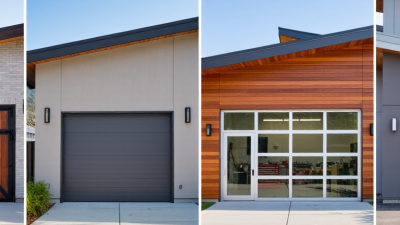
In 2026, choosing quality garage doors means balancing security, insulation, appearance, and the demands of daily use. The right door can soften street noise, steady indoor temperatures, and make a plain facade feel finished. But no single material suits every home. Steel is practical and widely available; wood offers warmth but asks for more upkeep. Aluminum and glass create a modern look, while composite doors can mimic wood with less routine maintenance.
The 2025 Remodeling Cost vs. Value report estimated a national average garage-door replacement cost of $4,672 and a resale value of $12,507. That is an estimated 267.7% cost recouped—not a promise of profit, and not a guarantee for every location. This Old House contractor Tom Silva has described the garage door as “the largest moving object in the home.” It deserves careful attention. Insulation ratings, wind-load requirements, hardware quality, and professional installation all affect real-world performance.
A showroom sample can look sturdy under bright lights, yet the door’s tracks, seals, springs, and finish face years of weather and use. Details matter. This guide compares the top types of quality garage doors for 2026, including their strengths, trade-offs, and best-fit situations. Some claims are easy to overstate; a higher price alone does not prove better value. Check the product specifications, warranty terms, and local conditions before deciding.
Sectional Garage Doors: Design, Materials, and Everyday Use
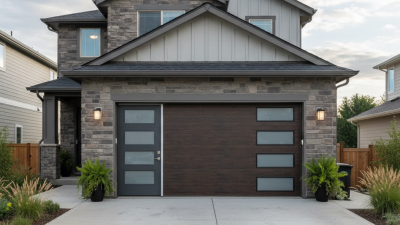
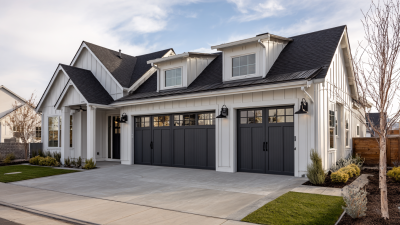
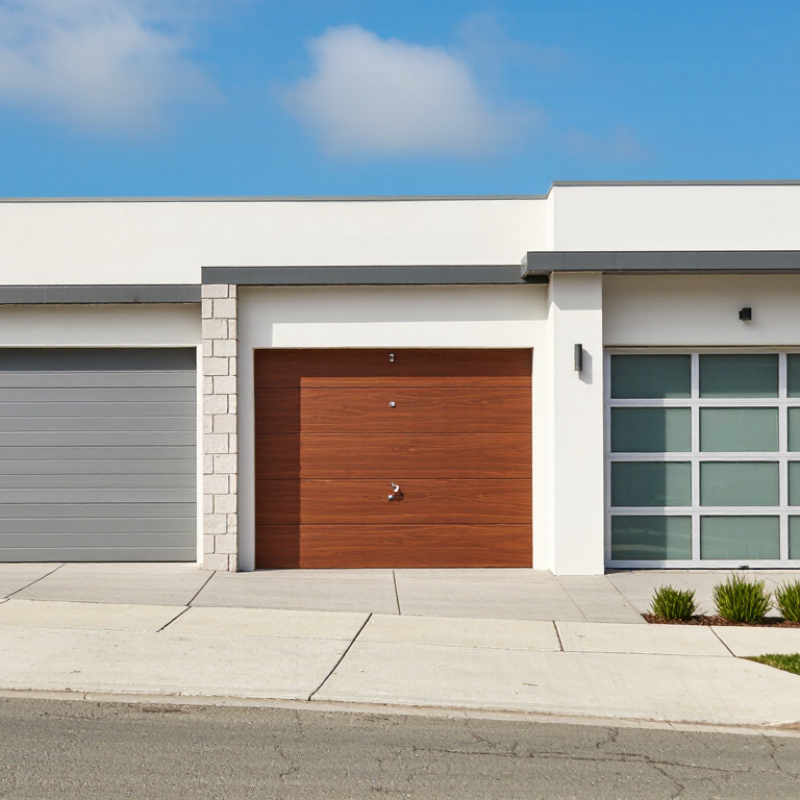
Sectional garage doors move upward along tracks, with hinged panels bending overhead as the door opens. This design suits many homes because it leaves the driveway clear. That matters daily. Panel thickness, track alignment, and balanced springs affect smooth operation, not just appearance.
Steel panels are durable and relatively easy to maintain, though dents and damaged coatings can expose metal to moisture. Aluminum is lighter and resists rust, but may dent more easily. Wood offers natural texture and can be repainted, yet it needs regular care as weather and humidity change. Insulated panels can reduce heat transfer and soften operating noise. The result depends on the full construction, not insulation alone. Check panel edges, seals, and finish quality.
In everyday use, the door should travel evenly and stop without jerking or scraping. Keep tracks clear, and ask a qualified technician to inspect springs and cables; these parts carry significant tension. Safety sensors should reverse the door when an object interrupts their path. A useful test is to place a small object in the closing path and confirm the door reverses, following the door’s manual. Insulation does not fix a poorly sealed opening, and even a well-built door can become noisy if its hardware is neglected. A little upkeep helps, though it cannot prevent every repair.
Roll-Up Garage Doors: Compact Construction and Durability
Roll-up garage doors suit garages where ceiling space is limited. Their slats coil above the opening instead of traveling along overhead tracks, leaving room for lights, storage, or a high vehicle roof. The compact layout can also help on a narrow driveway. No swinging panel to clear. Steel slats are common, but thickness, protective coating, and installation quality affect how well a door resists dents and corrosion.
Durability depends on more than the door curtain. Tracks must stay aligned, and the spring or counterbalance system needs periodic inspection. A gritty sound, uneven movement, or visible rust deserves attention before it becomes a bigger repair. In damp or coastal settings, ask how the finish handles moisture and salt. Roll-up doors can be sturdy, but they are not maintenance-free; that is easy to forget when the door opens smoothly for years.
Tips: Measure headroom and side clearance before choosing a model. Keep the guides clear of leaves and grit, and follow the installer’s service schedule. Never adjust a tensioned spring yourself.
Side-Hinged Garage Doors: Traditional Access and Modern Options
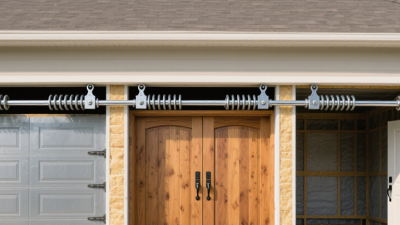
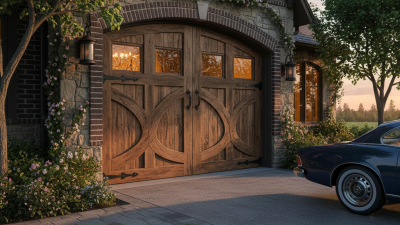
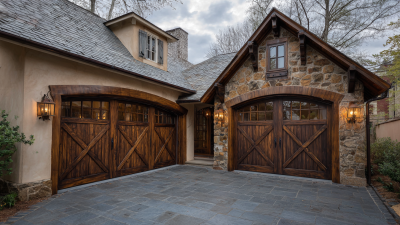
Side-hinged garage doors open like a pair of broad doors, giving direct access without lifting the full door. Quiet, simple, and tactile. They suit garages where frequent foot access matters, and they leave the ceiling clear of overhead tracks. Check the swing area carefully: a parked car, narrow path, or deep snow can make outward-opening leaves awkward. Measure before choosing.
Modern options include insulated steel, timber, and composite panels, plus improved seals and secure multipoint locks. Specify weatherstripping at the meeting edges and frame; small gaps can admit drafts and rain. Automation may be available, but compatibility depends on the door’s design and installation. The details matter. A well-made door can still bind if the frame is out of square, so ask an installer to check the opening and hardware.
The 2024 Cost vs. Value report from Remodeling and Zonda estimates a national average of $4,513 for garage-door replacement, with $8,751 in resale value, or 194% cost recouped. This covers a general replacement project, not side-hinged doors specifically, so treat it as context rather than a forecast. I would not treat that number as a promise. Compare quotes that list materials, insulation, seals, and fitting work separately.
Tilt-Up Garage Doors: One-Piece Design and Space Requirements
Tilt-up garage doors move as one solid panel, rotating outward before rising over the garage opening. Their simple, track-light design can leave the ceiling less crowded than some sectional systems. The panel also creates a clean, uninterrupted exterior surface. But that motion needs room. A parked car, narrow driveway, walkway, or street close to the door may limit safe operation.
Measure the door opening, ceiling height, and space in front of the garage before choosing this style. The panel’s lower edge swings outward, so allow clear space beyond the opening; exact clearance depends on the door’s size and hardware. Check for ceiling lights, storage racks, and beams along its travel path, too.
Small obstructions matter.
A qualified installer can assess the frame, lifting mechanism, and spring support, since the heavy panel must be balanced correctly. I have seen space estimates based only on the closed door cause avoidable surprises.
That detail is easy to miss. Tilt-up doors may suit garages with a clear approach and enough overhead room, but they are less convenient where vehicles or pedestrians regularly pass close by.
How to Compare Garage Door Types for Quality and Performance in 2026
In 2026, compare garage doors by construction, insulation, hardware, and fit—not appearance alone.
Sectional steel doors suit many homes because their panels can include foam insulation and replaceable weather seals. Check the stated R-value, but remember that panel edges and installation gaps affect comfort. Small gaps matter. A well-insulated door can still feel drafty when seals are worn or the frame is out of square.
Solid wood offers a substantial look and can be repaired, but it needs regular upkeep and may swell with moisture. Aluminum-and-glass doors admit daylight and resist rust, though large glass sections can reduce privacy and insulation. Fiberglass is relatively light, but ask how its finish handles your local sun and temperature changes.
No material wins everywhere. I would not choose by a showroom sample alone.
For performance, compare wind-load ratings, spring cycle ratings, track strength, and the quality of perimeter seals. These details affect durability and daily operation. Ask for documented specifications, not just phrases like “heavy duty.” If possible, inspect the door while it opens: listen for scraping, watch for uneven movement, and check whether the bottom seal meets the floor evenly. Installation matters, too; even a strong door can underperform when the opening is measured poorly. One detail is easy to miss: confirm that the door’s weight and spring system are suitable for the opener.