What Are the Top 10 Types of Steel Garage Doors?

Steel garage doors come in more styles and constructions than a row of matching panels might suggest. Some have clean, flush faces; others feature raised panels, narrow ribs, or carriage-house details that resemble swing-out barn doors. Looks matter, but they are only part of the choice. A door’s steel thickness, insulation, finish, and hardware affect how it handles daily use and changing weather.

This guide examines ten common types, from traditional raised-panel and ribbed designs to modern full-view and carriage-house styles. The categories can overlap: a carriage-house door, for example, may also be insulated or built with windows. That distinction is easy to miss. We compare each type by appearance, practical features, maintenance, and fit for different homes, rather than treating one style as best for everyone. A basketball can leave a mark on a thin panel, while road salt and damp air can challenge a worn finish. Small details count. Climate, budget, opening size, and personal taste should all shape the decision. Even then, no overview can replace checking a specific door’s construction and warranty. The right choice balances curb appeal with the everyday realities of noise, temperature, upkeep, and durability.
What Are the Top 10 Types of Steel Garage Doors?

How Steel Garage Doors Are Classified by Operation, Construction, and Style

Steel garage doors can be classified in three practical ways: how they open, how their panels are built, and how their faces look. The five common operating types are sectional, roll-up, side-hinged, sliding, and tilt-up. Sectional doors travel on ceiling tracks, while roll-up doors coil above the opening. Side-hinged doors swing outward, so they need clear space in front. Sliding doors move along a wall, and tilt-up doors pivot outward before lifting. Space matters.

Construction Construction changes weight, insulation, and durability. A single-layer door uses one steel sheet and is usually lighter, but it offers little thermal protection. Double-layer doors add a backing layer, while insulated triple-layer models sandwich insulation between steel skins. That extra mass can help reduce heat transfer and soften street noise, though installation must suit the door’s weight and hardware.

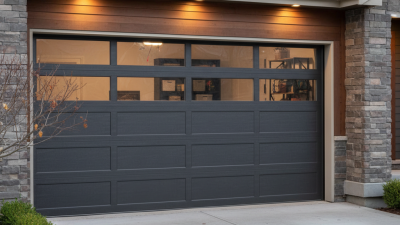
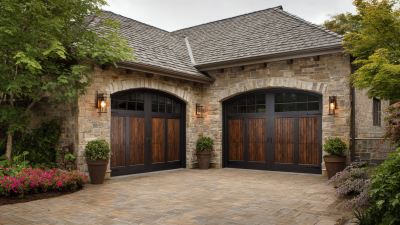
Style Style is mainly about the visible surface. Flush-panel doors have broad, flat faces that suit simple exteriors. Carriage-house doors borrow the look of traditional swing doors, often with decorative handles or window inserts, while still operating overhead. Details show up in daylight. These categories can overlap: a flush-panel door might be sectional and insulated, too. It is easy to focus on appearance and overlook track clearance or insulation needs; checking those details before choosing can prevent a costly mismatch.
Ten Types by Operation: Sectional, Roll-Up, Tilt-Up, Side-Hinged, and Sliding

Steel garage doors differ by movement, not just appearance. Sectional designs include standard-lift, high-lift, and vertical-lift configurations. Their hinged horizontal panels travel on tracks, leaving the driveway clear. High-lift tracks raise the door closer to the ceiling; vertical-lift systems need substantial headroom. Roll-up options include steel-slat curtains and insulated steel curtains. Both coil above the opening, but insulation can add weight and affect operation. Check the door system’s documented performance against ANSI/DASMA 102, which covers sectional garage door systems.

Tilt-up doors come as canopy or retractable designs. Each uses one large panel, so the swing path needs attention. Side-hinged steel doors open as a pair, much like oversized cabinet doors. Sliding options include a single panel or two panels meeting at the center. They need clear wall space beside the opening. Space matters. In real installations, tracks, headroom, and nearby vehicles can matter more than a style photograph suggests.

The 2024 Cost vs. Value study reported a 193.9% average cost recoup for garage-door replacement in its U.S. project comparison. That figure is not a guarantee, and it does not rank operating styles. Still, it signals why fit and durability deserve careful attention. For a steel door, compare panel construction, track layout, insulation, and stated wind-load performance—not movement alone. I would not assume the quietest or most compact option is best; site conditions can overturn that guess.

10 Types of Steel Garage Doors by Operating Motion

How ten common operating designs move when opening and closing.

The chart groups ten designs by their primary motion: upward or overhead (sectional, roll-up, tilt-up canopy, tilt-up retractable, vertical-lift, and high-lift sectional), horizontal (sliding and round-the-corner), outward swing (side-hinged), and folding (bifold). Counts describe this classification only, not market share or popularity.

Ten Types by Design: Insulated, Raised-Panel, Flush, Ribbed, and Full-View

Steel garage doors offer more than one look. Insulated models add a foam core that can reduce heat transfer and soften street noise. Raised-panel doors bring familiar, shadowed rectangles; flush doors create a clean, flat face. Ribbed designs add strong horizontal lines. Full-view doors use glass panels in steel frames, bringing daylight into a garage but offering less privacy. Looks can mislead. Glazing and insulation affect performance as much as the outer pattern.

Other design options include carriage-house doors with decorative strap hinges, vertical-slat doors with tall lines, horizontal-plank designs, windowed panels, and embossed woodgrain finishes. These categories can overlap: a raised-panel door may also be insulated or windowed. Check the panel construction, glazing, and finish rather than relying on the style name alone. A dark, west-facing door may also show heat and fading more readily.

The 2024 Cost vs. Value Report from Zonda puts the national average garage-door replacement cost at $4,513 and estimated resale value at $8,751, a reported 194% cost recouped. That figure covers a replacement project, not a guarantee for every steel style or home. Before choosing, compare the door’s dimensions, insulation rating, window placement, and finish samples in outdoor light. One detail is easy to miss: decorative windows can limit privacy even when the door is closed.

Steel Gauge and Galvanized Coatings: Understanding ASTM A653 Specifications

Steel garage doors come in many forms: single-layer, insulated, raised-panel, flush, carriage-house, ribbed, full-view, sectional, rolling, and custom-panel designs. Their appearance varies, but the steel beneath the finish affects rigidity, dent resistance, and long-term performance. A useful specification starts with the steel’s actual thickness, not just its gauge number. Gauge systems can differ, and a lower gauge number generally indicates thicker steel. Ask for the base-metal thickness in inches or millimeters when comparing panels.

ASTM A653 covers zinc-coated, or galvanized, steel sheet, including coating requirements and designations. A marking such as G60 or G90 describes the coating weight across both sheet surfaces, not a guarantee of equal coating on every spot. Higher coating weights can improve corrosion protection, especially around damp climates or salty air, but they do not make steel immune to rust. Rust starts quietly. Check cut edges, bottom sections, and hardware openings, where moisture can linger. Insulation and paint also matter, though they cannot replace sound galvanized steel.

One detail is easy to miss: A653 compliance alone does not specify a garage door’s complete construction or expected service life. Request the gauge, measured steel thickness, coating designation, and panel construction together; even then, installation and maintenance can change how the door performs.

Industry Benchmarks: 24–28-Gauge Panels and Typical R-6–R-18 Insulation

What Are the Top 10 Types of Steel Garage Doors?

Steel garage doors commonly use panels in the 24–28-gauge range. That translates roughly to 0.6–0.4 millimeters of steel; gauge conventions and coatings can affect listed thickness. A thinner panel may dent more easily, but gauge alone does not determine durability. Panel shape, reinforcement, and installation matter too. A hand pressing a broad, flat section may reveal flex, though it is not a standardized test.

Insulation ratings often fall around R-6 to R-18. Treat that as a market benchmark, not a guarantee of comfort or energy savings. The U.S. Department of Energy explains that higher R-values indicate greater resistance to heat flow. ASTM C518 measures thermal transmission through materials; ASTM C1363 evaluates building assemblies using a hot-box method. These standards matter because a panel-core rating may not equal the performance of a complete door, including joints and edges. Details can be easy to miss.

Tips: Compare the test method and rating basis, not just the printed R-value. Check the door’s full assembly, weather seals, and window options. On a cold morning, feel near the bottom seal for drafts. It is a rough check, not a lab result. If the garage shares a wall with living space, insulation and air sealing deserve closer attention. A stronger panel can still disappoint when gaps remain.

What Are the Top 10 Types of Steel Garage Doors? - Industry Benchmarks: 24–28-Gauge Panels and Typical R-6–R-18 Insulation

Type Typical steel construction Typical insulation Design and practical notes Common fit
1. Single-layer steel One steel skin; residential panels commonly fall within 24–28 gauge. A lower gauge number indicates thicker steel. Usually uninsulated; no meaningful door-panel R-value. Lightweight and simple in construction. The garage may experience more temperature swings and exterior noise than with an insulated door. Detached garages and spaces where insulation is not a priority.
2. Insulated double-layer steel Steel exterior skin with an insulation core and an interior backing or liner; gauges vary by model. Commonly around R-6 to R-10, depending on core material and thickness. Offers a balance of insulation, rigidity, and cost. Published R-values are product-specific and may describe the center section rather than the whole door. Attached garages and everyday residential use.
3. Insulated triple-layer steel Steel exterior and interior skins surrounding an insulation core; commonly offered with 24–28-gauge exterior steel. Often around R-9 to R-18; actual ratings depend on the design and test method. The inner steel layer adds stiffness and a finished interior surface. Seals and installation also affect real-world comfort. Attached garages, workshops, and homes where temperature control matters.
4. Raised-panel steel Embossed steel sections in single-, double-, or triple-layer construction; 24–28-gauge panels are common. Uninsulated options through approximately R-6 to R-18 insulated configurations. A widely used traditional profile. The panel style itself does not determine insulation performance. Traditional and transitional home exteriors.
5. Flush-panel steel Flat or minimally profiled steel sections; available in insulated and non-insulated constructions. Typically uninsulated or within the approximate R-6 to R-18 range when insulated. Clean, understated faces suit modern designs. Surface finish and panel construction vary by product. Contemporary homes and simple exterior elevations.
6. Carriage-house-style steel Steel panels shaped or embossed to suggest traditional swing-out doors; construction may be single-, double-, or triple-layer. Varies by construction; insulated models commonly fall within roughly R-6 to R-18. Decorative overlays, handles, or window inserts can create a carriage-house appearance while the door operates overhead. Traditional, farmhouse, and craftsman-inspired homes.
7. Ribbed or corrugated steel Profiled steel sheets or sections; gauge and panel construction depend on whether the door is residential or commercial. Often uninsulated in basic configurations; insulated versions vary by product. Visible ribs add texture and can increase panel stiffness. Confirm that the specific assembly is designed for the intended garage-door use. Utility buildings, workshops, and industrial-style exteriors.
8. Steel full-view, glazed door Steel frame with large glass or glazing sections; frame gauge and glazing specification vary. R-value is not directly comparable with insulated steel-panel doors; it depends on the glazing and frame assembly. Maximizes daylight and visibility. Glazing type, frame design, and weather seals influence thermal performance. Modern homes, studios, and spaces where natural light is desired.
9. Steel door with window inserts Steel panel door with one or more glazing sections; available in insulated and non-insulated builds. Panel ratings may range from approximately R-6 to R-18 when insulated; windows affect whole-door performance. Provides daylight without using a full-view layout. Window location, glazing, and seals are important selection details. Residential garages needing daylight or exterior detailing.
10. Woodgrain-finish steel Embossed or finished steel designed to resemble wood; underlying construction may be single-, double-, or triple-layer. Varies by construction; insulated versions commonly fall within roughly R-6 to R-18. Offers a wood-like appearance with a steel door structure. The finish is decorative and does not establish the door’s insulation rating. Homes seeking a warm, wood-inspired look with steel construction.

Benchmark note: Gauge and R-value ranges are general industry references, not guaranteed specifications. Confirm the manufacturer’s stated panel gauge, tested door-system R-value, glazing details, and weather-seal performance for the exact model.