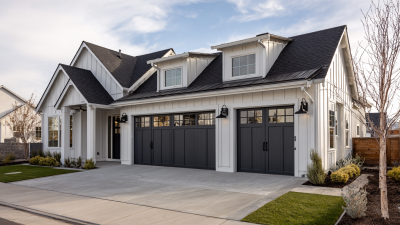
Choosing the right garage door is more than matching a paint color to the front façade. Craft garage doors combine visible workmanship, tailored dimensions, durable materials, and practical engineering. A well-made door should open quietly, seal evenly, resist weather, and support dependable daily use. The best designs also suit the home’s architecture, climate, driveway space, and maintenance expectations.
Industry evidence supports this investment. Zonda’s 2024 Cost vs. Value Report ranked garage door replacement among the highest-return exterior improvements in the United States. The report attributed that result to strong curb appeal and buyer appeal. The International Door Association and DASMA also emphasize correct installation, balanced hardware, safety testing, and suitable wind-load performance. These details matter more than decorative trends. A beautiful door can still disappoint when its tracks shake or its bottom seal leaves visible gaps.
This guide compares ten leading craft garage doors through practical criteria. We examine wood, steel, glass, composite, and carriage-house designs. Insulation, panel construction, opener compatibility, security features, and repair needs also shape the ranking. Energy performance deserves attention. The U.S. Department of Energy recommends evaluating insulated doors when attached garages affect indoor comfort or energy use. However, no single door suits every property. That is the uncomfortable part. A premium wood door may age beautifully, yet demand regular refinishing. A steel door may offer better value, but feel less distinctive. Our selection therefore balances craftsmanship with measurable performance, installation quality, lifecycle cost, and honest limitations.
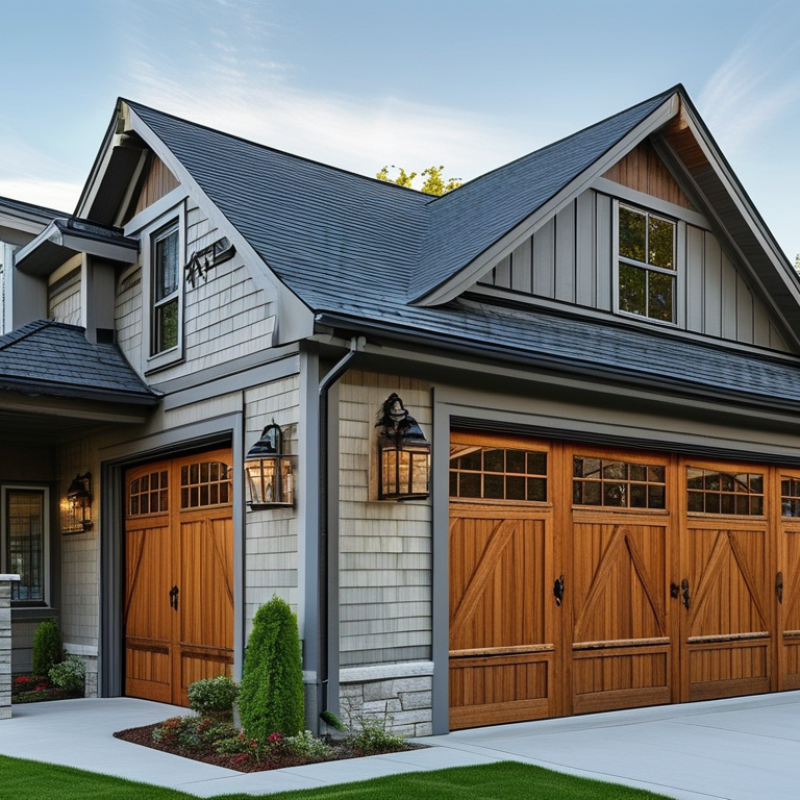
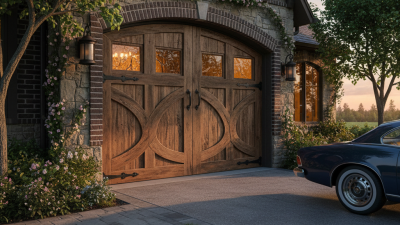
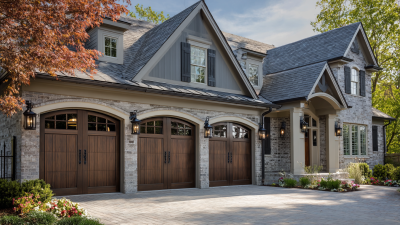
Craft garage doors are not defined by one style or price. They are recognized by visible workmanship, balanced proportions, and honest materials. In practice, strong designs combine sturdy frames with individually detailed panels. Common choices include carriage-house, shaker, craftsman, vertical-slat, and windowed wood doors. Other options include arched, crossbuck, flush, mixed-material, and custom-routed designs. These ten forms are useful design directions, not a universal ranking. That distinction matters.
Key features begin with construction. Mortise-like joints, recessed panels, exposed fasteners, and hand-applied finishes create depth at close range. Real wood can show knots and changing grain. That variation adds character, but it also demands sealing and inspection.
Steel or composite skins may offer steadier performance while imitating timber lines. Clear glass, divided-lite windows, dark hardware, and tapered trim strengthen the crafted appearance. A professional installer should verify opening measurements, spring balance, weather seals, and local wind requirements. Appearance cannot replace safe operation.
Tips: Stand ten feet away, then inspect the door from one foot. Check whether the rails align and the panels sit evenly. Request a material sample before approving color. Ask how often the finish needs renewal. I have seen attractive doors age poorly because drainage was ignored. That is an uncomfortable lesson. Choose details you can maintain, not only details that photograph well. Leave clearance for exterior lighting and confirm window placement before fabrication.
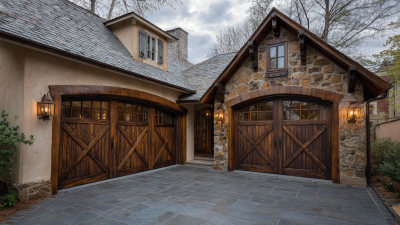
A well-crafted garage door begins with material evidence, not showroom appearance. Steel offers strength and stable maintenance, while solid wood provides warmth but demands regular sealing. Composite panels can imitate wood with fewer moisture concerns. Aluminum and glass create a modern look, yet they need careful frame and hardware selection. Ask for panel thickness, insulation R-value, wind-load certification, and spring-cycle rating. A beautiful door with weak hardware is still a poor investment.
Construction quality appears in the small details. Look for continuous weather seals, reinforced hinges, corrosion-resistant fasteners, and accurately balanced springs. The U.S. Department of Energy identifies air leakage as a major source of building energy waste, so inspect the bottom seal and side stops closely. Do not trust R-value alone; installation gaps can defeat strong insulation. I have seen impressive panels fitted with careless seals. That flaw is easy to miss.
Customization should serve the house, not overwhelm it. Measure the opening, headroom, track space, and local wind exposure before choosing windows or decorative hardware. The 2023 Cost vs. Value Report recorded a 102.7% cost recoupment for garage door replacement, showing strong resale appeal. Still, that figure reflects a typical project, not every custom installation. Request written specifications, maintenance requirements, and product testing records. No scorecard is perfect. A quiet inspection often reveals more than a polished sample.
| Rank | Craft Garage Door Type | Primary Material | Typical Construction | Customization Options | Typical Insulation | Maintenance Level | Best For | Main Evaluation Consideration |
|---|---|---|---|---|---|---|---|---|
| 1 | Insulated Steel Carriage-Style Door | Galvanized steel with a corrosion-resistant finish | Layered steel skins with a rigid foam core and reinforced rails | Window layouts, panel profiles, decorative hardware, multiple paint colors, custom dimensions | Usually R-9 to R-18, depending on panel thickness and core | Low; periodic washing, lubrication, and finish inspection | Energy-conscious homes seeking traditional appearance | Balance the visual detail of carriage styling with steel resistance to warping and impact |
| 2 | Solid Wood Raised-Panel Door | Cedar, redwood, fir, or other exterior-rated wood | Stile-and-rail framing with individually crafted raised panels | Wood species, stain, paint, panel pattern, grille design, arches, and custom sizing | Often R-3 to R-7 unless an insulated core is added | High; regular sealing or repainting is needed to manage moisture exposure | Period-style, luxury, and architecturally detailed homes | Confirm moisture protection, panel stability, and the door's weight before choosing the opener |
| 3 | Composite Wood Overlay Door | Steel base door with engineered wood or molded composite overlays | Insulated steel core covered by bonded or mechanically fastened decorative panels | Wood-grain textures, stain colors, crossbucks, windows, trim, and custom panel arrangements | Commonly R-9 to R-18 | Moderate; inspect overlay joints, sealants, and finish regularly | Homeowners wanting a wood appearance with improved dimensional stability | Check the overlay's water resistance and attachment method, especially in wet climates |
| 4 | Thermally Broken Aluminum and Glass Door | Aluminum frames with tempered or insulated glass panels | Lightweight framed sections with thermal breaks and replaceable glazing | Frame colors, clear or frosted glass, tint, privacy levels, horizontal divisions, and panel size | Approximately R-2 to R-8, primarily determined by glazing | Low to moderate; clean glass and inspect seals and hardware | Modern homes, studios, garages used as entertaining spaces, and daylight-focused designs | Evaluate solar heat gain, privacy, glass safety, and local wind-load requirements |
| 5 | Full-View Steel and Glass Door | Powder-coated steel or aluminum frame with safety glass | Slim horizontal rails and stiles supporting large glass sections | Opaque, tinted, frosted, or clear glazing; frame colors; divider patterns; custom openings | Typically R-2 to R-7, depending on glass and framing | Low; glass cleaning and periodic inspection of seals and fasteners | Contemporary façades and garages converted into flexible living or work areas | Prioritize privacy, glare control, thermal performance, and glass replacement availability |
| 6 | Fiberglass Wood-Grain Door | Fiberglass-reinforced skins over a steel or foam-supported core | Molded or embossed exterior surface with insulated sectional panels | Wood-grain patterns, stains, paint, window inserts, decorative hardware, and panel profiles | Usually R-6 to R-12 | Low; clean the surface and monitor scratches or damaged coatings | Coastal or humid locations where resistance to moisture and rot is important | Verify UV stability and resistance to impact, because surface repairs can be difficult to blend |
| 7 | Custom Steel Flush-Panel Door | Painted or powder-coated galvanized steel | Smooth or textured steel sectional panels with optional foam insulation | Flush or ribbed surfaces, color matching, windows, handles, vents, and nonstandard dimensions | Commonly R-6 to R-18 | Low; inspect the coating for scratches and exposed steel | Minimalist, industrial, and budget-aware projects requiring durability | Compare steel gauge, corrosion protection, wind rating, and the quality of the bottom seal |
| 8 | Craftsman-Style Sectional Door | Insulated steel, wood, or composite panels | Horizontal sectional construction with a row of upper windows and decorative trim | Mission-style panels, square or vertical windows, grilles, trim colors, and custom hardware | Approximately R-6 to R-16 | Low to moderate; hardware and moving components need routine servicing | Bungalows, Craftsman-inspired homes, and traditional façades | Match the panel scale and window proportions to the home's architecture rather than selecting decoration alone |
| 9 | Vertical-Panel Carriage Door | Steel, composite, or engineered wood | Vertically proportioned sectional panels designed to resemble swing-out carriage doors | Tall panel layouts, decorative straps, handles, arch tops, windows, colors, and stain effects | Typically R-6 to R-16 | Low to moderate; decorative hardware and seals require inspection | Farmhouse, European, and heritage-inspired exterior designs | Check headroom, track clearance, and whether the vertical design fits the garage opening dimensions |
| 10 | Custom Reclaimed-Wood Overlay Door | Reclaimed wood mounted over an engineered or steel door base | Structurally supported insulated door with individually selected exterior boards | Board orientation, patina, knots, mixed species, stain, metal accents, windows, and unique layouts | Usually R-6 to R-16, depending on the underlying door system | Moderate to high; wood must be sealed and checked for movement or moisture damage | One-of-a-kind renovations and environmentally conscious design projects | Confirm wood treatment, structural weight, fastener quality, and compatibility with the operating hardware |
What Are the Top 10 Craft Garage Doors?
The top 10 craft garage door styles each create a different visual and practical effect. Carriage-house doors offer old-world charm, often with decorative hinges and handles. Modern flush doors provide clean lines and a quiet, uncluttered façade. Shaker doors add simple recessed squares and suit warm, balanced exteriors. Raised-panel doors bring familiar depth and traditional character. Recessed-panel doors look calmer, with flatter geometric details. Full-view glass doors brighten garages and support a contemporary appearance. Plank doors highlight natural texture and handcrafted warmth. Board-and-batten doors feel rustic, especially beside stone or timber. Arched-top doors soften a rectangular garage opening with a graceful curve. Louvered doors improve airflow and add a coastal or tropical impression.
Tips: Match the door’s proportions with the home’s windows and rooflines. Check insulation values before choosing glass or solid construction. Sample finishes outdoors, because sunlight changes color dramatically. Ask an installer to inspect headroom, tracks, and framing. Small errors become obvious across a wide door.
From practical installation experience, balance matters more than decoration. A heavily detailed door can overwhelm a compact façade. Full-view glass may look elegant, but it needs regular cleaning and privacy planning. Wood-like finishes feel authentic, yet they can demand more maintenance than expected. I once underestimated afternoon glare on a dark surface. That was a useful mistake. Consider wind exposure, garage temperature, hardware durability, and daily opening frequency before selecting a style.
The top ten craft garage door choices include solid timber, insulated steel, aluminum, glass-panel, composite, carriage-house, flush-panel, raised-panel, mixed-material, and custom-fabricated designs. Each offers a different balance of security, insulation, maintenance, and long-term value. In residential inspections, I look closely at hinges, tracks, seals, spring systems, and panel alignment. These details often reveal more than appearance.
Security starts with rigid panels, reinforced frames, reliable locks, and properly anchored hardware. Insulated steel usually resists forced impact better than lightweight aluminum or large glass sections. However, glass panels can use laminated safety glazing and internal reinforcement. They need careful installation.
For insulation, compare the panel’s thermal rating, edge seals, and weather stripping. A thick door may still perform poorly if cold air enters around the frame.
Timber offers warmth and character, but it needs regular sealing in wet climates.
Maintenance varies sharply. Timber may require sanding and coating every few years, while composite panels usually need only cleaning and seal checks. Steel can resist daily wear, though scratches may eventually invite rust. Long-term value depends on climate, usage, repair access, and installation quality. A highly customized door may look exceptional but cost more to maintain. No ranking is perfect. My own preference can change after seeing a door endure one harsh winter, especially when small seal failures become expensive problems.
What Are the Top 10 Craft Garage Doors?
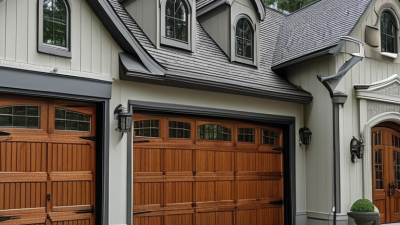
Choosing the right craft garage door starts with your home’s structure and daily routine. The ten popular styles include carriage-house, shaker, flush, raised-panel, arched, windowed, mixed-material, vertical-slat, board-and-batten, and contemporary insulated doors. Each creates a different visual rhythm across the front elevation. A carriage-house design suits traditional façades, while a flush door looks cleaner on modern homes. Window placement also matters. Small upper panes can bring daylight into a dark garage without exposing the entire interior.
Measure more than the opening width. Check headroom, side clearance, ceiling depth, and driveway slope before ordering. Insulation deserves careful attention in attached garages. A higher R-value can reduce temperature swings and outside noise. However, a heavy insulated door may require stronger springs and properly rated hardware. Wind exposure matters too, especially in coastal or storm-prone areas. Local building requirements should guide the final specification.
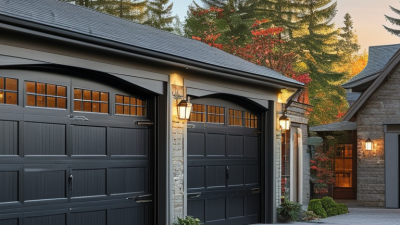
I once underestimated afternoon sun on a dark door. The surface became noticeably hotter than expected. Color, material, and orientation can change maintenance needs. Steel usually offers dependable durability, while composite or treated wood can provide richer texture. Wood needs more upkeep than many homeowners expect. That is not a deal-breaker, but it deserves honest planning. Choose windows, seals, and finishes that match how you actually use the garage, not only how the door looks in a showroom.
A practical comparison of popular craft-style garage door designs, ranked by visible design flexibility, material character, and compatibility with different home styles.
Higher scores indicate more opportunities for customization through panel profiles, window layouts, colors, hardware, and material combinations. Traditional carriage-house and modern mixed-material designs offer the widest range of craft details, while simple flush-panel doors provide a cleaner, more understated appearance.