How to Choose Steelcraft Garage Doors in 2026?

Choosing steelcraft garage doors in 2026 means balancing appearance, insulation, durability, and installation needs. A door can look perfect in a showroom yet feel wrong beside your home, or operate noisily in a cold garage. Measure the opening, note nearby windows and rooflines, and consider how often the door will cycle each day. Then compare panel styles, finishes, window options, and insulation levels against your climate and budget.

One point needs care: no source material was provided to verify a named Steelcraft industry expert or a quotation. Rather than invent an endorsement, this guide treats expert advice as something to confirm with a qualified local dealer or installer. Ask about the door’s construction, wind-load suitability, warranty coverage, and the opener’s compatibility. Get those details in writing. Small print matters.

The right choice is not always the thickest or most expensive model. A quieter door may matter more beside a bedroom; insulated panels may be worthwhile when the garage shares a wall with living space. Think about service access, too. Repairs are easier when parts and support are available nearby. This guide will help you compare options with practical questions, while leaving room for one honest doubt: product specifications alone cannot predict how a door will feel in daily use.
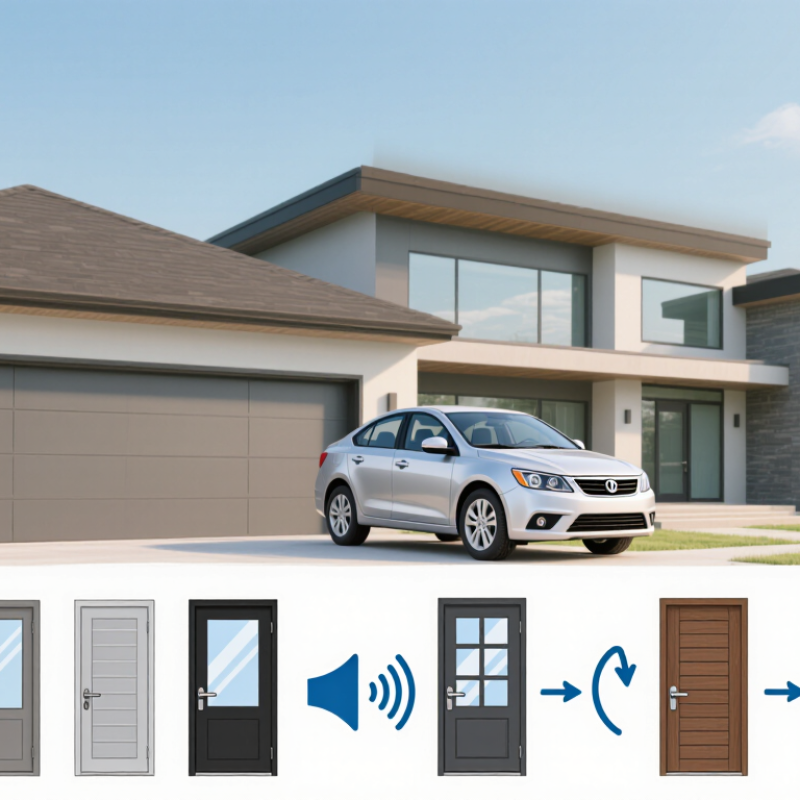
How to Choose Steelcraft Garage Doors in 2026?

What Defines a Steelcraft Garage Door in 2026?

A modern steel garage door in 2026 is defined by more than a strong outer panel. It combines galvanized steel, insulated cores, reliable hardware, and careful installation. A practical door should resist dents, moisture, and daily temperature changes. Look closely at the panel joints. They should meet evenly, without sharp gaps or loose edges.

Energy performance now matters in attached garages. Insulated steel panels can reduce heat transfer near bedrooms or workspaces. Ask for a documented insulation rating, not a vague promise. Check the seals around the bottom, sides, and top. Small gaps can admit rain, dust, and cold air. They are easy to overlook.

Safety features also define a dependable door. Photoelectric sensors should stop movement when an object crosses the opening. The lifting system needs balanced tension and smooth travel. A qualified installer should measure the opening, inspect the framing, and explain maintenance clearly. That detail reflects real expertise.

Finish quality matters too. A baked coating may hold color better than ordinary paint, but local exposure still changes performance. Coastal air, heavy snow, and intense sunlight create different demands. No door is perfect. I would rather choose verified specifications than trust attractive showroom language. Even a well-built door can become noisy when hinges dry out or tracks shift. Plan for inspections, cleaning, and occasional adjustment. These ordinary details often decide how the door performs after several winters.
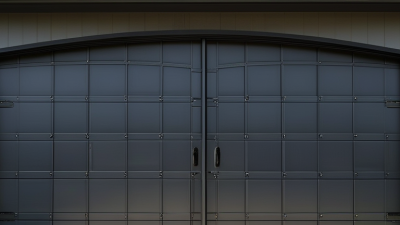
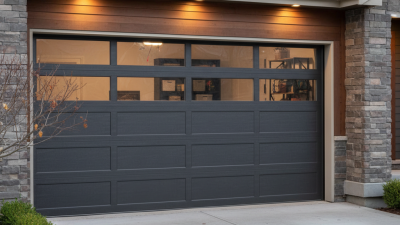
Which Steelcraft Garage Door Style Fits Your Property?

Which Garage Door Style Fits Your Property?

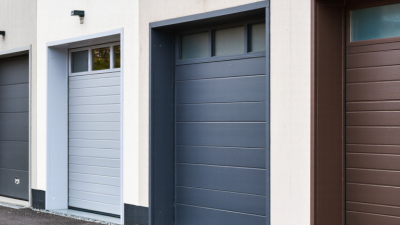
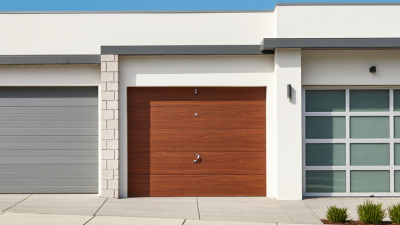
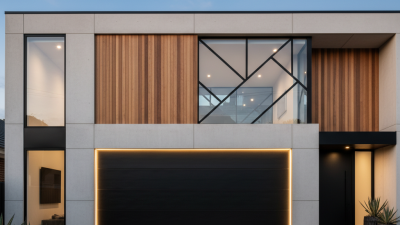
A garage door can occupy a large share of a home’s street-facing exterior. Match its design to the roofline, window shapes, and existing trim. A raised-panel door suits many traditional homes, especially with simple hardware and a finish that echoes the front door. For a modern façade, clean horizontal panels and restrained glazing can keep the elevation calm. Choose windows carefully. Glass placement affects privacy and daylight inside the garage.

Material and upkeep matter as much as appearance. Steel doors offer broad style options, while insulation can help moderate temperature swings in an attached garage.

In Zonda’s 2024 Cost vs. Value Report, garage door replacement returned an estimated 194% of project cost at resale across its U.S. sample. That is a national estimate, not a promise for every home or market.

Looks matter. Before choosing, compare door samples outdoors; colors often appear different in direct sun than in a showroom. I once thought a darker finish would hide dust better. It did not. Check the opening dimensions, track clearance, and local exposure to wind before settling on a style.

How to Compare Materials, Insulation, and Security Features

Choosing a steel garage door starts with the conditions it must handle. In a wet or coastal area, ask about corrosion-resistant coatings and inspect the bottom edge, where water often collects. Panel thickness matters, but a thicker panel alone does not guarantee a stronger door; construction and reinforcement also count. Check the track, hinges, and spring system, and ask how replacement parts are sourced.

Small details matter.

For insulation, compare the stated R-value and the door’s full construction, not just a sales label. A higher R-value can help moderate temperatures in an attached garage, especially when the door seals tightly against the frame. Look for weatherstripping along the sides and top, then check whether the floor seal sits evenly on the concrete.

Gaps are easy to miss.

Security depends on the complete installation. Ask about reinforced lock points, sturdy track attachment, and a reliable automatic opener with rolling-code technology. A strong door may still be vulnerable if its frame or hardware is poorly secured. Have a qualified installer assess the opening and balance the door; an unbalanced door can strain the opener and wear components sooner. Compare written warranties and maintenance requirements, too. I would not choose on appearance alone. Still, cost and style matter, and the best trade-off depends on your climate, garage use, and budget.

What Size, Operation, and Smart Controls Should You Choose?

Choosing the right garage door begins with accurate measurements, not appearance. Measure the opening width, height, side clearance, and ceiling space. Include the distance from the door header to the garage ceiling. A few centimetres can change the required track system.

For most homes, an insulated steel door offers better temperature control and quieter movement. Choose a sectional design if ceiling space is limited. A side-mounted operator may help when overhead clearance is restricted. However, it usually costs more and needs careful professional installation. Check the door’s weight before selecting an operator. An undersized motor may struggle, especially during cold weather. An oversized motor can add unnecessary cost.

Tips: Ask an installer to measure twice. Request the door’s tested wind rating and insulation value. Do not rely only on advertised “quiet” performance. Listen to a working model if possible. I would also avoid choosing the strongest operator automatically. Daily use, door weight, and spring condition matter more than impressive numbers.

Smart controls can add convenience through smartphone access, activity alerts, and temporary guest permissions. Choose a system with secure encryption, two-factor authentication, and local manual operation. Confirm compatibility before buying the door operator. Some systems lose features after software changes. Keep a physical remote available. Technology occasionally fails. A professional should also explain emergency release procedures and test the safety reversal system before completing installation.

How to Choose Steelcraft Garage Doors in 2026? — What Size, Operation, and Smart Controls Should You Choose?

Decision Typical Options or Measurements What to Consider Practical Starting Point
Single-car door size Common widths are about 8–9 ft (2.4–2.7 m); common heights are about 7–8 ft (2.1–2.4 m). Measure the clear opening, vehicle width including mirrors, and room to move around the vehicle. Sizes vary by home and market. Choose a width that allows comfortable entry without repeatedly folding mirrors or making a tight turn.
Double-car door size A 16 ft (4.9 m) wide by 7 ft (2.1 m) high opening is common; 8 ft (2.4 m) height is also widely used. Check the width and height of both vehicles, plus clearance for mirrors, roof racks, and storage near the opening. For two vehicles, compare one double door with two separate single doors; the best layout depends on the garage structure and use.
Tall or wider vehicles Some openings are 8–10 ft (2.4–3.0 m) high or wider than standard single-door sizes. Measure the tallest vehicle and any roof-mounted equipment. Confirm that tracks, springs, and the opener can be configured for the opening. Allow extra height when needed, but have the opening and available ceiling space checked before ordering.
Fit and clearance measurements Measure opening width and height, side room, headroom above the opening, and garage depth. Track style, door thickness, opener type, and structural obstructions affect the space required. Clearance requirements are system-specific. Have the installer verify all measurements on site, including pipes, lights, beams, and the opener’s mounting location.
Manual or powered operation Manual doors are lifted by hand; powered doors use an electric opener and are typically operated by remote, wall control, or app. Consider door weight, frequency of use, accessibility, power availability, and whether the door is balanced correctly. For frequent daily use, a compatible powered opener is usually more convenient. Keep the manual release accessible for power outages.
Opener drive type Belt, chain, and screw-drive systems are common; noise and maintenance vary by model and installation. Noise matters when bedrooms or living areas are near or above the garage. Door balance and correct installation also affect noise and wear. Consider a quieter belt-drive system for attached garages; compare the opener’s rated door capacity and warranty before choosing.
Smart controls Options can include app control, open/closed status alerts, schedules, activity history, and voice-assistant integration. Check Wi-Fi coverage in the garage, app compatibility, subscription requirements, account security, and whether the opener supports the features you need. Choose a system with clear door-status feedback and alerts. Enable strong account authentication and keep the app and firmware updated.
Safety features Automatic openers commonly use photo-eye sensors and an automatic reversing function; a manual emergency release is also important. Follow the opener manufacturer’s installation and testing instructions. Keep sensors aligned and clear of dirt or obstructions. Test the reversal and sensors regularly, and never rely on an app or remote as a substitute for checking that the doorway is clear.
Insulation and climate Insulated doors are commonly specified with an R-value; higher stated R-values generally indicate greater resistance to heat flow. Compare ratings using the same measurement method, and consider whether the garage is attached, heated, cooled, or used as a workspace. For an attached or temperature-controlled garage, compare insulated constructions and perimeter seals; for an unconditioned garage, prioritize durability and fit.
Final specification check Confirm finished opening size, door construction, track arrangement, spring system, opener compatibility, and included controls. Building conditions and local requirements can affect the correct configuration. Product dimensions and clearance needs differ by design. Use verified site measurements and the selected door system’s installation documentation before placing an order.

Measurement note: The dimensions above are common residential examples, not universal standards. Confirm the rough opening, clearances, and vehicle fit with a qualified installer before selecting a door.

How to Evaluate Installation, Maintenance, Warranty, and Cost

Choosing a steel garage door in 2026 starts with the installation plan, not the showroom finish. A trained installer should measure opening width, headroom, side clearance, and floor level. Small errors can cause rubbing, noise, or uneven seals. Ask for a written scope covering tracks, springs, opener compatibility, removal, disposal, and weather sealing. The crew should protect the driveway and test balance before leaving. That detail matters.

Maintenance should fit your routine and local weather. Wipe road salt, dust, and moisture from the panels several times each year. Lubricate approved moving parts, but never coat tracks with heavy grease. Check cables, rollers, hinges, and bottom seals for fraying or cracking. Do not adjust high-tension springs yourself. I have seen owners delay minor repairs until a noisy roller damages the track. That mistake becomes expensive.

Read the warranty before comparing prices. Confirm coverage periods for panels, hardware, springs, finish, and labor. Some warranties exclude coastal corrosion, poor maintenance, or installation by unapproved contractors. Keep invoices and inspection records. For cost, compare at least three itemized quotes with identical specifications. A cheaper door may use thinner panels or omit insulation. Ask about long-term energy loss, replacement parts, and service-call fees. I would also question unusually low labor costs; reliable work is not always flawless, but rushed installation rarely stays cheap.