How to Choose Quality Doors for Your Home or Business?
Choosing quality doors for your home or business is crucial. According to industry expert Sarah Thompson, “Quality doors define your space and enhance safety.” Her insight highlights the profound impact doors have on both aesthetics and functionality.
The right door can elevate a room’s design while providing security. Yet, many overlook the importance of materials and craftsmanship. It’s easy to get swept away by style, forgetting about practicality. For instance, wooden doors might look elegant but can warp in humid climates.
Considering quality doors means examining durability and insulation. A reliable door protects against weather and intrusions. Yet, what works for one space may not suit another. Always assess your needs before making a choice. Quality matters, even if it means investing more from the start.
Understanding Different Types of Doors for Your Needs
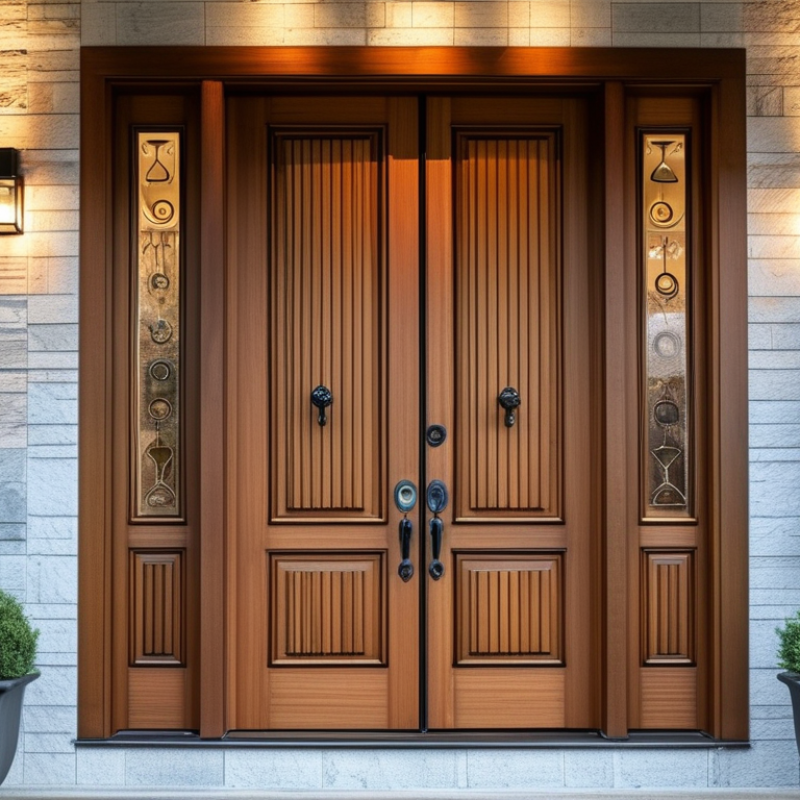
When selecting doors, the variety can be overwhelming. Understanding different types is essential for making an informed choice. For exterior doors, consider options like wood, fiberglass, and steel. Each material has unique properties. Wood offers natural beauty but needs regular maintenance. Steel doors provide security and durability but can rust. Fiberglass leads in energy efficiency, resisting dents and weathering.
For interior spaces, focus on style and utility. Hollow core doors are lightweight and economical. Solid core doors, while heavier, provide better sound insulation. Choosing between classic designs or modern aesthetics can be tricky. Reflect on the overall theme of your home or office. You want doors that blend seamlessly.
Lastly, budget also plays a role in your decision. Higher quality doors may seem costly, but they often save money in the long run. Weigh their longevity against initial costs. Sometimes, value lies in how doors impact energy efficiency and comfort. Remember, the right door should serve your needs while enhancing your space visually and functionally.
Evaluating Materials: Wood, Steel, Fiberglass, and More
When evaluating materials for doors, consider wood, steel, fiberglass, and more. Each material has its unique benefits and drawbacks. According to the National Association of Home Builders, wood doors offer natural beauty and excellent insulation properties. However, they can require more maintenance over time due to susceptibility to rot and warping.
Steel doors are known for their durability and security features. They resist dents and offer better fire protection. Yet, they can be prone to rust if not properly treated. In fact, a report from the Door and Access Systems Manufacturers Association reveals that steel doors last longer than wood ones in high-traffic environments.
Fiberglass doors provide versatility. They can mimic the look of wood without the downsides. These doors are low-maintenance and resistant to cracking or splitting. However, their initial cost may be higher compared to wood and steel. Some consumers report dissatisfaction with the thermal performance of low-quality fiberglass.
Consider these points: choose a door that matches your climate conditions. Evaluate the visual appeal alongside durability. Prioritize a reliable level of insulation. Pay attention to the door's warranty and the manufacturer's reputation. A good quality door can enhance security and energy efficiency, making your investment worthwhile.
Assessing Size and Fit: Ensuring Proper Measurements
When selecting doors, proper measurements are crucial. Start with the height and width of the door frame. A door that is too small will compromise security and aesthetics. Conversely, a door that's too large can lead to excessive gaps, causing energy loss and drafts.
Ensure that you measure from the top, middle, and bottom of the frame. Sometimes, frames can be uneven due to settling or wear. Pay attention to the floor as well; if it's uneven, choose a door that can accommodate minor adjustments. A poorly fitting door may cause frustration during installation.
Consider the thickness of the door as well. Standard thickness typically ranges from 1 3/8 to 1 3/4 inches. However, specific areas may require different thicknesses for durability or insulation. Remember to reflect on your building's style. Your choice should harmonize with both function and design. It's easy to overlook these details, yet they significantly impact your door's performance and longevity.
Considering Security Features: Locks, Reinforcements, and Glass
When selecting doors for homes or businesses, security features are paramount. A report from the National Institute of Standards and Technology indicates that over 30% of property crimes involve forced entry. To mitigate this risk, opt for doors equipped with high-quality locks and reinforced frames. Standard deadbolts offer decent protection, but investing in smart locks can provide advanced security measures, including remote access and monitoring.
Reinforcements also play a critical role. Doors with steel or fiberglass cores resist impact better than hollow-core options. According to a survey by the Door Security & Safety Foundation, properly reinforced doors can thwart intrusions by over 50%. Glass components should not be overlooked; tempered or laminated glass provides enhanced security, making it more challenging to break through.
Choosing the right combination of security features greatly impacts peace of mind. Look for doors that meet industry-standard certifications. Periodically reassess the security of your entries. Check the condition and functionality of locks regularly. Identify wear and tear early to avoid vulnerabilities. Ensure that all components work harmoniously to create a secure entry point.
Aesthetic Appeal: Matching Doors to Your Decor Style
Choosing doors that enhance your decor style involves a careful assessment of aesthetics. Each door carries unique characteristics that can either blend or clash with your existing theme. For instance, a rustic wooden door might complement a farmhouse style, while a sleek glass door suits modern aesthetics. It’s essential to visualize how the door’s texture and color interact with your overall design.
Consider the space around the door as well. Is the surrounding area light and airy, or dark and cozy? This context influences your choice greatly. Subtle details, such as the grain of the wood or the finish on metal, can drastically change the door's impact. Some designs may appear timeless but may need a touch of modern flair. Reflect on how you want each door to feel.
A door should do more than just close off a room. It needs to invite people in and capture attention. Pay attention to the hardware; knobs and handles can either enhance or detract from the door’s appeal. They often go unnoticed but significantly influence the overall experience. Finding the right balance can be challenging, but it’s worth the effort for a cohesive look that reflects your style.