Choosing garage service doors for a global project involves more than comparing prices and finishes. Each site brings different weather, traffic patterns, building conditions, and maintenance capabilities. A door designed for a dry warehouse may perform poorly beside a humid coastline. Strong wind, dust, salt air, temperature changes, and frequent forklift movement can quickly expose weak specifications.
Mike Holmes, a respected contractor and construction expert, often says, “Do it right the first time.” That principle fits garage service doors especially well. Project teams should examine opening dimensions, operating cycles, insulation needs, safety systems, corrosion protection, and available replacement parts. They should also confirm electrical requirements and installation methods before ordering. Small details matter.
Global projects need practical consistency, not identical products everywhere. A rolling steel door may suit a busy distribution center, while an insulated sectional door may better support temperature-controlled operations. Fire performance and local building requirements must receive professional review. Local installers can also reveal site problems that drawings fail to show. Their experience is valuable.
Still, no selection checklist is perfect. A technically strong door can become a poor investment if technicians cannot service it quickly. A lower initial price may hide higher repair costs later. Decision-makers should compare lifecycle value, supplier support, training, lead times, and warranty conditions. The right choice balances protection, productivity, safety, and long-term reliability. That balance is easy to describe, but harder to achieve.
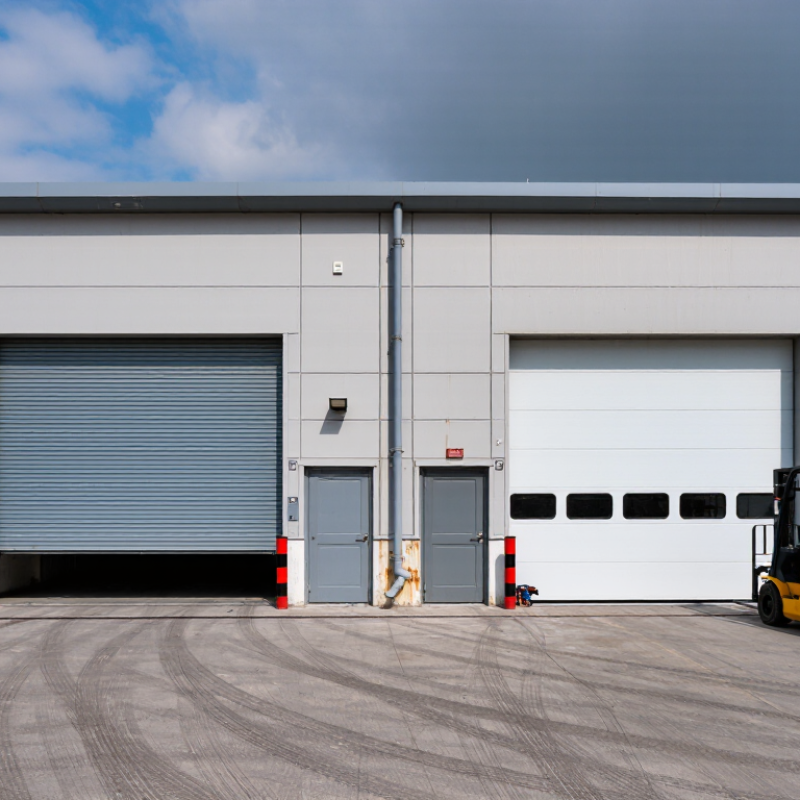
Garage service door selection should begin with the site, not the catalog. Record opening width, vehicle height, daily cycles, wind exposure, humidity, and available headroom. A coastal workshop needs corrosion-resistant components, while a cold logistics hub may require insulated panels and reliable seals. The local fire strategy also matters. Door ratings, emergency release systems, and electrical controls must match applicable building codes.
Energy performance deserves close attention. The UNEP Global Status Report for Buildings and Construction 2023 states that buildings consume about 30% of global final energy and produce 26% of energy-related emissions. A poorly sealed service door can waste conditioned air every time it opens. Specify opening speed, perimeter seals, thermal resistance, and traffic sensors together. Do not judge performance from panel thickness alone.
Global projects also need practical maintenance planning. The World Bank Logistics Performance Index 2023 assessed 139 economies, showing why spare-part access and technician availability differ widely. Choose common hardware where possible. Keep manuals multilingual. Confirm voltage, control-system compatibility, and replacement lead times before installation. I have seen specifications fail because they ignored local lifting equipment. It was avoidable. A perfect design is rarely possible, but a documented compromise is safer than an attractive assumption. Test the door under real traffic, dust, rain, and repeated cycles before final acceptance.
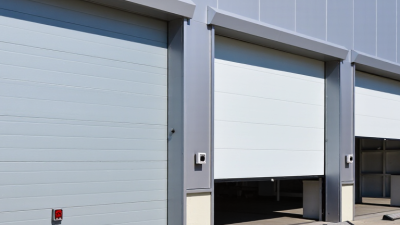
How to Choose Garage Service Doors for Global Projects?
Door Types and Their Suitable Global Applications
Choosing a garage service door starts with the building’s daily movement, climate, and security needs. The right door should match vehicle size, opening frequency, available space, and maintenance skills. It depends.
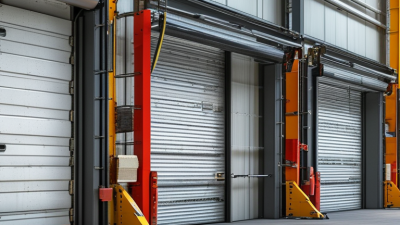
Sectional doors suit workshops, distribution centers, and underground parking areas. Their insulated panels help control indoor temperatures in cold or hot regions. They also open vertically, preserving space near the entrance. Rolling doors work well in warehouses and service bays with limited ceiling clearance. Steel curtains provide practical security, but they may offer less thermal insulation.
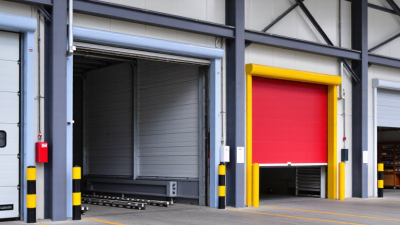
High-speed doors fit busy logistics hubs, food facilities, and vehicle maintenance centers. Their rapid cycles reduce air exchange and waiting time. However, frequent operation demands reliable sensors and scheduled inspections. Sliding or folding doors can serve large agricultural buildings, aircraft shelters, and oversized industrial garages. They need wider side or storage zones. Measure those areas carefully.
Fire-rated doors require qualified design review and local approval. Coastal projects need corrosion-resistant materials and protected hardware. Cold regions may require heated guides, seals, and stronger insulation. Dusty environments expose weak maintenance plans quickly. A door selected only from drawings may fail during real operation. Not always.
A useful lesson from site surveys is simple: operators often value repair access more than impressive specifications. A modest door with common replacement parts can outperform a complex system in remote locations. Local wind loads, electrical standards, emergency release methods, and service training must also be checked before procurement. Details matter.
| Door Type | Typical Clear Opening | Operating Speed | Main Construction | Suitable Global Applications | Climate and Environmental Suitability | Key Advantages | Important Selection Considerations |
|---|---|---|---|---|---|---|---|
| Rolling Steel Service Door | Approximately 1.5–12 m wide and 1.8–9 m high, depending on the system and structural design. | Generally slow to moderate; commonly selected for normal vehicle and personnel traffic. | Interlocking galvanized or stainless-steel slats with a barrel, guides, bottom bar and optional hood. | Parking garages Warehouses Workshops Utility buildings | Suitable for most climates. Galvanized steel is widely used for standard exposure; stainless steel or enhanced coatings are more appropriate for coastal, humid or corrosive locations. | Compact overhead storage, durable construction, flexible sizing and comparatively low maintenance. | Verify wind-load requirements, guide and hood clearances, corrosion protection, security rating, emergency release and local electrical standards. |
| Insulated Rolling Steel Door | Approximately 2–10 m wide and 2–8 m high for many industrial and commercial applications. | Slow to moderate, with optional motorized operation. | Double-wall steel slats with an insulating core, perimeter guides, bottom bar and weather seals. | Climate-controlled garages Cold storage access Manufacturing facilities Transport depots | Useful in hot, cold or variable climates where reducing air leakage and heat transfer is important. Performance depends on the complete door assembly and installation quality. | Improved thermal separation, reduced drafts, enhanced operational comfort and a compact roll-up arrangement. | Compare insulation value, air leakage, condensation control, threshold detailing and resistance to repeated temperature changes. |
| Sectional Overhead Door | Approximately 2.4–7.5 m wide and 2.1–6 m high; larger sizes require project-specific engineering. | Moderate; high-cycle versions can be equipped with faster operators. | Hinged horizontal panels running on vertical and horizontal tracks, with rollers, springs, seals and an operator. | Vehicle maintenance bays Fire stations Distribution centers Agricultural buildings | Available in non-insulated and insulated configurations for temperate, cold and hot climates. Wind and snow conditions must be checked during design. | Good thermal options, broad architectural flexibility, convenient pedestrian vision panels and relatively easy panel replacement. | Requires substantial ceiling or roof-headroom space. Check track configuration, spring cycle rating, panel U-value, wind rating and maintenance access. |
| High-Speed Fabric Roll-Up Door | Approximately 2–6 m wide and 2–6 m high for common industrial openings. | Often about 0.8–2.5 m/s, subject to the selected drive, curtain and safety system. | Flexible PVC or composite curtain, side guides, bottom edge, drive assembly and safety controls. | High-traffic logistics hubs Food processing areas Clean manufacturing Vehicle wash facilities | Well suited to controlled indoor environments and moderate outdoor exposure. Cold temperatures, strong wind, abrasive dust and ultraviolet exposure require suitable curtain materials and guides. | Fast cycle times, reduced air exchange, improved traffic flow and lower operational delays between spaces. | Confirm wind resistance, impact recovery method, temperature range, hygiene requirements, washdown compatibility and availability of replacement curtains. |
| High-Speed Rigid Door | Approximately 2–6 m wide and 2–6 m high for many industrial facilities. | Often about 1–3 m/s, depending on the panel, drive and safety controls. | Interlocking or rigid insulated panels that travel vertically, with reinforced guides and automated controls. | Airports Cold-chain facilities Pharmaceutical production High-security logistics | Appropriate where frequent cycling, improved sealing and stronger wind performance are required. Low-temperature operation should be confirmed for cold-chain projects. | High operating speed, better sealing than many standard doors and improved resistance to routine traffic impacts. | Higher initial cost and more complex controls than conventional doors. Check service support, spare-parts logistics, emergency opening and power-failure operation. |
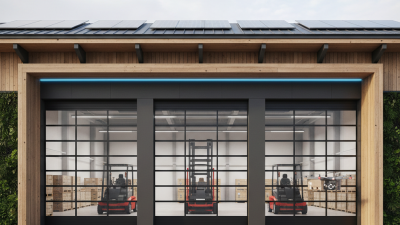
| Aluminum or Glazed Sectional Door | Approximately 2.4–6 m wide and 2.1–5 m high for architectural and commercial vehicle openings. | Moderate; typically selected for controlled traffic rather than maximum cycle speed. | Aluminum frames with transparent or translucent panels, seals, tracks, rollers and optional insulation. | Showrooms Automotive service centers Public parking facilities Fire and emergency buildings | Suitable for temperate and warm climates. In coastal or polluted areas, specify corrosion-resistant finishes and compatible hardware. | Natural daylight, contemporary appearance, visibility between internal and external areas and reduced dependence on artificial lighting. | Evaluate solar heat gain, glazing impact resistance, privacy, thermal performance, cleaning requirements and local safety-glazing regulations. |
| Fire-Rated Rolling Shutter | Commonly approximately 1.5–8 m wide and 1.8–8 m high, subject to the tested assembly and local approval. | Normally slow and controlled to support fire-compartmentation requirements. | Fire-tested steel curtain, guides, bottom bar, release mechanism and rated control components. | Underground parking Industrial buildings Energy facilities Commercial service areas | Suitable where building regulations require compartmentation. The complete door assembly must be tested and approved for the intended wall, ceiling and installation conditions. | Supports fire separation, occupies relatively little space when open and can be integrated with alarm or smoke-control systems. | Do not select by fire rating alone. Verify tested duration, insulation or integrity classification, closing method, fusible links, interfaces and local authority approval. |
| Counterbalance Sliding or Folding Door | Approximately 3–12 m wide and 2.5–8 m high, depending on the configuration and available side or ceiling space. | Slow to moderate. | Steel or aluminum leaves with hinges, folding hardware, sliding tracks and counterbalance or operating mechanisms. | Large maintenance bays Hangars Bus depots Heavy-equipment facilities | Can be designed for demanding wind and weather conditions, but the structural frame, tracks and hardware require project-specific engineering. | Suitable for very wide openings, adaptable to unusual building geometry and available in insulated configurations. | Requires side, overhead or face-of-building space. Check structural loads, drainage, wind pressure, operator access and opening clearances. |
Note: Dimensions and operating speeds are typical planning ranges, not universal limits. Final selection should be based on the project opening, wind pressure, fire and building codes, traffic frequency, climate, corrosion exposure, available space, electrical requirements and local certification rules.
Choosing garage service doors for global projects requires more than matching an opening. Site measurements, vehicle clearance, operating frequency, and local weather conditions all influence performance. A door that suits a dry warehouse may fail in a coastal service bay.
Size must allow safe movement without wasting valuable wall space. Measure the clear opening, headroom, side room, and floor level carefully. Materials should match exposure and usage. Galvanized steel supports demanding traffic, while aluminum can reduce weight and corrosion concerns. In humid areas, protective coatings and stainless hardware deserve close attention. Security also matters. Strong slats, reliable locking systems, controlled access, and impact resistance help protect equipment and personnel. However, stronger does not always mean better. Excessive weight can increase maintenance demands.
Tips: Confirm dimensions twice, using drawings and on-site measurements. Ask local installers about wind, rain, dust, and service conditions. Specify emergency release access. Check whether replacement parts are available nearby. Test the door under realistic traffic patterns, not only during a quiet inspection.
Insulation becomes important when garages connect to conditioned areas or experience temperature extremes. Insulated panels can reduce heat transfer and operating noise, but their value depends on proper sealing. Inspect guides, bottom edges, joints, and flexible seals. Small gaps can undermine an expensive door. Performance ratings should be compared using consistent testing methods and regional requirements. A perfect specification is rarely possible. Projects change, and early assumptions sometimes prove wrong. Build room for adjustment, inspection, and future repairs.
Choosing garage service doors for global projects requires more than comparing panel thickness and opening speed. Regional standards, climate conditions, and installation methods can change the specification completely. In Europe, EN 13241 addresses industrial, commercial, and garage doors, while North American projects often reference ASCE 7 for wind-load design and UL 325 for powered-door safety. These requirements are not interchangeable. Confirm the local authority’s approval process before ordering equipment.
Climate deserves equal attention. UNEP’s 2023 Global Status Report states that buildings consumed about 30% of global final energy in 2022. Poorly sealed service doors can increase air leakage, especially in heated warehouses or air-conditioned workshops. In coastal areas, specify corrosion-resistant hardware and drainage details. In cold regions, consider insulated panels, thermal breaks, and heated thresholds. Hot, dusty sites may need stronger seals and protected controls. Flood-prone locations require elevated motors and water-resistant electrical planning. Small details matter.
Tips: Request the project’s wind speed, temperature range, humidity, and exposure category. Check door dimensions after the structural openings are finished. Installation crews should verify tracks, anchors, safety devices, and manual release operation on site. A perfect drawing can still fail when the wall is uneven. I have seen rushed tolerances create noise, leaks, and repeated maintenance. Allowing time for local training is often wiser than assuming one installation method fits every country.
Choosing garage service doors for global projects requires more than comparing catalog prices. Supplier evaluation should begin with documented experience in similar climates and building types. Ask for project references, test reports, production tolerances, and installation records. A reliable supplier explains limits clearly, including wind loads, cycle ratings, insulation values, and spare-part availability. Factory videos help, but verified documents matter more. Request a sample section or detailed drawings before approval. Small omissions become expensive on remote sites.
Cost planning should include the complete operating picture. Compare purchase price, freight, customs handling, lifting equipment, installation labor, commissioning, and local training. A cheaper door may need special tools or imported seals. That difference can erase the original saving within one maintenance visit. Use a five-year cost model with realistic service intervals. Include currency changes and storage delays. Some estimates look precise, but they are not. Leave a reasonable contingency for damaged panels and site changes. Also confirm warranty response times and who pays travel costs.
Tips: Keep one approved spare-parts list for every project location. Store rollers, seals, cables, and safety sensors in dry, labeled cabinets. Record opening cycles and unusual noise during monthly inspections. Maintenance teams should check alignment, fasteners, bottom edges, and emergency release devices. Train local technicians with practical demonstrations, not only translated manuals. I have seen good equipment underperform because installers rushed the first adjustment. That mistake deserves attention. Ask suppliers to review maintenance data quarterly and revise procedures when field evidence disagrees with the original plan.