Why Choose a Steel Door for Your Home or Business?

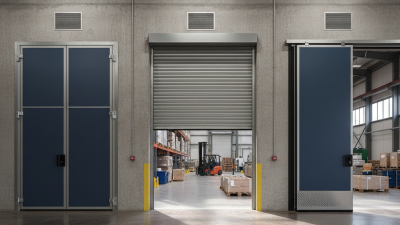
A steel door can make a home or business feel more secure, but its value depends on more than the material alone. A solid slab, reinforced frame, suitable lock, and careful installation all matter. In a busy shop, for example, the entrance may face daily deliveries, weather, and repeated use. At home, the priorities might be privacy, insulation, and a clean appearance. Different needs call for different door specifications.

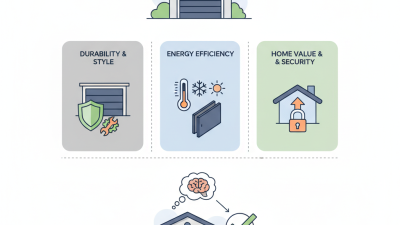
Steel doors are often chosen for their strength and durability. Many resist dents and everyday wear better than lightweight alternatives, while insulated models can help reduce heat transfer and outside noise. The details matter. Check the door’s construction, finish, hardware compatibility, and any tested performance ratings before buying. A rating should match the actual need, not just sound impressive.

There are trade-offs. Some steel doors can scratch, and exposed damage may need prompt attention to limit corrosion. Poor fitting can also cause drafts, sticking, or weak points around the frame. That part is easy to underestimate. Measure the opening carefully, and ask an experienced installer about hinges, seals, and local climate. For fire or security performance, rely on documented ratings and professional advice rather than broad promises. The right steel door is not automatically the heaviest or most expensive one. It is the one that fits the building, works reliably, and suits the people using it every day.

Why Choose a Steel Door for Your Home or Business?

What Is a Steel Door?

A steel door is a door assembly with steel sheets forming its outer faces. It is usually not a solid block of metal. Many models have a core made from foam, honeycomb material, or another insulating fill. The core, steel thickness, frame, hinges, and hardware all affect how the door performs. Small details matter.

On a typical unit, the steel skins wrap around the core and connect to the door’s edges. The surface may be painted or coated, and the frame may also be steel. Check the product specifications rather than judging by appearance alone. A heavy door does not automatically provide better insulation or security.

For a home, a steel door can suit an entry exposed to daily use and changing weather. In a business, it may be chosen for a busy staff entrance or storage area. Steel resists everyday knocks, but it can dent, and damaged coatings may allow rust to form. Installation matters, too: a poorly aligned frame can make even a well-built door difficult to close. Not a small issue. It is easy to focus on the metal and overlook the core, seals, and fit. Those parts deserve a closer look.


How Steel Doors Are Made

A steel door begins as a sheet of coated steel, cut and pressed into panels. The edges are folded to create a rigid shape. Depending on the design, manufacturers join the inner and outer skins around a frame. They may use spot welds, adhesives, or both. The process sounds simple. It isn’t. Even a slight mismatch can affect how the door closes.

The hollow space is often filled with foam or another insulating material. Some designs use a reinforced core instead. Hinges, locks, and handles need solid backing, so extra metal may be added at those points. After assembly, the door is sanded, sealed, and painted or given a protective coating. Checks may include fit, surface quality, and hardware operation. Details vary by model, so specifications matter more than appearance alone.

Tips: Ask what the core contains and how the edges are protected from moisture. Check that the hinges and lock area feel firm. A smooth finish is useful, but it cannot reveal every weakness. I would also inspect the frame; a strong door can still perform poorly if the opening is out of alignment. The manufacturing process deserves attention, but installation deserves just as much.

Key Benefits of Steel Doors

Steel doors offer a practical balance of strength, durability, and everyday function. A well-fitted door can resist dents better than many lightweight alternatives and provide a solid barrier at a home entrance, workshop, or office. The frame and lock matter too. A strong door cannot compensate for a poorly installed frame.

Steel also needs less routine attention than wood in many settings. It will not warp from ordinary changes in humidity, though its finish can scratch or chip. That matters near busy entries, where bags, carts, and equipment often brush against the surface. Small paint damage should be repaired promptly, since exposed steel may rust, especially in damp or coastal conditions. Details count.

Thermal and sound performance depend on the whole assembly, not the metal alone. Insulation, weather seals, glazing, and installation all affect comfort and noise. A steel door may feel cold to the touch, and a damaged seal can let drafts through. Not perfect. Before choosing one, consider the opening’s exposure, daily traffic, and maintenance needs. A heavy door can also be harder for some people to operate, so hardware and accessibility deserve careful attention.

Security, Fire Resistance, and Energy Efficiency

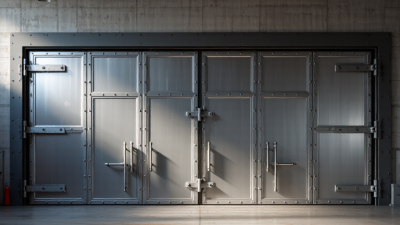
A steel door can add a sturdy barrier, but the door leaf alone does not determine security. A reinforced frame, secure hinges, and a properly fitted deadbolt matter too. Gaps can still invite drafts or weaken the overall installation. Details matter.

Fire protection requires a rated assembly, not simply a steel surface. The door, frame, hardware, and installation must match the tested fire-rating specification. NFPA’s Home Structure Fires report estimated an average of 353,100 U.S. home structure fires each year from 2015 to 2019. That figure is a reminder to treat fire performance as a practical concern, not a label to assume. A fire-rated door may slow fire spread, but it cannot make a building fireproof.

Energy performance depends heavily on insulation and airtight sealing. Look for an insulated core and weatherstripping that compresses evenly around the frame; check the threshold for daylight or a cold draft. ENERGY STAR estimates that air sealing and insulation can reduce average heating and cooling costs by about 15 percent. That estimate applies to homes overall, not to a door alone. A steel door with poor seals may still leak air, and even a well-fitted door needs periodic checks as weatherstripping wears.

Why Choose a Steel Door? Fire-Protection Ratings

Fire-rated door assemblies are commonly labeled for 20, 45, 60, 90, or 180 minutes. The rating applies to a tested assembly, not just the door leaf; the frame, hardware, installation, and applicable building code matter. Steel doors can also support security and energy efficiency, but those depend on the specific locks, construction, seals, and installation.

Choosing the Right Steel Door for Your Property

Selecting a steel door begins with the opening, not the finish. Measure the width, height, wall depth, and swing direction. A well-made door can still frustrate if its frame sits unevenly. For a busy shop entrance, consider daily foot traffic and delivery access. At home, check how the door connects with the entryway and nearby rooms.

Construction matters, but specifications need context. A thicker steel skin may resist dents, while a reinforced frame and sturdy hinges help the assembly stay aligned. Ask about the insulation core and thermal breaks, especially in areas with cold winters or humid summers. If fire, sound, or security performance matters, review documented ratings for the complete door assembly, not just the slab. Small detail, big difference.

Consider moisture and upkeep, too. A sheltered porch may need less corrosion protection than a coastal or frequently washed setting. Choose a finish suited to the exposure, and check edges where scratches can reveal bare metal. I would not choose on price alone; installation can undermine a good specification. Confirm who will measure, fit, seal, and adjust the door. Ask how the installer will handle gaps and thresholds. Handle height and closer strength are easy to overlook until the door is used every day.

Why Choose a Steel Door for Your Home or Business? — Choosing the Right Steel Door for Your Property

Decision Factor What to Know About Steel Doors For a Home For a Business
Construction Many exterior steel doors use steel skins over an insulated core. Commercial hollow-metal doors may use different core materials and frame systems. Consider an insulated door designed for residential entryways and compatible with the existing frame. Choose a door and frame system suited to the opening, traffic level, hardware, and building requirements.
Security Steel construction can resist impacts and forced entry, but security also depends on the frame, lock, hinges, glazing, installation, and surrounding structure. Check that the lock and strike plate are compatible with the door and that the frame is firmly secured. Assess the complete opening, including access-control hardware, door closers, hinges, and any vision panels.
Energy efficiency An insulated core can reduce heat transfer. The door’s performance also depends on weatherstripping, threshold fit, glazing, and installation. Look for a model with documented energy-performance information and effective perimeter seals. For exterior entrances, consider insulation and sealing alongside frequent-use requirements and accessibility.
Fire protection Fire protection applies only to doors that are appropriately tested, labeled, and installed as part of a rated assembly. Requirements vary by location and opening. Confirm local code requirements before choosing a door for an attached garage or another regulated opening. Check the required rating for the specific opening and use compatible listed hardware, frame, and closer where required.
Durability and weather Steel doors are durable, but damaged coatings can expose the metal to corrosion. Protective finishes and timely repairs help preserve the surface. Choose a suitable finish for the local climate and inspect the door for scratches or coating damage. Consider exposure, frequency of use, and the availability of replacement parts when selecting a door system.
Maintenance Routine care typically includes cleaning, checking seals and hardware, and repairing coating damage according to the manufacturer’s instructions. Periodically check weatherstripping, hinges, and the threshold for wear or poor fit. Include closer operation, latch alignment, hinges, and access-control components in regular inspections.
Appearance and fit Steel doors are available in different finishes, panel designs, sizes, and configurations, though options depend on the product and application. Match the door style and finish to the home while verifying the opening dimensions and handing. Prioritize a configuration that fits the building design and supports required hardware and daily operations.
Best selection checks Compare specifications, warranty terms, installation requirements, and applicable building-code provisions rather than relying on material alone. Verify the rough opening, frame condition, insulation needs, and suitability for the location. Confirm traffic demands, accessibility, fire-rating needs, security hardware, and professional installation requirements.

Note: Product construction, performance, and code requirements vary. Confirm specifications with the door supplier and local building authority before purchase.