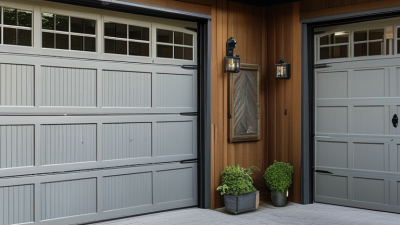
What Are Carriage Doors and How Do They Work?
Carriage doors combine historic character with modern garage-door engineering. Originally, carriage-house doors swung outward on side hinges. They opened like paired barn doors. Today, many carriage doors use sectional panels that move upward on tracks. Their exterior still shows decorative handles, crossbucks, and window inserts.
The U.S. Department of Energy explains that garage doors influence a home’s thermal performance, especially when garages share walls with living spaces. Insulation, weather seals, and correct installation therefore matter beyond appearance. The International Code Council’s residential provisions also address garage-door safety, openings, and structural performance. These requirements help explain why professional installation is more than a cosmetic upgrade.
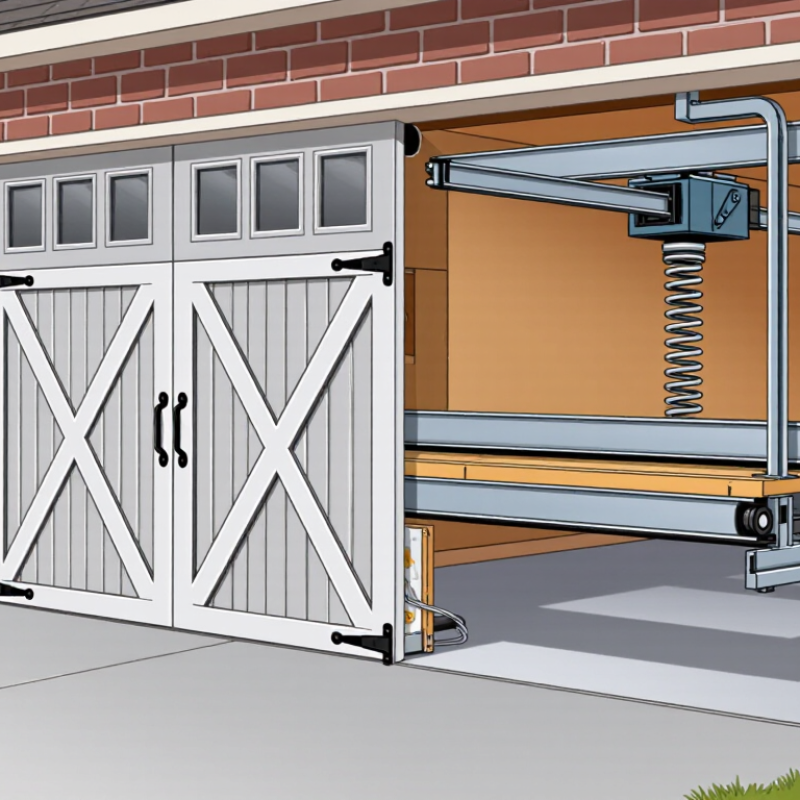
Inside, rollers guide the panels along vertical and horizontal tracks. Torsion springs balance the door’s weight. An opener lifts the assembly through a drive rail, while safety sensors stop movement when an object crosses the opening. DASMA technical guidance highlights the importance of balanced operation, regular inspection, and properly maintained hardware. Small failures can become noisy, expensive, or dangerous.
The design can mislead.
Some “carriage doors” only imitate swing-out doors. They actually operate overhead, saving driveway space and improving daily convenience. That difference affects clearance, maintenance, insulation, and opener selection. A 2023 Houzz & Home Study also reported continued homeowner investment in renovation projects, showing why exterior upgrades remain relevant. However, style alone should not guide the purchase. Homeowners should compare panel construction, spring systems, safety features, climate exposure, and installation quality. The best choice is practical first, decorative second.
What Carriage Doors Are and Where the Design Comes From
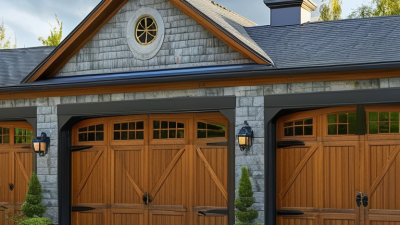
Carriage doors are garage doors shaped like the double doors once used on coach houses. Their design comes from horse-drawn carriage storage buildings, where wide openings allowed vehicles to enter easily. Traditional doors swung outward from side hinges. They often used timber boards, cross-braces, and dark metal hardware for strength and visual character.
The historical story is not perfectly simple. Some early buildings used sliding or folding doors, depending on space and local construction methods. Still, the familiar carriage-door image remains clear: two balanced panels opening from the center. Modern versions may keep that appearance while operating as overhead doors. Hinged sections, rollers, tracks, and counterbalance springs now handle the movement. From the driveway, they look traditional. Behind the panels, the mechanism can be quite advanced. A close inspection matters, because decorative hardware does not always indicate genuine swing operation.
Tips:
Measure the opening before choosing a design. Check whether the panels swing outward or travel overhead. Leave clear space for hinges, vehicles, and foot traffic. Weather seals can reduce drafts around the meeting line. Insulated panels may also improve comfort inside the garage. I would not rely on appearance alone; a qualified installer should inspect the framing, tracks, and spring system. Older openings can be uneven, and that detail is easy to miss.
Main Parts and Features of Carriage-Style Garage Doors
What Are Carriage Doors and How Do They Work?
Main Parts and Features of Carriage-Style Garage Doors
Carriage-style garage doors imitate the look of historic swing-out doors. Modern versions usually move upward on tracks. This design combines traditional appearance with practical daily operation. Each door panel is connected by strong hinges, allowing the sections to bend as they travel overhead. Rollers sit inside metal tracks and guide that movement smoothly.
The counterbalance system carries much of the door’s weight. Torsion springs, or extension springs in some designs, help the door open with less effort. Cables transfer tension between the springs and the bottom brackets. These parts must remain properly aligned. During a hands-on inspection, I look for frayed cables, loose hinges, and uneven roller movement. Small noises can reveal larger problems.
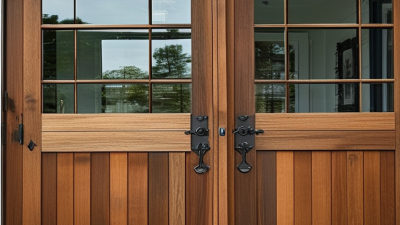
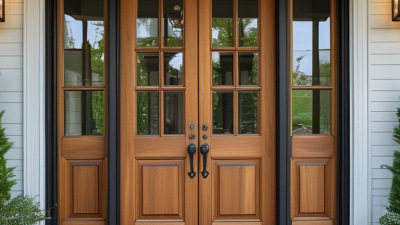
Decorative features shape the carriage-door style. Crossbuck overlays, narrow windows, raised panels, and black-finish hardware create a handcrafted impression. Weather seals along the bottom and sides reduce drafts, rain, and dust. Insulated panels can also improve indoor temperature control and reduce outside noise. An automatic opener adds convenience, but it must match the door’s weight and travel requirements. That assumption can be wrong. A door may look light while placing serious strain on an undersized opener. Spring adjustments require specialized tools and training. Scheduling professional service is safer than testing tension by hand.
Carriage-Style Garage Doors: Common Residential Sizes
Carriage-style garage doors are commonly built as swing-out doors or sectional doors that imitate the traditional carriage-house appearance. The chart shows common nominal residential garage-door widths and typical matching heights. Actual dimensions may vary depending on the opening, framing, track system, panels, hinges, rollers, springs, and hardware.
How Carriage Doors Open, Close, and Move
Carriage doors are designed to resemble traditional hinged coach doors. Their movement, however, depends on the hardware behind the panels. Some doors swing outward from side hinges. Others travel upward on tracks, despite their old-fashioned appearance. Swinging models need clear space outside the garage. Overhead models need room beneath the ceiling. That difference affects installation, parking, and daily use.
In my experience, a swinging door opens as each panel pivots from its hinges. The panels usually meet in the center when closed. An overhead door rises vertically, bends along horizontal tracks, and rests above the opening. Springs, rollers, hinges, and cables share the load. When these parts are balanced, the door should move smoothly without sudden drops. A scraping sound or uneven gap deserves attention. I once underestimated a small alignment problem. It became harder to ignore after repeated use. Appearance alone cannot confirm safe operation.
Tips: Keep the opening path clear. Check hinges and rollers for visible wear. Never pull, bend, or remove tensioned springs yourself. Test the door manually only when the mechanism allows it safely. If the door feels unusually heavy or shifts sideways, stop using it and contact a qualified technician. A quiet door is not always a healthy door. Regular inspection still matters.
Common Materials, Insulation, and Design Options
What Are Carriage Doors and How Do They Work?
Carriage doors mimic the swing-out doors found on historic barns. Modern versions often use overhead tracks, so they open like sectional garage doors. This design preserves a classic appearance while saving driveway space. Steel offers strength and low maintenance. Wood provides warmth, texture, and a handmade character. Fiberglass can resist moisture and imitate wood grain. Each material has trade-offs. Wood may swell in damp weather, while steel can dent or develop rust if its coating fails.
Insulation depends on the door’s core, seals, and installation quality. Polyurethane or polystyrene cores can reduce heat transfer and outside noise. Continuous weather seals help block drafts around the edges. A small gap at the bottom can still admit cold air, rain, and insects. Pay attention to the garage floor, too. An uneven floor may prevent a tight seal. In practice, decorative windows can also weaken thermal performance. I once underestimated that detail. The result was a bright, attractive door that felt colder near the glass.
Tips:
Choose materials based on your climate and maintenance tolerance. Ask for the insulation value, not just the material name. Check hinge strength, track alignment, and seal compression. Decorative hardware should remain secure through repeated use. No door is perfect. A thoughtful design balances appearance, durability, airflow, and budget.
Key Benefits, Limitations, and Maintenance Needs
Carriage doors combine traditional appearance with modern overhead operation. Their panels usually move along tracks, then rest horizontally above the opening. From the driveway, they may look like hinged barn doors. Inside, springs, rollers, hinges, and cables manage the movement. Correct balance is essential. A door that feels unusually heavy needs professional inspection.
Their main benefit is visual character. They can make a plain garage feel warmer and more carefully designed. Most models also provide convenient automatic access, weather seals, and flexible window options. The limitations deserve equal attention. Decorative panels may cost more than basic doors. Hinged-style hardware can create additional wear. Poor installation may cause rubbing, uneven gaps, or loud operation. They also need enough ceiling clearance. Measure carefully.
Maintenance is simple, but not optional. Inspect rollers, hinges, cables, and spring connections every few months. Wipe dust from the tracks with a dry cloth. Use only a suitable garage-door lubricant on moving joints. Do not lubricate the tracks heavily; grease can collect grit. Test the reversal feature with a small object placed on the floor. Watch the threshold. Water, leaves, and packed dirt can weaken the bottom seal. A practical check should also examine loose fasteners and cracked weather stripping. Some owners wait for squeaking, which is understandable but risky. Noise is often a late warning, not the first one. If a cable appears frayed or a spring looks damaged, stop using the door and contact a qualified technician.