7 Best Steelcraft Garage Doors for Global Buyers

Choosing among the 7 Best Steelcraft Garage Doors for Global Buyers means looking beyond appearance. A door must suit its opening, climate, daily use, and local installation conditions. Small details matter: a coastal property may need stronger corrosion protection, while a cold-climate garage may benefit from insulated panels and effective seals.

The market is growing. Grand View Research estimated the global garage door market at USD 6.05 billion in 2023 and projected a 5.1% compound annual growth rate through 2030. The International Energy Agency reports that buildings account for about 30% of global final energy consumption. These figures help explain buyer interest in durable, energy-conscious building products, though they do not prove that any specific door will reduce energy bills.

Details matter.

This guide compares steelcraft garage doors through practical criteria: construction, insulation options, finishes, operating systems, available sizes, and maintenance needs. Product specifications can vary by model and market, so buyers should confirm current documentation with the manufacturer or an authorized dealer. Check wind-load ratings, warranties, replacement-part access, and compatibility with the site before ordering. A strong-looking panel is not enough if installation support is limited thousands of miles away.

There is no universal winner. A door that suits a sheltered suburban garage may be a poor fit for a windy or salty environment. This comparison aims to help international buyers ask sharper questions, not to replace local professional advice. Verify the measurements twice.
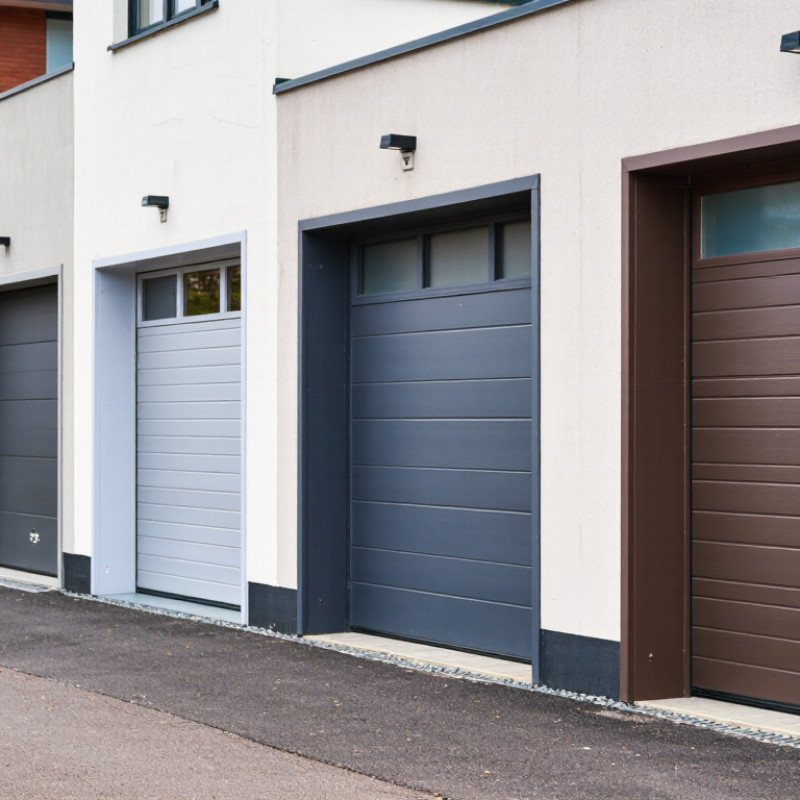
7 Best Steelcraft Garage Doors for Global Buyers

Steelcraft Garage Doors: Brand Background and Product Range

A manufacturer’s background matters because it shapes how doors are designed, tested, and supported. For global buyers, look for clear technical documents, consistent model descriptions, and accessible replacement-part information. A polished catalog is useful, but it does not prove how a door performs after years of daily use. Ask for specifications and installation guidance before comparing models.

The product range may include insulated and non-insulated steel doors, sectional designs, different panel profiles, and finishes suited to varied building styles. Some models prioritize thermal performance; others emphasize a slimmer profile or reinforced construction. Check the stated insulation value, steel thickness, wind-load data, and hardware details. Small differences matter. A door that looks sturdy in a photograph may have lightweight tracks or limited finish options.

Regional conditions also affect a sensible choice. Coastal air, strong sun, and frequent temperature changes can influence finish life and maintenance needs. Confirm that the dimensions, track arrangement, and operating system match the opening and local installation practice. Catalog labels can sound clearer than they are. I would request a written specification for the exact model, rather than assume two similar-looking doors share the same components. That extra check is easy to overlook.

7 Best Steelcraft Garage Doors for Global Buyers - Steelcraft Garage Doors: Brand Background and Product Range
Option Door Format Typical Construction Suitable Applications Key Considerations for Global Buyers
1. Insulated Sectional Door Horizontally hinged panels travel vertically and then along tracks beneath the ceiling. Commonly made with steel skins and an insulating core; panel and seal specifications vary by product. Residential garages where thermal performance, weather sealing, and overhead storage are priorities. Check available headroom, track clearance, opening dimensions, and the stated thermal-performance data.
2. Non-Insulated Sectional Door Sectional operation with multiple connected panels. Steel-faced panels without an insulating core, or with a basic single-skin construction. Mild-climate garages, detached storage areas, and projects with a lower initial-cost priority. Compare panel rigidity, corrosion protection, perimeter seals, and wind-load ratings for the installation location.
3. Insulated Roller Door Slats coil into a compact roll above the opening. Interlocking steel slats; insulated versions use a filled or layered slat construction. Garages with limited ceiling space or where overhead tracks are not preferred. Confirm the required roll-box space, operating clearance, curtain profile, and local wind-resistance requirements.
4. Single-Skin Roller Door Steel curtain rolls upward around a barrel. Formed steel slats without an insulating core. Utility garages, sheds, and storage buildings where compact operation is useful. Thermal and sound insulation are generally limited; verify coating suitability for the local climate.
5. Side-Hinged Steel Door One or two leaves swing outward from side hinges. Steel-faced leaves on a framed structure, available in insulated or non-insulated configurations. Garages needing simple pedestrian access or where overhead clearance is restricted. Allow for the outward swing area and check hinge strength, threshold details, and exposure to wind-driven rain.
6. Up-and-Over Steel Door A single rigid panel tilts outward and then moves overhead. Steel sheet on a framed panel; insulation and surface finishes depend on the specification. Existing garages and projects seeking a straightforward, single-panel arrangement. Check the panel’s travel path, driveway clearance, frame condition, and compatibility with the planned opener.
7. High-Lift Sectional Door Sectional panels rise higher along the wall before turning toward the ceiling. Steel sectional panels fitted to a high-lift track arrangement. Garages with taller openings, vehicle lifts, or a need to keep more space clear near the doorway. Requires suitable wall and ceiling geometry; confirm track layout, spring design, and installer measurements.
Note: This is a general comparison of steel garage-door formats, not a brand-specific product catalogue. Available constructions, dimensions, finishes, insulation values, and certifications vary by supplier and destination market. Confirm the project’s opening measurements and applicable local building requirements before ordering.

How to Assess Garage Door Needs Across Global Markets

Choosing a steel garage door for a global market starts with the site, not a product list. Record the opening width and height, headroom, side clearance, and floor slope. A few millimeters can affect the seal and track alignment. Then consider local conditions: coastal air can accelerate corrosion, while strong sun may heat dark finishes. Cold regions often need better insulation and weather seals. Wind exposure matters, too. Ask a qualified local installer to confirm applicable building requirements and suitable hardware; needs can vary even within one country.

Think about daily use and long-term service. A busy household may value a quiet opener and durable springs, while a workshop may need extra clearance for equipment. Check whether replacement panels, rollers, and seals are available locally, rather than assuming imported parts will be easy to source. Shipping dimensions and installation support can also change the real cost. Look closely at safety features, including obstruction reversal and protected pinch points. Practical details count. A specification sheet cannot reveal every site constraint, and measurements taken only once can be wrong. Recheck them, and leave room for a second opinion before ordering.

Seven Steelcraft Garage Door Options and Their Key Features

Seven Steelcraft Garage Doors for Global Buyers
Seven Steelcraft Garage Door Options and Their Key Features

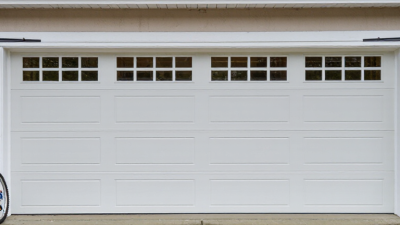
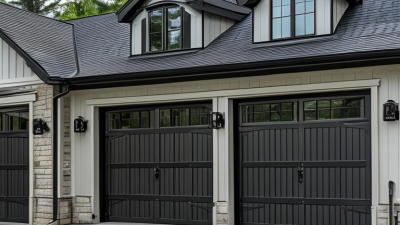
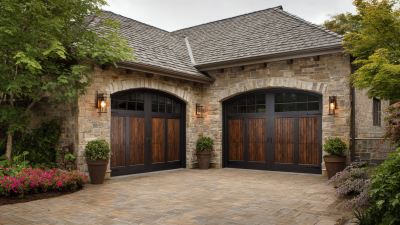
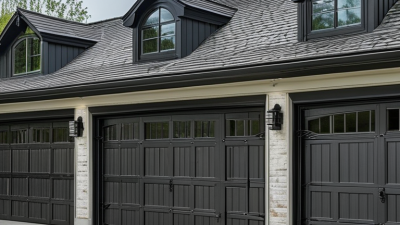
Steel garage doors suit varied climates and architectural styles, but construction matters. Insulated steel panels help limit heat transfer and can reduce street noise. Non-insulated panels cost less, though they may feel cold to the touch in winter. Raised-panel designs add familiar depth, while flush-panel doors create a cleaner, contemporary face. Carriage-house styles borrow the look of swing-out doors but operate overhead. Check clearances before choosing decorative hardware. Small details can interfere.

Windowed steel doors bring daylight into a garage, but glass placement affects privacy and heat gain. Wood-grain finishes offer texture without solid timber; custom colors can coordinate with trim. These are seven distinct options, not a ranking. The 2024 Cost vs. Value report estimated a 194.1% cost recoup for an upscale garage-door replacement in its U.S. benchmark. That figure is a modeled resale estimate, not a promised return, and may not transfer across markets. I would not select insulation by habit alone. Compare local temperatures, panel thickness, seals, and wind-load ratings, then verify that the tracks and opener match the door’s weight.

Seven Common Steel Garage Door Widths

These are commonly available nominal widths, ranging from single-car doors to wide double-car doors. The best option depends on the garage opening and vehicle clearance; confirm the required opening and actual door dimensions with the installer.

Comparing Materials, Insulation, Security, and Design

For global buyers, steel garage doors balance durability, insulation, security, and curb appeal. The steel skin is only part of the story. Compare panel construction, core material, seals, and hardware together. The U.S. Energy Information Administration’s 2020 Residential Energy Consumption Survey found space heating accounted for 42% of household energy use. That figure reflects U.S. homes, not every climate, but it shows why insulation matters in attached garages. Cold mornings make gaps around the bottom seal easy to notice.

Single-layer steel doors are lighter and often more economical, while insulated, multi-layer models can reduce heat transfer and dampen road noise. Check the stated R-value, but compare ratings carefully: testing methods may differ. Polyurethane-filled panels can provide strong insulation in a compact profile; polystyrene options may suit buyers prioritizing cost. Look for galvanized steel and a durable finish, especially in coastal or humid locations. Maintenance still matters.

Security depends on the whole installation, not steel thickness alone. DASMA’s wind-load guidance recommends choosing doors rated for the pressures expected at the building site. Reinforced tracks, secure locking hardware, and properly anchored frames add practical protection. Keep design functional: raised panels suit traditional façades, while smooth finishes and narrow glazing create a cleaner look. Glazing can brighten a garage, but it may reduce privacy. A heavier door is not automatically safer. Check compatibility with the opener and local installer support before ordering.

Sizing, Standards, Installation, and Support for International Buyers

For international buyers, a garage door must fit the opening and the building’s conditions. Measure clear width and height, side room, headroom, and floor slope; record all dimensions in millimetres. A sloped floor or low ceiling can change the track and seal requirements. Small details matter. Confirm the door’s finished opening size, not just the rough framing dimensions, before production.

Standards need checking by destination. EN 13241 covers performance requirements for industrial, commercial, and garage doors in relevant European markets, but it is not a universal approval. Ask for the applicable conformity documents, wind-load rating, operating limits, and installation instructions for your country. Insulation deserves attention, too. The IEA’s 2023 Buildings report estimates that buildings use about 30% of global final energy. A well-sealed door may help reduce drafts, though results depend on the whole building envelope.

Installation planning should include door weight, spring balance, opener compatibility, electrical supply, and safe access for technicians. Steel panels can arrive with dents if packaging and handling are weak, so specify edge protection and inspect shipments before signing. That part is often overlooked. Before ordering, request metric drawings, replacement-part availability, warranty terms, and remote technical support. Ask how quickly wear parts can be shipped. Even a careful plan can miss local site conditions, so confirm measurements again after the old door is removed.