Choosing the right Lng Exchanger manufacturer requires more than comparing catalog prices. LNG projects operate under severe conditions. Temperatures can fall below -160°C. Pressure cycles, vibration, salt air, and thermal contraction test every weld and seal. A small weakness can become a costly shutdown.
Dr. James R. Fair, a respected chemical engineering authority, offered a practical design principle: “Heat transfer, pressure drop, and cost must be considered together.” That principle still matters in 2026. A high-performing exchanger must deliver stable thermal efficiency without creating excessive pressure loss. Buyers should examine cryogenic design experience, material traceability, welding qualifications, and documented factory testing. Helium leak tests, hydrostatic testing, cleanliness controls, and performance verification deserve close attention. Certifications matter, but paperwork alone cannot prove field reliability.
This guide reviews the 2026 best LNG exchanger manufacturers for global buyers. It considers technology, production capacity, customization, after-sales support, delivery discipline, and experience with large-scale LNG facilities. It also looks at plate-fin, spiral-wound, shell-and-tube, and printed circuit exchanger solutions. Each type has a different operating profile. No ranking is perfect. Public data can be uneven, and some manufacturers disclose more than others. That limitation deserves honest attention.
A serious buyer should request reference projects, inspection records, maintenance requirements, and clear warranty terms. Factory photographs may show polished equipment. They do not reveal every manufacturing weakness. The strongest suppliers combine proven engineering, transparent communication, and repeatable quality control. Cost still matters. Reliability usually matters longer.
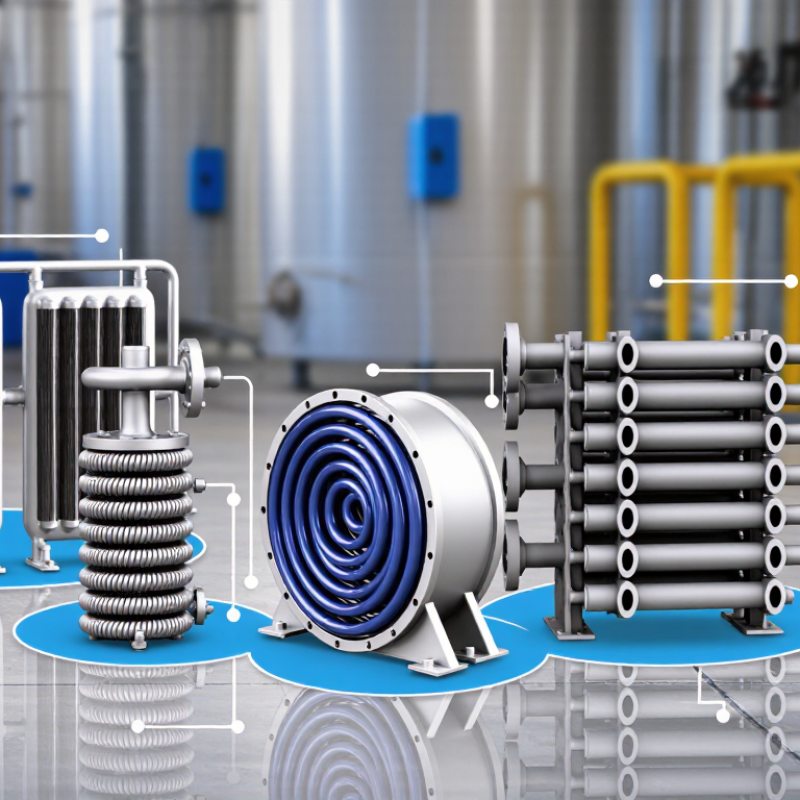
LNG heat exchangers control temperature during liquefaction, storage, and regasification. According to the GIIGNL Annual Report 2024, global LNG trade reached 404.3 million tonnes in 2023. That volume increases demand for dependable thermal equipment. Cold service changes everything. Plate-fin exchangers offer high surface area and compact footprints. They commonly support liquefaction trains and nitrogen rejection systems. Shell-and-tube units provide stronger mechanical separation and easier maintenance. They suit vaporizers, seawater heating, and industrial gas facilities.
Printed circuit heat exchangers handle high pressure and severe temperature differences. Their welded channels reduce leakage risks, but inspection requirements remain demanding. Regasification terminals often use open-rack vaporizers, submerged combustion vaporizers, or intermediate-fluid systems. Each design responds to water quality, emissions limits, available space, and seasonal demand. The IEA Gas Market Report 2024 forecasts strong LNG supply growth through 2025. More capacity does not automatically mean better reliability. Poor fouling control can still reduce output.
Global buyers should examine thermal duty, pressure cycling, metallurgy, cleaning access, and documented testing. Aluminum alloys work well in cryogenic plate-fin designs, while stainless steels support demanding process sections. ASME construction records and applicable pressure-equipment certifications improve purchasing confidence. A useful factory audit checks weld procedures, helium leak testing, and performance data under simulated operating conditions. I have seen specifications become too generic. That mistake hides maintenance costs. A careful manufacturer should explain assumptions, not only provide a low initial price.

Choosing an LNG exchanger manufacturer in 2026 requires more than comparing quoted prices. Buyers should examine thermal duty, design pressure, operating temperature, flow arrangement, and allowable pressure drop. Ask for performance calculations at both normal and upset conditions. Data matters more.
A capable manufacturer should show experience with cryogenic service, suitable materials, welding controls, and documented quality procedures. Review inspection plans, non-destructive testing records, pressure-test results, and material certificates. Ask for evidence. Independent certification can strengthen confidence, but it should not replace technical review. Check whether the supplier understands local codes, installation conditions, and export documentation. Small omissions often create expensive delays.
Factory capability also matters. Evaluate engineering software, production equipment, calibration systems, and traceability from raw material to final assembly. Request references for comparable exchanger sizes and LNG applications, not unrelated process equipment. Speak with previous buyers when possible. Their maintenance experience may reveal more than a sales presentation. Inspect the details.
A reliable supplier should explain cleaning access, insulation interfaces, spare parts, inspection intervals, and emergency support. Clarify lead times, warranty boundaries, and how design changes are controlled. Digital records and remote monitoring can improve accountability, yet they do not correct weak manufacturing discipline. No scorecard is perfect. Buyers should record assumptions, challenge optimistic efficiency claims, and leave room for independent verification before placing an order.
Leading LNG Exchanger Manufacturers and Their Technical Strengths
Global LNG trade reached about 405 million tonnes in 2023, according to GIIGNL’s 2024 Annual Report. This scale increases demand for dependable cryogenic heat exchangers. The strongest manufacturers combine thermal design, precision fabrication, and disciplined quality control. Their portfolios usually include plate-fin, coil-wound, and shell-and-tube exchangers. Each design serves different temperature ranges, pressure duties, and maintenance conditions.
Real technical strength appears during testing. Leading producers verify heat-transfer performance through validated process models and full-load simulations. They also use helium leak testing, controlled brazing, weld inspection, and repeated cryogenic cycling. These steps matter because LNG systems can experience temperatures near minus 162 degrees Celsius. The IEA’s Gas 2024 analysis also forecasts strong LNG supply growth through 2025, increasing pressure on equipment delivery and long-term reliability.
Manufacturers should show traceable materials, documented tolerances, and qualified welding procedures. Compliance with recognized pressure-vessel and quality standards remains essential. However, a polished certificate does not guarantee stable field performance. A weak installation can distort alignment and reduce exchanger efficiency. This point is often underestimated. Buyers should examine operating references, spare-part planning, cleaning access, and emergency response times. Some performance promises still depend on incomplete site data, so careful technical review remains necessary.
Global LNG trade reached about 404 million tonnes in 2023, according to the GIIGNL Annual Report 2024. The IEA’s Gas 2024 report also identifies expanding liquefaction capacity and stronger equipment demand. For exchanger buyers, production volume is not enough. Manufacturers should demonstrate compliance with ISO 16903, ISO 21013, EN 1473, and applicable pressure-vessel rules. Requirements vary by project location.
Look beyond certificates. Ask for material certificates, weld maps, non-destructive examination records, helium leak-test results, and complete heat-treatment data. Aluminum brazed heat exchangers need strict control of cleanliness, vacuum brazing, and fin alignment. Pressure vessels require design verification under recognized codes, such as ASME Section VIII, where applicable. ISO 9001 supports quality management, but it does not replace technical inspection.
Factory acceptance testing should confirm pressure integrity, thermal performance, vibration behavior, and instrumentation accuracy. A credible supplier can provide serial-number traceability from raw material to final inspection. This matters during commissioning, when a small leak can delay an entire cold box. The IEA reports LNG demand growth, yet its outlook also highlights uncertainty in infrastructure timing. Buyers should therefore review production capacity, spare-part plans, and service response. A certificate can be genuine and still be incomplete. I would treat unsupported performance claims as a warning, not as proof.
International buyers should compare LNG exchanger manufacturers through evidence, not polished brochures. Request process data, thermal duty, pressure range, material grades, and design temperature. LNG service can approach -162°C, so material toughness and thermal contraction deserve careful review. Ask whether the supplier has delivered similar equipment for comparable flow rates and operating conditions.
Qualification should include drawings, weld procedures, inspection plans, and material traceability. Check compliance with relevant ASME, EN, or ISO requirements for the project location. Review cryogenic test methods, leak-test records, non-destructive examination, and factory acceptance procedures. A credible manufacturer can explain each report in plain language. Vague answers are warning signs. Very low prices often exclude testing, spare parts, or commissioning support.
Compare suppliers using total ownership cost, not only purchase price. Examine energy efficiency, cleaning access, replacement-part availability, delivery controls, and technical response time. Visit the manufacturing site when the project value justifies travel. Observe storage conditions, welding areas, calibration labels, and document control. References should be independently checked, preferably with buyers who operated the equipment for several seasons. A buyer may overvalue capacity and undervalue after-sales support. That mistake is expensive. Supplier scoring should leave room for uncertainty, because published schedules rarely survive every design change, inspection delay, or shipping disruption.
