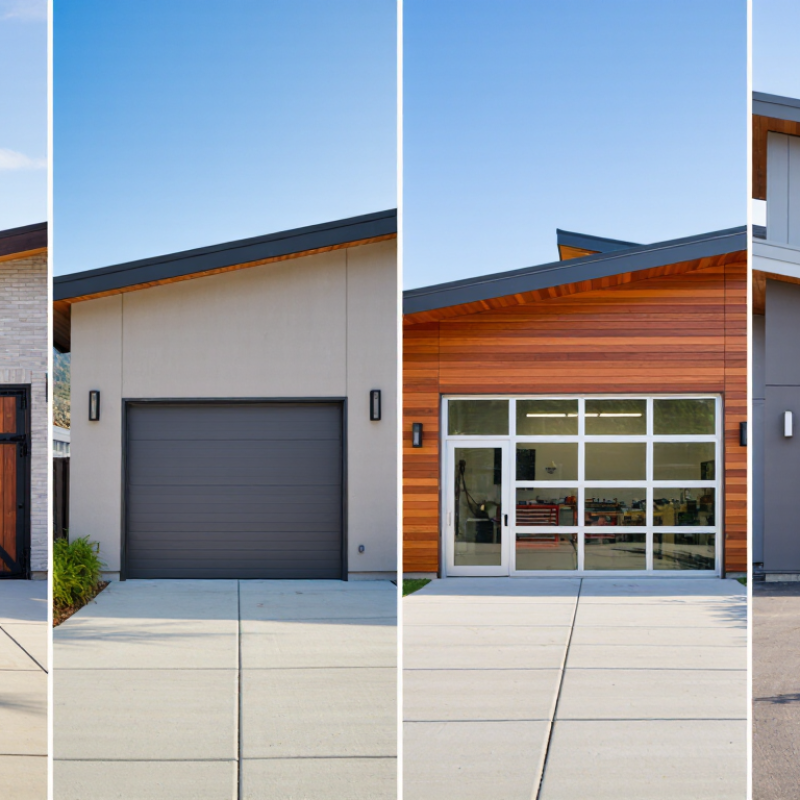
2026 Best Types of Craft Garage Doors for Global Buyers?

Choosing the best craft garage doors in 2026 requires more than comparing attractive photographs. Global buyers need doors that suit local weather, building practices, security expectations, and daily use. A coastal home may need corrosion-resistant hardware, while a mountain property may require stronger insulation and reliable weather seals. The right design should look appropriate, operate smoothly, and remain practical after years of exposure.

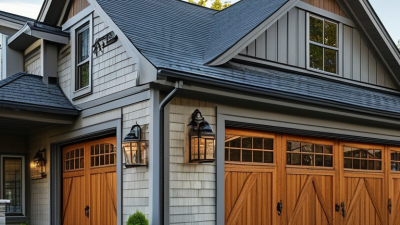
This guide examines popular options, including carriage-house wood doors, insulated steel panels, aluminum-and-glass systems, and modern full-view designs. Each type offers a different balance of appearance, maintenance, strength, energy efficiency, and cost. Real-world details matter. A heavy timber door may create a warm entrance, but it can demand regular finishing. A glass door may brighten a workshop, yet it can reduce privacy and increase cleaning work. Small hardware choices matter too.

There is no universal winner.

Recommendations should consider door size, opening direction, insulation requirements, wind conditions, and available replacement parts. Buyers should verify product specifications, installer experience, warranty terms, and regional compliance before ordering. Manufacturer claims deserve careful comparison, especially when performance figures use different testing methods. Even experienced buyers can overlook delivery damage, unusual panel dimensions, or limited local service. That is why this overview combines design knowledge with practical purchasing concerns. Some preferences remain subjective, and not every premium feature justifies its price. A thoughtful decision may be less impressive at first, but more reliable every morning.

2026 Best Types of Craft Garage Doors for Global Buyers?

What Defines a Craft Garage Door in 2026?

In 2026, a craft garage door means more than a decorative front. It reflects careful design, skilled fabrication, and practical performance. Each panel should show balanced proportions, clean joints, and consistent surface treatment. Natural wood may reveal small variations, while steel can provide sharper lines and stronger weather resistance. These details should serve the building, not compete with it.

A reliable craft door begins with documented materials and a clear manufacturing process. Experienced fabricators check panel alignment, hardware movement, insulation, and finish durability. They also consider local climate conditions. Coastal buyers may need corrosion-resistant components, while colder regions often require stronger seals and thermal insulation. Not every handmade detail improves performance. That distinction matters. A slightly uneven grain can feel authentic, but poor sealing is simply a defect.

Modern craft also includes quiet technology. Smart access systems, sensors, and backup controls can improve daily convenience without hiding the door’s physical character. Safety features should respond consistently during testing, especially in homes with children or frequent deliveries. Buyers should request measured dimensions, maintenance guidance, warranty terms, and performance evidence. Custom work can still contain mistakes. I have found that honest installers explain limitations instead of promising perfection. In 2026, the strongest craft garage doors unite visible human skill with dependable engineering, responsible material choices, and service that remains understandable across different markets.

Key Materials and Handcrafted Construction Methods

Craft garage doors combine visual character with demanding daily performance. Global buyers should begin with the local climate, opening size, and maintenance expectations. Solid hardwood offers rich grain and strong impact resistance, but it can swell in humid weather. Accoya-like modified timber is not mention brand? avoid brand names. Thermally modified wood provides better dimensional stability, though its color may fade without regular finishing. Steel brings security and structural strength. Aluminum resists corrosion and reduces weight, while insulated glass can add daylight without sacrificing weather protection.

Handcrafted construction depends on careful joinery, not decoration alone. Mortise-and-tenon joints help keep timber frames aligned. Dovetail or finger joints can reinforce selected components, but poor machining still causes movement. Craftspeople should seal end grain, pre-drill hardware holes, and use corrosion-resistant fasteners. These small steps often determine whether a door remains quiet after years of cycling. Layered panels, rigid backing, and high-density insulation can improve thermal performance. Accurate weather seals matter just as much.

Details matter. I have seen beautiful doors fail because water collected behind an unsealed trim piece. That lesson is easy to overlook. Buyers should request moisture-control details, finish schedules, hardware specifications, and independently verified performance data. Regional installers should confirm wind loads, safety sensors, and electrical compatibility before fabrication. Handwork can create individuality, but it also introduces slight variation. That is not automatically a defect. Still, visible gaps, uneven movement, or inconsistent finishing deserve correction before installation.

2026 Best Types of Craft Garage Doors for Global Buyers: Key Materials and Handcrafted Construction Methods
Door Type Primary Materials Handcrafted Construction Method Typical Insulation Weather and Corrosion Resistance Visual Character Best Climate or Application Maintenance Level Relative Cost Important Buyer Consideration
Solid Timber Carriage-Style Door Western red cedar, European oak, Accoya-treated wood, or other exterior-grade timber; steel hinges and hardware Individually selected boards are joined with mortise-and-tenon details, concealed dowels, or traditional frame-and-panel construction. Surface sanding and hand-applied stains are commonly used. Low to moderate unless a separate insulated core is incorporated; solid wood itself is not a high-performance insulation system. Good when properly sealed, detailed with drainage, and kept clear of standing water; wood remains sensitive to moisture and ultraviolet exposure. Warm, natural, architectural, and highly customizable with raised panels, divided lights, or decorative strap hinges. Temperate and dry climates; premium residential façades and heritage-style properties. High High Confirm kiln drying, moisture content, protective coating system, bottom-rail design, and local wood-movement warranty terms.
Engineered-Wood Overlay Door Insulated steel or composite base door with exterior wood veneer, plywood, or engineered-wood overlays Craft workers cut and fit overlay pieces individually over a factory-built structural door. Joints are sealed, fasteners are concealed where practical, and exposed edges receive additional finishing. Moderate to high, depending on the base door, panel thickness, and perimeter seals. Better dimensional stability than many solid-wood designs; performance depends on edge sealing and the quality of the overlay material. Wood appearance with more consistent panel alignment and reduced weight compared with a fully solid-wood door. Mixed climates, energy-conscious homes, and projects requiring a traditional appearance with improved stability. Moderate Medium to high Ask whether the overlay is mechanically supported, how water is prevented from entering joints, and whether replacement panels are available.
Insulated Steel Shaker or Flush Door Galvanized steel skins, polyurethane or polystyrene core, steel end stiles, and corrosion-resistant hardware Hand finishing may include custom panel layout, welded or reinforced sections, hand-applied coatings, and individually fitted windows or decorative trim. High when a continuous polyurethane core and thermal breaks are used; exact performance varies by construction. Very good with galvanized or coated steel; scratches and cut edges should be repaired to limit corrosion. Clean, modern, and adaptable to custom colors, narrow grooves, windows, or applied timber details. Cold, hot, or variable climates where energy efficiency and dimensional stability are priorities. Low to moderate Medium Compare tested U-factor or R-value, air leakage, wind-load rating, galvanization, and the quality of the bottom seal.
Aluminum and Glass Full-View Door Extruded aluminum frame, tempered or laminated safety glass, insulated glass units, and stainless or coated hardware Frames are cut and assembled to order; glazing is individually fitted with gaskets or structural sealants. Powder coating or anodizing is applied for the finish. Moderate to high when thermally broken frames and insulated glass units are specified; single glazing provides limited insulation. Excellent resistance to rot and many forms of corrosion; coastal projects require marine-grade hardware and suitable coating specifications. Contemporary, light-filled, and visually open; available with clear, frosted, tinted, or textured glass. Modern homes, studios, hospitality spaces, and humid or coastal locations with appropriate specifications. Low to moderate Medium to high Verify glass safety classification, solar-control performance, frame thermal breaks, wind rating, and privacy requirements.
Fiberglass Composite Wood-Grain Door Fiberglass-reinforced composite skins, molded wood-grain surfaces, steel reinforcement, and optional insulation Custom panels are trimmed, fitted, and finished by hand; stain-compatible or factory-colored coatings are selected for the intended exposure. Moderate to high when combined with a closed-cell foam core; performance depends on the complete door assembly. Very good resistance to moisture, insects, and decay compared with untreated natural wood; finish can still weather over time. Wood-like appearance with consistent texture and lower risk of swelling or rot. Humid, rainy, coastal, or high-maintenance-sensitive environments. Low to moderate Medium to high Check ultraviolet stability, color limitations, repairability, and whether the surface can be refinished after prolonged exposure.
Reclaimed-Wood Artisan Door Reclaimed barn wood, old-growth boards, engineered backing, steel reinforcement, and protective exterior coating Boards are sorted, moisture-checked, cleaned, stabilized, and arranged individually. Craftspeople preserve selected marks while reinforcing the door for repeated movement. Low to moderate unless mounted over an insulated structural door. Variable; reclaimed boards may contain existing weathering, checking, or fastener holes and require careful sealing and drainage. Distinctive one-of-a-kind texture, patina, knots, saw marks, and historical character. Dry or temperate climates and design-led projects where visual uniqueness is more important than minimal maintenance. High High Request documentation for timber treatment, pest inspection, moisture content, structural reinforcement, and safe removal of old coatings.
Wrought-Iron or Steel Decorative Door Wrought iron, mild steel, galvanized steel, forged or fabricated decorative elements, and optional insulated backing Bars and scrolls are forged, bent, welded, ground, and finished by hand. Decorative grilles may be mounted over a separate solid or glazed door leaf. Low for open grilles; moderate or high when combined with an insulated core door behind the decorative metalwork. Good with hot-dip galvanizing, zinc-rich primers, and a durable topcoat; unprotected steel can rust quickly in wet or salty air. Traditional, Mediterranean, industrial, or estate-inspired appearance with strong ornamental detail. Dry climates, historic-style properties, and security-focused entrances; coastal use requires rigorous corrosion protection. Moderate to high High Confirm weld quality, coating preparation, drainage at hollow sections, hardware compatibility, and the door’s wind-load certification.
Custom Composite or Fiber-Cement Panel Door Fiber-reinforced polymer, mineral composite, fiber-cement panels, steel subframe, and protective exterior coatings Panels are CNC-cut or hand-trimmed, then assembled on a reinforced frame. Artisans may add routed profiles, layered relief, or hand-painted finishes. Moderate; insulation is normally supplied by a separate core or backing system. Good resistance to moisture, insects, and many temperature changes; coating and edge detailing remain essential. Highly adaptable, from minimalist flat panels to stone, timber, or painted architectural effects. Regions with humidity, insects, or frequent temperature variation where low biological maintenance is desired. Low to moderate Medium to high Check panel weight, impact resistance, edge protection, fastener design, and compatibility with the selected opener and tracks.
Crafted Vertical-Lift or Bi-Fold Door Timber, steel, aluminum, or composite panels combined with heavy-duty hinges, tracks, counterbalance components, and weather seals Door sections are individually aligned, balanced, and tested. Custom fabrication focuses on panel proportions, hardware integration, and smooth synchronized movement. Varies widely; panel material and seals determine the thermal performance. Depends on the panel material and exposed hardware; moving joints require careful protection and periodic inspection. Strong architectural statement with an efficient opening mechanism for wide or unusually shaped entrances. Large openings, workshops, carriage-house conversions, and buildings with limited ceiling clearance, subject to local engineering approval. Moderate to high High Obtain verified structural calculations, operating-cycle information, emergency-release provisions, safety sensors, and installation requirements.

Top Types of Craft Garage Doors for Global Buyers

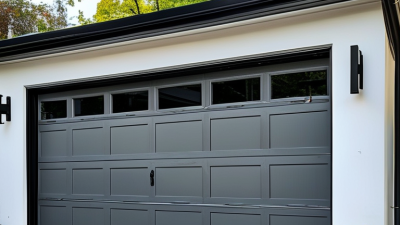
For global buyers, crafted garage doors should balance appearance, climate performance, and repair practicality. Sectional doors remain a strong choice for homes. Their insulated panels move vertically, preserving driveway space. They suit cold regions when polyurethane cores and tight perimeter seals are specified. Grand View Research reports that the global garage door market is expanding at roughly 5% annually, supported by residential construction and replacement demand.

Sectional doors move vertically, preserving driveway space. They suit cold regions when polyurethane cores and tight perimeter seals are specified.

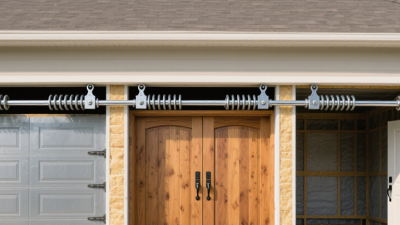
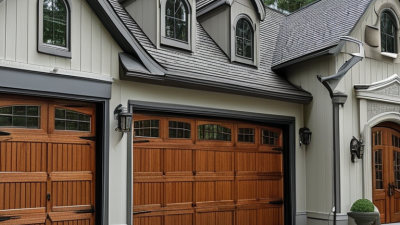
Carriage-house doors create a traditional appearance without requiring outward swing clearance. Their decorative hinges, recessed panels, and durable steel or timber finishes work well on rural and heritage-style homes.

However, timber can absorb moisture and needs regular coating, especially in coastal climates. That detail is often underestimated.

Roll-up doors are compact and useful for workshops, commercial garages, and narrow sites. They usually offer less decorative flexibility, but their simple curtain design can reduce maintenance points.

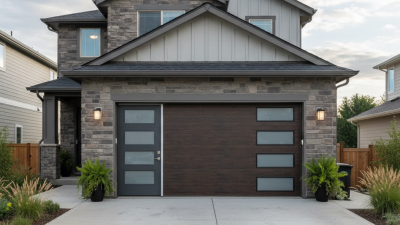
Full-view aluminum doors bring daylight into studios and showrooms. Laminated glazing improves safety, while thermal performance depends heavily on frame design.

Check the wind-load rating.

The International Energy Agency notes that buildings account for about 30% of global final energy consumption, making insulation a practical buying factor. Buyers should compare U-values, corrosion resistance, cycle ratings, and available spare parts, not only panel style.

Regional standards also differ. A door that performs well in a dry inland climate may disappoint near saltwater. I would not choose decorative hardware before confirming local installation support. That sequence can become an expensive mistake.

How to Compare Design, Performance, and Customization

For global buyers, comparing craft garage doors in 2026 requires more than attractive panel work. Design should match the building’s architecture, climate, and daily use. Sectional doors suit insulated homes, while swing-out styles favor heritage façades but need clear driveway space. Rolling designs save ceiling space, though their compact slats may limit visual depth. Look closely at panel proportions, surface texture, window placement, and hardware finish. Handcrafted details can create warmth, but uneven seams may appear under harsh light. That matters.

Performance deserves measurable questions. Ask for tested wind resistance, thermal values, cycle ratings, corrosion protection, and safety features. These figures are useful only when test methods are clearly identified. A coastal home needs different protection from one facing dry, freezing winters. Insulation reduces heat transfer, yet poor seals can waste that advantage. A practical inspection checks track alignment, spring balance, closing pressure, and unusual vibration. Small installation errors often become expensive service calls. Buyers should verify local building requirements and request written maintenance guidance from qualified installers.

Customization should solve a real need, not add decoration. Compare opening size, headroom, lift type, panel material, glazing, color stability, and replacement-part availability. Confirm whether custom dimensions affect lead time or future repairs. One overlooked issue is regional service access. A beautiful door becomes frustrating when a damaged seal takes months to replace. Request drawings, finish samples, warranty terms, and care instructions before approval. Buyers should question their first choice: will the design remain practical after five winters, wet mornings, and daily loading? That question is easy to skip.

2026 Best Types of Craft Garage Doors for Global Buyers

How to compare design, performance, and customization

This comparative benchmark uses a 1–5 scale based on common residential garage-door specifications and material characteristics. Higher scores indicate greater design flexibility, stronger thermal performance, or more customization potential. Insulated steel generally offers the best balance of performance and durability, while wood and aluminum-glass doors provide stronger architectural design options.

Global Standards, Costs, and Purchase Considerations

2026 Best Types of Craft Garage Doors for Global Buyers

Global Standards, Costs, and Purchase Considerations

Craft garage doors should be selected by climate, opening size, and local safety rules. Insulated sectional doors suit cold regions because sealed panels reduce drafts and heat loss. In hot, humid areas, corrosion-resistant hardware and ventilated designs deserve more attention. UNEP’s 2024 Global Status Report for Buildings and Construction states that buildings consume about 32% of global energy. Thermal performance is not a decoration.

Check the standard before comparing finishes. EN 13241 covers industrial, commercial, and garage doors in many European markets. North American buyers should review applicable door and opener safety requirements, including entrapment protection and emergency release functions. Wind-load documentation matters in coastal or storm-prone locations. Ask for tested U-values, air leakage data, cycle ratings, and installation instructions. A beautiful door without records is a costly guess.

Pricing changes sharply by region. A practical budget should include the door, opener, freight, customs charges, electrical work, and local installation. Heavy timber, handcrafted panels, and custom glazing can increase maintenance and shipping costs. The 2024 Cost vs. Value report shows that garage door replacement can deliver strong resale value in the United States, but that result should not be copied globally. Labor markets differ. I would request three comparable quotations and confirm warranty exclusions in writing. That small step prevents surprises.