2026 Top Contemporary Garage Door Types for Global Buyers?

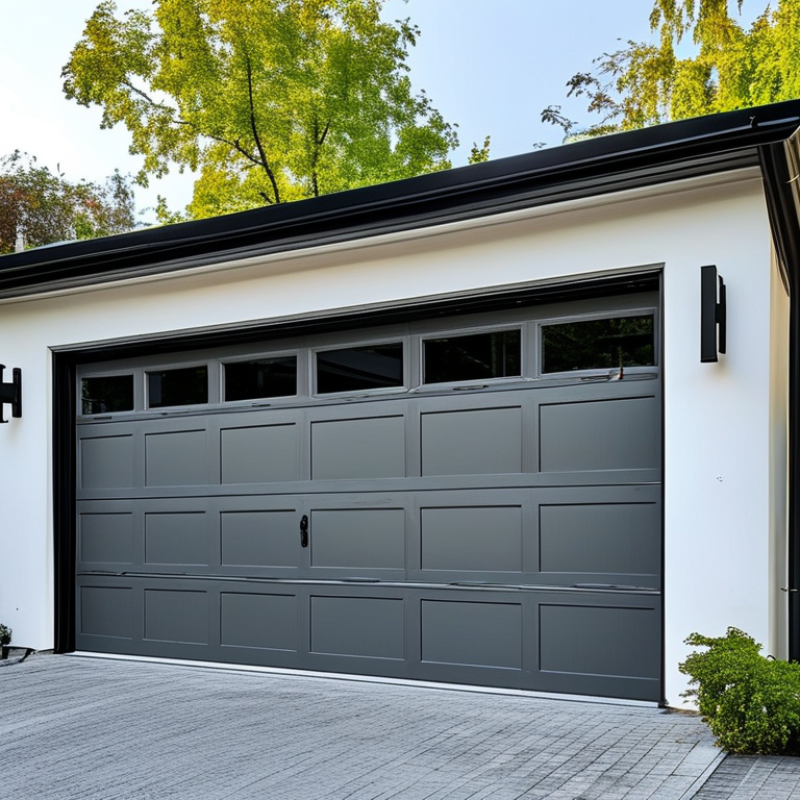
In 2026, contemporary garage doors are becoming architectural features, not simple vehicle entrances. Buyers now compare clean panel lines, glazing, insulation, automation, security, and long-term maintenance. A matte charcoal door can frame a white concrete façade. A slim aluminum model can brighten a narrow urban driveway.

Market evidence supports this shift. Grand View Research identifies renovation, smart-home adoption, and connected residential products as important garage-door market drivers. Its industry analysis also highlights stronger demand for insulated and automated systems. Zonda’s 2024 Cost vs. Value Report placed garage door replacement among the strongest exterior remodeling investments in the United States, with an exceptionally high cost-recovery rate. This figure is useful, but it is not a universal promise. Regional labor costs, climate, installation quality, and property values can change the outcome.

Safety and performance require equal attention. The U.S. Consumer Product Safety Commission emphasizes automatic reversal and entrapment protection for residential garage-door openers. European buyers may also review EN 13241 performance requirements and local installation rules. Certification must be checked, not assumed. Energy performance matters too. The U.S. Department of Energy recommends sealing air gaps around attached garages because uncontrolled leakage can affect indoor comfort.

This guide examines the 2026 top contemporary garage doors for global buyers. It compares sectional, full-view aluminum, flush-panel, glass, wood-look, and smart-enabled designs. The ranking considers appearance, weather resistance, thermal performance, security, service access, and total ownership cost. No single design wins everywhere. Coastal humidity, winter temperatures, limited headroom, and local technician availability can expose weaknesses that product brochures often hide.
2026 Top Contemporary Garage Door Types for Global Buyers?

Defining Contemporary Garage Doors for Global Residential and Commercial Use

2026 Top Contemporary Garage Door Types for Global Buyers?

Defining Contemporary Garage Doors for Global Residential and Commercial Use

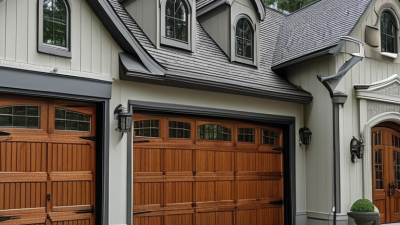
Contemporary garage doors combine clean geometry, practical insulation, and controlled daylight. For residential projects, flush steel doors suit minimalist facades and require limited visual maintenance. Full-view aluminum and glass doors create bright garages, especially beside gardens or compact urban homes. Insulated sectional doors support better indoor comfort in regions with hot summers or cold winters. Their seals, hinges, and panels should match local temperature changes.

Commercial properties need different priorities. Rolling doors save ceiling space in workshops, retail units, and service buildings. High-cycle sectional doors can support frequent deliveries when springs and operators are correctly rated. In coastal areas, corrosion-resistant finishes deserve careful attention. In windy regions, buyers should request verified wind-load data, not rely on appearance alone. Safety edges, photo sensors, emergency release systems, and clear access zones also require professional installation.

I have seen attractive doors fail because drainage and maintenance were ignored. Small design gaps matter. Buyers should compare thermal performance, water resistance, operating noise, replacement parts, and local service capacity. Documentation should identify tested dimensions and compatible control systems. Glass privacy, fire separation, and accessibility requirements may differ between countries and building types. No door type fits every market perfectly. A cheaper model can become expensive when specialist parts must travel across borders. Teams should review the opening size, climate, usage frequency, and installation conditions before selecting a contemporary design.
Key Types of Contemporary Garage Doors in 2026

Key Types of Contemporary Garage Doors in 2026

Contemporary garage doors now balance clean design, insulation, security, and daily convenience. Sectional doors remain a practical choice for many homes. Their horizontal panels move vertically, saving driveway space. Grand View Research’s 2024 market report identifies sectional doors as a leading product segment. Steel versions offer durability, while aluminum and glass create a lighter architectural look.

Full-view doors use large glass panels within aluminum frames. They suit modern homes, studios, and mixed-use properties. Tinted or frosted glass can improve privacy, but it may reduce natural light.

Flush-panel steel doors provide a quieter visual language. With polyurethane insulation, they can support better temperature control. The U.S. Department of Energy notes that insulation performance depends on the full assembly, not only the door material.

Smart garage doors are also expanding in 2026. Connected openers can provide activity alerts, remote access, and diagnostic data. Parks Associates reported strong growth in connected home device ownership across North America.

Still, smart functions do not replace strong hinges, balanced springs, and professional installation. That is easy to underestimate.

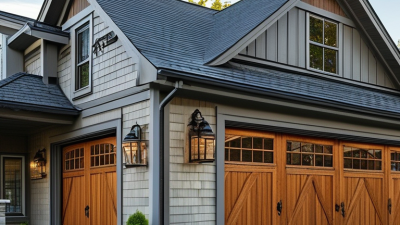
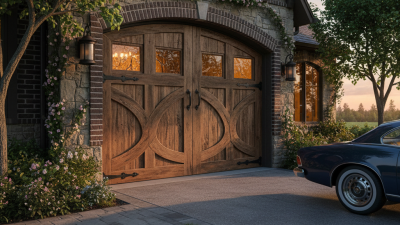
Carriage-inspired contemporary doors add decorative hardware without copying historic proportions. They look attractive, yet hardware can complicate cleaning and maintenance. Buyers should compare R-value, wind-load ratings, cycle testing, glazing safety, and local building requirements before selecting a style.

Materials, Finishes, and Design Features for Modern Properties

Contemporary garage doors now combine clean geometry with practical performance. Flush-panel sectional doors suit modern homes because they create a smooth, uninterrupted façade. Full-view aluminum and glass doors provide daylight, but they can reduce privacy and thermal efficiency. Roller doors save space beneath the ceiling. Quiet operation matters.

Steel remains a dependable choice for global buyers. It offers strength, stable sizing, and many finish options. Aluminum resists corrosion in coastal climates and supports larger glazed panels. Timber adds warmth, although it needs regular sealing in wet or sunny regions. Composite surfaces can imitate wood with less maintenance, but their appearance may vary between suppliers.

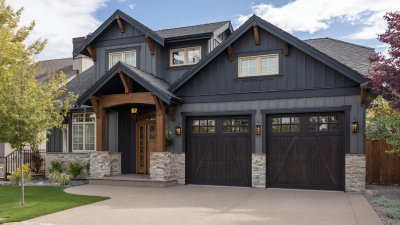
Matte black, graphite, warm grey, and muted bronze complement contemporary façades. Powder-coated finishes usually provide consistent colour and better surface protection. Woodgrain textures soften industrial designs. Insulated panels, flexible perimeter seals, and bottom weather strips improve comfort inside the garage. Check the actual insulation rating, not just the word “insulated.” Local wind exposure, humidity, fire performance, and installation standards also deserve professional review.

Smart controls can add useful access alerts and remote monitoring. Yet connectivity may fail during a power or network outage. A manual release is still sensible. I would also inspect hinges, rollers, drainage, and service access before choosing a design. A beautiful door can become frustrating when replacement parts are difficult to source. Measurements should be verified on site, because walls and floors are rarely perfectly square.

Performance, Safety, and Smart Technology Considerations

2026 Top Contemporary Garage Door Types for Global Buyers

Performance, Safety, and Smart Technology Considerations

Contemporary buyers are choosing insulated sectional, full-view aluminum-and-glass, rolling, and flush-panel doors. Insulated sectional doors suit colder climates and attached garages. The U.S. Department of Energy reports that air leakage can cause 25–40% of a home’s heating and cooling energy loss. A poorly sealed garage door can therefore affect comfort indoors. Look for continuous perimeter seals, thermal breaks, and a tested U-value. Bigger numbers are not always better, because installation gaps can undermine impressive laboratory results.

Safety should be visible, not assumed. Automatic systems need obstruction detection, emergency release access, and correctly aligned photoelectric sensors. In North America, UL 325 addresses entrapment protection for door operators. European buyers should also check conformity with EN 13241 and local installation rules. The U.S. Consumer Product Safety Commission has repeatedly highlighted garage-door-related injury risks. Small children and pets need special consideration. Glass panels also require safety glazing, especially near walking routes. I would not select a dramatic transparent design without checking impact resistance and nighttime visibility.

Smart access is becoming practical, particularly as the International Energy Agency recorded more than 17 million electric cars sold globally in 2024. A connected garage may manage vehicle access, lighting, and charging schedules. However, convenience introduces cyber risk. NIST’s Cybersecurity Framework 2.0 recommends asset identification, authentication, monitoring, and recovery planning. Use unique credentials, encrypted connections, and manual backup access. Smart features can fail. That detail is easy to forget. Avaliable local support, firmware updates, and power-loss operation may matter more than voice control.

2026 Top Contemporary Garage Door Types for Global Buyers? - Performance, Safety, and Smart Technology Considerations

Comparative guide based on commonly available door configurations and typical product characteristics. Actual performance depends on design, materials, installation quality, climate, local building codes, and certified testing.

Garage Door Type Typical Construction Space Requirement Thermal Performance Weather and Wind Performance Safety Considerations Smart Technology Potential Maintenance Profile Best Use Cases
Insulated Sectional Overhead Door Horizontally hinged steel, aluminum, or composite panels with perimeter seals; polyurethane or polystyrene insulation is commonly used. Requires ceiling tracks and some overhead clearance; minimal driveway swing space. High potential. Insulated models commonly range from approximately R-6 to R-18, depending on panel thickness and construction. Good when equipped with reinforced panels, bottom seals, and wind-rated hardware. Wind resistance must be verified against local design pressures. Pinch-resistant panel joints, photoelectric reversing sensors, automatic reverse function, emergency release, and compliant spring containment are recommended. Excellent
Compatible with monitored openers, smartphone control, position alerts, access codes, battery backup, and home-automation systems.
Moderate. Inspect rollers, hinges, cables, springs, seals, and track alignment periodically. Cold or hot climates, attached garages, energy-conscious homes, and properties requiring strong all-round performance.
Roller Shutter Garage Door Interlocking slats, usually aluminum or galvanized steel, rolling into a compact head box above the opening. Very efficient. Does not require horizontal ceiling tracks, but needs sufficient headroom for the roll and side guides. Moderate to high. Insulated slat systems can provide useful thermal and acoustic performance, but joints may reduce airtightness compared with rigid panels. Good when the slat profile, guides, and locking system are engineered for the site. Coastal areas require corrosion-resistant finishes and hardware. Safety edge, obstruction detection, automatic stop, manual override, and secure locking are important. The curtain should not be operated when obstructed. Excellent
Commonly supports remote controls, smartphone operation, timers, obstacle alerts, and emergency battery operation.
Low to moderate. Keep guides clean and check slats, seals, motor limits, and emergency release components. Garages with limited ceiling space, narrow driveways, compact urban homes, and mixed-use buildings.
Full-View Aluminum and Glass Door Aluminum frame with tempered, laminated, insulated, frosted, or polycarbonate glazing options. Uses overhead tracks similar to a sectional door; requires clear ceiling space and adequate structural support. Low to moderate in standard configurations. Thermal performance improves with insulated glass, thermal breaks, and weather-sealed framing. Good appearance and weather resistance when properly sealed; glazing and framing must be selected for local wind, impact, solar, and climate conditions. Use safety glazing, pinch protection, photoelectric sensors, controlled closing force, and secure locking hardware. Excellent
Works well with connected openers, scheduled operation, remote monitoring, access notifications, and integrated lighting.
Moderate. Clean glass and frames, inspect seals, lubricate moving hardware, and check for condensation or frame movement. Contemporary homes, showrooms, studios, restaurants, and garages where daylight and architectural appearance are priorities.
Side-Hinged Contemporary Door One or two outward-opening leaves made from steel, aluminum, timber, or composite materials, often with insulated cores. Requires clear space in front of the garage for the leaves to swing; no ceiling tracks are needed. Moderate to high with insulated leaves and continuous perimeter seals; performance depends heavily on frame and threshold detailing. Good for pedestrian-style access when fitted with robust hinges, multi-point locking, weather seals, and wind restraining hardware. Use anti-slam devices, finger-safe hinge design, secure locks, hold-open hardware, and clear opening zones. Moderate
Can use electric locks, contact sensors, smart access control, and selected automated swing mechanisms.
Low to moderate. Hinges, locks, seals, thresholds, and alignment should be checked periodically. Traditional or contemporary façades, garages without suitable ceiling clearance, frequent pedestrian access, and rural properties.
Tilt-Up Canopy Door One rigid panel pivots upward and extends partly outside the garage during opening; available in steel, aluminum, timber, or composite materials. Requires overhead clearance and substantial driveway clearance because the panel swings outward. Low to moderate unless the panel is specially insulated and fitted with effective perimeter seals. Moderate. The projecting panel and larger continuous surface require careful consideration of wind exposure and anchoring. Use anti-drop mechanisms, protected counterbalance components, pinch protection, photoelectric sensors, and a safe operating zone. Moderate
Can be motorized and connected to smart controls, although retrofit compatibility varies by mechanism.
Moderate to high. Counterbalance springs, pivot arms, hinges, tracks, and stops need regular inspection. Projects with generous driveways, budget-sensitive installations, and locations where a simple rigid-panel design is suitable.
Side-Sliding or Bi-Folding Door Insulated panels or framed leaves move horizontally along a side track or fold beside the opening. Requires a clear side wall and suitable floor or upper track space; avoids most overhead obstructions. Moderate to high when fitted with insulated panels and continuous seals; side tracks must remain accurately aligned. Good potential, provided the frame, locking points, seals, and track system are designed for local weather and wind conditions. Use anti-pinch edges, obstruction detection, secure locking, controlled motor force, and manual emergency release. Excellent
Suitable for smart motors, access permissions, remote status, safety alerts, and integration with building-management systems.
Moderate. Tracks, rollers, hinges, seals, locks, and motor settings require periodic cleaning and adjustment. Garages with limited headroom, unusual openings, flexible ventilation requirements, and design-led residential or commercial projects.
Insulated Composite or Timber-Look Door Steel or composite structural core with a wood-grain, laminate, or molded exterior finish; may use sectional or side-hinged construction. Depends on the underlying mechanism; sectional versions need overhead tracks, while hinged versions need swing clearance. Moderate to high when based on insulated sectional panels with thermally efficient seals. Good when the finish is UV-stable and the core, frame, seals, and hardware are rated for local exposure. Should include pinch-resistant joints, reversing sensors, emergency release, secure locking, and protected counterbalance components. Excellent
Smart functionality generally follows the selected opener or access-control system.
Low to moderate. Clean the finish, inspect seals and hardware, and avoid abrasive chemicals or unapproved coatings. Buyers seeking a contemporary appearance with improved insulation and lower upkeep than natural timber.

Buyer checklist: Confirm local wind-load requirements, thermal targets, corrosion exposure, opening dimensions, available headroom and side room, electrical standards, emergency-release access, safety certification, spare-parts availability, and compatibility with the preferred smart-home protocol. Smart features should never replace physical safety devices such as photoelectric sensors, obstruction detection, secure locking, and manual release.

How Global Buyers Can Compare and Select the Right Garage Door

Global buyers should compare garage doors by performance, not appearance alone. Contemporary options include sectional, roller, side-sliding, and full-panel designs. Each suits a different building condition. A narrow driveway may favor a vertical roller system. A low ceiling may require careful track planning. Side-sliding doors need clear wall space. They can also simplify internal access.

Climate changes the decision. In coastal areas, ask about corrosion-resistant hardware and drainage details. In cold regions, inspect panel insulation, seals, and thermal bridging. Strong-wind locations require verified wind-load data and secure locking points. Do not rely on a product image. Request drawings, test reports, and installation limits. Local building requirements still matter. A qualified installer should confirm opening size, headroom, floor level, and electrical access before ordering.

Compare the full ownership cost, not only the purchase price. Review motor noise, manual release, maintenance intervals, replacement-part access, and warranty terms. Ask who will provide service after installation. That question is often missed. Measure twice. Then compare three written quotations with identical specifications. I would also test the door in person, if possible. Smooth sample movement can reveal more than polished photography. My judgment can be imperfect, especially when climate data is incomplete. Recheck assumptions with local professionals before making the final selection.