2026 Best Types of Commercial Garage Doors for Buyers

Choosing the right commercial garage doors in 2026 requires more than comparing prices and appearance. A busy warehouse may need a different solution than a fire station, retail loading bay, or automotive workshop. Door construction, opening speed, insulation, security, and available headroom can affect daily operations. Small details matter. A poorly matched door may increase energy loss, noise, and repair costs.

This guide examines the leading commercial door types buyers should consider, including sectional steel doors, rolling doors, high-speed fabric doors, full-view aluminum systems, and specialty fire-rated models. Each option has practical strengths and limitations. Sectional doors often provide strong insulation and flexible customization. Rolling doors can save ceiling space. High-speed models support temperature control and frequent traffic, but their controls require careful maintenance. Full-view doors improve visibility, although glass panels may demand more cleaning and protection.

No door fits every building. That is the hard part. Buyers should review traffic frequency, vehicle height, wind exposure, security risks, climate, and service access before selecting a model. Manufacturer specifications are useful, but site measurements and installation experience matter more than a polished brochure. In some projects, a lower purchase price may hide expensive maintenance later. This article offers a practical comparison for informed decisions, while recognizing that local conditions can change the final recommendation. A qualified installer should verify structural support, safety features, and long-term operating needs before purchase.

2026 Best Types of Commercial Garage Doors for Buyers

Commercial Garage Doors: Purpose, Structure, and Main Categories

2026 Best Types of Commercial Garage Doors for Buyers

Commercial garage doors control vehicle movement, security, weather exposure, and daily operating costs. They are not simply oversized residential doors. A complete system includes panels or slats, tracks, springs, counterbalance parts, operators, sensors, seals, and safety controls.

The U.S. Energy Information Administration’s 2018 Commercial Buildings Energy Consumption Survey recorded about 6.2 million commercial buildings and 97.1 billion square feet of floor space. That scale makes door performance a practical facility concern. Sectional steel doors suit warehouses and service bays because they provide insulation and flexible panel replacement. Rolling steel doors save ceiling space and resist frequent impacts. High-speed fabric doors support busy loading areas, while full-vision doors improve visibility in showrooms and emergency-service facilities. Fire-rated assemblies serve specific openings, but they require correct installation and inspection.

Buyers should match the door to traffic volume, opening size, climate, and impact risk. DASMA technical guidance emphasizes proper balancing, operator compatibility, and routine safety testing. These details affect downtime more than appearance. A poorly sealed sectional door can allow drafts around the bottom edge. A fast door can still fail when its sensors are ignored. Small mistakes matter.

Field contractors often inspect tracks, springs, photo eyes, and bottom seals before recommending replacement. That approach feels slower, but it exposes hidden costs. The cheapest door may become the most expensive pause. My own assessment would remain cautious: published market forecasts vary, so buyers should verify local service capacity, warranty terms, and measured operating conditions before choosing a category.
Sectional Overhead Doors for Flexible Commercial Operations

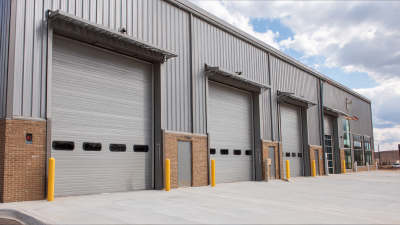
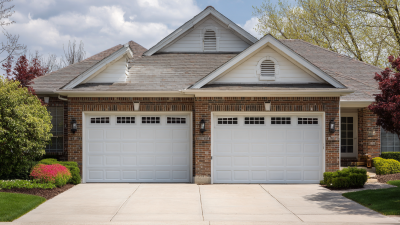
For 2026 buyers, sectional overhead doors suit commercial sites that need adaptable daily operations. Their panels travel vertically, leaving the doorway clear for forklifts, vans, and loading equipment. A warehouse with a 12-foot opening may need faster access, stronger tracks, and reinforced panels. A temperature-controlled room may need insulated sections and continuous perimeter seals.

The International Energy Agency’s Energy Efficiency 2023 report estimates that buildings consume about 30% of global final energy. The U.S. Department of Energy also reports that commercial buildings use roughly 18% of national energy. These figures make air leakage worth examining, especially around busy loading bays. Still, energy savings are not automatic. A damaged bottom seal can waste performance every day. Small gaps matter.

Cycle ratings deserve careful attention. A low-traffic storage building may not need the same rating as a distribution center operating continuously. Door height, panel weight, spring design, and maintenance access should match the workflow. Industry guidance from the Door and Access Systems Manufacturers Association emphasizes proper installation, inspection, and component compatibility. Buyers should request documented cycle ratings and service intervals.

The practical detail is often overlooked. Leave space for tracks, lighting, sprinklers, and vehicle clearance. Consider vision panels where pedestrians and forklifts share movement zones. No door solves every workflow. I would question any specification that promises maximum speed, insulation, security, and low cost together. Trade-offs remain. Get them documented before purchase.

Rolling Steel Doors for Security and Space Efficiency

Rolling steel doors remain a practical choice for commercial facilities that need strong security without sacrificing valuable floor space. Their curtain coils above the opening, leaving aisles, loading zones, and storage areas clear. The U.S. Energy Information Administration’s 2018 Commercial Buildings Energy Consumption Survey, published in 2022, counted 5.9 million commercial buildings across the United States. In crowded facilities, every usable square foot matters.

Security depends on more than steel thickness. Buyers should examine curtain profiles, guides, bottom bars, locking arrangements, and resistance to repeated daily impacts. The Door and Access Systems Manufacturers’ Association provides technical guidance on proper installation, clearances, and operational safety. A well-fitted door should close evenly, reduce rattling, and withstand frequent vehicle or equipment traffic. Small gaps still matter.

Fire-rated rolling doors require closer attention. NFPA 80 requires periodic inspection and testing of fire door assemblies, generally at least annually. Records should identify failures, repairs, and test dates. Facility managers often overlook this paperwork. That is a mistake. A door may look solid while its guides, springs, or release mechanism quietly deteriorate. Buyers should also check cycle ratings, maintenance access, wind exposure, and available headroom. Space savings can disappoint if the roll-up barrel blocks lighting, sprinklers, or overhead services. Measure twice. Then question the first quote.

2026 Best Types of Commercial Garage Doors for Buyers - Rolling Steel Doors for Security and Space Efficiency

Door Type Typical Security Level Space Efficiency Thermal Performance Typical Opening Speed Common Applications Main Advantages Important Considerations
Service Rolling Steel Door High; interlocking steel slats provide a solid barrier when closed. Excellent; the curtain coils above the opening and requires limited ceiling clearance. Low to moderate, depending on slat profile and weather seals. Usually about 15–30 seconds for a standard motorized cycle. Warehouses, loading areas, workshops, parking structures, and service bays. Strong security, compact installation footprint, durable steel construction, and relatively simple maintenance. Not the best choice where frequent rapid cycling or high insulation values are required.
Insulated Rolling Steel Door High; insulated steel slats maintain a rigid closed curtain. Very good; the overhead coil preserves valuable wall and floor space. Moderate to high; insulation and perimeter seals reduce heat transfer and drafts. Generally about 15–30 seconds, depending on size and operator. Climate-controlled warehouses, food-service areas, distribution facilities, and workshops. Improves energy control, reduces air leakage, and combines security with better interior comfort. Higher purchase cost and a larger coil diameter than many non-insulated curtains.
Fire-Rated Rolling Steel Door High when correctly specified, installed, and maintained as a tested fire-door assembly. Excellent; the curtain stores above the opening without swing-out clearance. Not primarily an insulation product; its main function is fire-resistance and compartmentation. Normal operation varies; fire activation is designed to close automatically under specified conditions. Fire barriers, industrial buildings, commercial kitchens, storage areas, and service corridors. Helps limit the spread of fire and smoke when used within a compliant building design. Required ratings, labels, release systems, inspection intervals, and installation rules vary by jurisdiction.
High-Performance Rolling Door High; reinforced curtains and controlled operation support frequent commercial use. Excellent; the compact overhead roll minimizes interference with vehicles and equipment. Moderate to high, depending on the curtain, guides, and sealing system. Often about 30–60 seconds per cycle, although actual speed is model- and size-dependent. Busy logistics centers, manufacturing plants, parking facilities, and high-traffic service areas. Supports frequent cycling, improves workflow, and can reduce time that conditioned air escapes. Higher initial cost; controls, safety devices, and scheduled servicing are especially important.
Rolling Security Grille Moderate to high; provides a visible physical barrier while allowing airflow and visibility. Excellent; the grille rolls into a compact overhead housing. Low; open grille construction offers little protection from heat transfer or drafts. Usually about 10–20 seconds for a standard opening. Retail storefronts, parking garages, interior partitions, and secure display areas. Maintains visibility, ventilation, daylight, and pedestrian awareness while closed. Does not provide the weather protection or privacy of a solid rolling-steel curtain.
Counter Rolling Shutter Moderate to high for small openings; protection depends on the slat material and locking method. Excellent; designed for service counters, kiosks, and transaction windows. Low to moderate, depending on the curtain and side seals. Often about 8–15 seconds for a small powered or manually assisted unit. Cafeterias, pharmacies, ticket windows, reception counters, and concession areas. Compact, practical, and suitable for securing small commercial openings after business hours. Limited to smaller openings and generally unsuitable for vehicle access points.
Perforated Rolling Steel Door Moderate to high; perforations provide deterrence but less complete privacy than solid slats. Excellent; the curtain coils above the opening. Low; perforations allow airflow and visibility rather than thermal separation. Typically about 10–25 seconds, depending on opening size and operator. Retail, parking areas, equipment rooms, and locations requiring security with ventilation. Balances security, airflow, visibility, and efficient use of overhead space. Offers less protection against wind, weather, smoke, and unauthorized visual access than a solid curtain.

Note: Opening speeds, security performance, wind resistance, fire ratings, insulation values, and clearances vary by door size, construction, operating system, installation conditions, and local building requirements. Confirm final specifications with the project designer and the applicable code authority.

High-Speed Doors for Traffic Control and Energy Savings

2026 Best Types of Commercial Garage Doors for Buyers

High-speed doors suit facilities where vehicles, forklifts, and people cross openings repeatedly. They open and close in seconds, reducing exposed doorway time. This matters in warehouses, loading docks, parking structures, and temperature-controlled rooms. The U.S. Department of Energy identifies uncontrolled air leakage as a major building-efficiency concern, especially where conditioned air escapes through frequently used openings.

Traffic flow improves, too. A clear sightline, responsive sensors, and adjustable opening speeds can reduce waiting near busy docks. The GlobalABC 2023 Global Status Report states that buildings consume about 30% of global final energy. Small operational losses deserve attention. They accumulate.

Energy savings are not automatic. Door speed, sealing quality, wind exposure, and traffic patterns must match the site. A cold-storage operator may prioritize insulated panels and tight bottom seals. A distribution center may value rapid cycles and impact recovery. A parking facility may need visibility, ventilation coordination, and dependable safety detection. DASMA technical guidance emphasizes selecting door performance around duty cycle, environment, and maintenance conditions.

The calculation is rarely perfect. A fast door still wastes energy when sensors misread vehicles or seals remain damaged. Facility teams should record cycle counts, indoor temperatures, and repair frequency before buying. They should also request independently documented air-infiltration and cycle-life testing, not vague efficiency claims. Regular inspection remains essential. High-speed is useful, not magic.

Fire-Rated and Specialized Doors for Regulated Facilities

In 2026, commercial garage door buyers should treat fire-rated systems as life-safety equipment, not ordinary access doors. A certified assembly must match the surrounding wall, opening size, hardware, and required fire rating. Check the certification label carefully. It should identify the rating, testing standard, and permitted installation conditions.

Regulated facilities often need more than fire resistance. Hospitals may require smooth, cleanable surfaces and controlled closing speeds. Laboratories can need smoke seals, interlocks, and limited air movement. Utility buildings may prioritize heat protection, emergency release, and dependable operation during power loss. Cold-storage areas require insulated panels, tight seals, and hardware that tolerates condensation. Every detail matters.

A practical assessment should include the doorway, tracks, sensors, closing device, and nearby equipment. Test the door under realistic conditions. Watch for floor gaps, damaged seals, delayed closure, or blocked travel paths. Small defects become serious during an emergency. Maintenance records also support inspections and accountability. I have seen projects focus heavily on the door panel while ignoring the surrounding wall. That approach is incomplete. Fire-rated performance depends on the entire opening system. Requirements can vary by facility and jurisdiction, so buyers should confirm final specifications with qualified fire-protection professionals and local authorities.